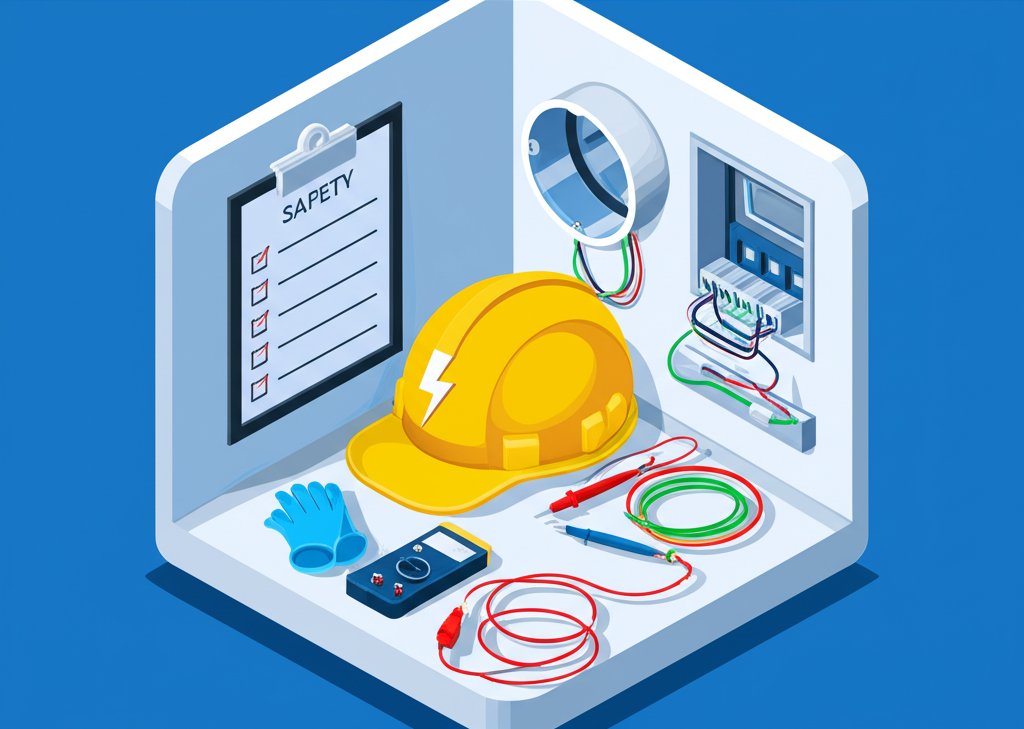
When an electrical issue sparks in your Whitney home or business, it's more than an inconvenience – it's a potential hazard. From flickering lights to non-functional outlets, a malfunctioning electrical system demands immediate, expert attention. But how do you confidently choose the Best Electrician in Whitney when safety, code compliance, and your peace of mind are on the line?
This isn't just about finding someone to patch a wire; it's about safeguarding your property and loved ones. A professional, trustworthy electrician ensures the job is done right the first time, preventing dangerous electrical fires, costly repairs down the road, and the stress of a non-compliant system. Navigating the choices can feel daunting, but with the right knowledge, you'll empower yourself to make the smartest hiring decision.
At a Glance: Your Quick Guide to Hiring an Electrician in Whitney
- Prioritize Safety First: Electrical work is inherently dangerous; always opt for a licensed professional.
- Verify Credentials: Confirm licenses, insurance (liability and worker's comp), and any certifications.
- Seek Local Experience: Look for electricians familiar with Whitney's specific codes and common issues.
- Get Multiple Estimates: Always request detailed, written quotes from at least three different professionals.
- Check Online Reviews: Leverage platforms like Google, Yelp, and Angi to gauge customer satisfaction.
- Ask for References: A reputable electrician will gladly provide contact information for past clients.
- Clarify Warranties: Understand what guarantees come with their work and parts.
- Don't DIY Complex Jobs: Leave anything beyond simple fixture changes to the pros.
Why Professional Electrical Work Isn't Just "Nice to Have" – It's Essential
Electrical systems are the backbone of modern living, yet they're often taken for granted until something goes wrong. When it does, the temptation to save a few dollars with a DIY fix or an unlicensed "handyman" can be strong. Resist that urge. Here's why entrusting your electrical needs to a certified professional in Whitney is non-negotiable:
- Safety Above All Else: This is the paramount concern. Improper electrical work is a leading cause of home fires, electrocution, and serious injury. Professional electricians undergo years of rigorous training to understand complex wiring, circuit loads, and safety protocols. They know how to work safely and effectively, protecting themselves, your family, and your property.
- Code Compliance: Electrical codes (like the National Electrical Code, adopted locally) are incredibly complex and frequently updated. A licensed Whitney electrician is intimately familiar with these regulations, ensuring all work meets the necessary safety and performance standards. Non-compliant work can lead to failed inspections, insurance claim issues, and hefty fines.
- Long-Term Reliability: A job done correctly by a professional lasts. They use appropriate materials, follow best practices, and anticipate potential issues, saving you from recurring problems and expensive fixes in the future.
- Insurance & Liability Protection: A licensed and insured electrician provides a crucial layer of protection. If an accident occurs on the job, or if their work causes damage, their liability insurance protects you from financial responsibility. An unlicensed worker offers no such safeguard.
- Diagnostic Expertise: Electrical problems can be elusive. Is it a faulty breaker, an overloaded circuit, or something more serious hidden within the walls? Professionals have the specialized tools and diagnostic skills to pinpoint the root cause quickly and accurately, avoiding guesswork that can lead to more damage.
Think of your home's electrical system like its nervous system. You wouldn't trust a critical medical procedure to an amateur; treat your electrical system with the same respect.
Decoding "Best": What Really Defines a Top Whitney Electrician?
The term "best" is subjective, but when it comes to electricians, we can define it with objective criteria. A truly excellent electrician combines technical prowess with integrity, professionalism, and a genuine commitment to customer satisfaction. Here’s what to look for beyond just a flashy advertisement:
Beyond the Basics: Skills That Matter
- Deep System Knowledge: They don't just fix symptoms; they understand the entire electrical ecosystem of your home or business, from the service panel to every outlet and switch.
- Problem-Solving Acumen: Electrical issues are often puzzles. The best electricians are analytical thinkers who can quickly diagnose complex, intermittent, or unusual problems.
- Attention to Detail: Sloppy wiring can lead to dangerous situations. A top professional ensures every connection is secure, every wire is properly insulated, and all work is meticulously organized.
- Up-to-Date Training: The electrical field is constantly evolving with new technologies (like smart home systems, EV chargers, and solar integration) and updated codes. A "best" electrician invests in ongoing education.
- Clear Communication: They explain problems and solutions in plain language, not technical jargon, ensuring you understand the work being proposed.
The Intangibles: Trust and Professionalism
- Honesty and Transparency: They provide clear, upfront estimates and communicate any changes or unexpected issues promptly. No hidden fees or surprise charges.
- Reliability: They show up on time, complete work within agreed-upon timelines, and clean up thoroughly afterward.
- Customer Service: From the initial call to post-service follow-up, they treat you with respect and address your concerns patiently.
- Reputation: What do others say? A strong reputation built on positive reviews and word-of-mouth referrals is invaluable.
By focusing on these qualities, you're not just finding an electrician; you're identifying a trusted partner for your Whitney electrical needs.
The Vetting Process: Your Step-by-Step Guide to Hiring with Confidence
Finding a great electrician in Whitney doesn't have to be a shot in the dark. By following a structured vetting process, you can confidently narrow down your options and make an informed decision.
Step 1: Building Your List of Candidates
Start by gathering names. You have several reliable avenues:
- Online Search: Google "electrician Whitney TX," "electrical repair Whitney," or "licensed electrician Whitney." Reputable contractors often have well-maintained websites detailing their services, expertise, and contact information.
- Local Directories & Review Sites: Check platforms like Yelp, Angi (formerly Angie's List), HomeAdvisor, or even local Whitney community social media groups. These sites often include customer reviews and ratings, which are incredibly helpful.
- Referrals: Ask friends, family, neighbors, or colleagues in Whitney for recommendations. Personal referrals often lead to trustworthy professionals who have already proven their worth.
- Local Hardware Stores: Sometimes, the staff at local hardware stores can offer insights into reliable local contractors.
Aim for a list of at least 3-5 potential electricians to ensure you have options for comparison.
Step 2: Checking the Non-Negotiables – License and Insurance
This is perhaps the most critical step. Never consider an electrician who isn't properly licensed and insured.
- Licensing: Electrical licenses ensure that a professional has met specific training, experience, and examination requirements set by the state or local municipality. In Texas, electricians are licensed by the Texas Department of Licensing and Regulation (TDLR). You can verify an electrician's license status, including any disciplinary actions, directly on the TDLR website (www.tdlr.texas.gov). Don't just ask if they're licensed; verify it yourself using their license number.
- Insurance:
- General Liability Insurance: This protects you in case the electrician accidentally damages your property while working. Ensure they carry sufficient coverage.
- Worker's Compensation Insurance: If the electrician has employees, worker's comp covers medical expenses and lost wages should an employee get injured on your property. Without it, you could potentially be liable.
- Ask for current Certificates of Insurance (COI) directly from their insurance provider, not just a verbal assurance.
Any reputable electrician will be happy to provide proof of their licensing and insurance. If they hesitate or can't provide verifiable documentation, move on.
Step 3: Evaluate Experience and Specialization
Not all electricians are created equal. Some specialize in residential work, others in commercial, and some in very specific areas.
- Residential vs. Commercial: If you're a homeowner, look for electricians with a strong track record in residential electrical services. Commercial electricians might have different expertise and pricing structures.
- Specific Services: Do you need a panel upgrade, new lighting installation, or troubleshooting for a persistent wiring issue? Confirm the electrician has specific experience with the type of work you need done. For instance, if you're installing an electric vehicle charger, ensure they have experience with EV charger installations and the necessary load calculations.
- Years in Business: While new businesses can be excellent, a company with several years of operation often signifies stability, a proven track record, and established processes.
Step 4: Delving into Reviews and References
Online reviews offer a window into other customers' experiences, while references provide direct testimonials.
- Online Reviews: Read reviews on Google, Yelp, and other platforms. Look for patterns: do multiple reviews mention punctuality, clear communication, quality work, or responsiveness? Be wary of companies with exclusively five-star reviews (sometimes indicative of fake reviews) or an overwhelming number of negative ones. Pay attention to how the company responds to negative feedback – a professional response can be a good sign.
- References: Ask for 2-3 references from recent clients who had similar work done. When you call them, ask specific questions:
- "Were they punctual and reliable?"
- "Was the work completed within the estimated timeframe and budget?"
- "Did they communicate clearly about the project?"
- "Were there any unexpected issues, and how were they handled?"
- "Was the worksite left clean?"
- "Would you hire them again?"
Step 5: Getting Detailed Estimates (And Why "Free Estimates" Are a Plus)
Once you've shortlisted a few qualified candidates, it's time to get estimates. Many electricians offer free estimates for new installations or wiring repairs, which is a great benefit.
- Request Multiple Bids: Contact at least three different electricians for estimates. This allows you to compare pricing, proposed solutions, and professionalism.
- In-Person Consultation: For anything beyond very minor repairs, insist on an in-person visit. The electrician needs to see the scope of work firsthand to provide an accurate estimate. Be wary of quotes given sight-unseen for complex jobs.
- Get it in Writing: Every estimate should be detailed and in writing. It should clearly outline:
- The scope of work (what will be done).
- Materials to be used (specific brands/models if relevant).
- Labor costs.
- Projected timeline.
- Payment schedule.
- Any warranties or guarantees.
- What is not included (to avoid assumptions).
- Beware of Low-Ball Bids: A significantly lower bid than others might indicate corner-cutting, inexperienced labor, or an attempt to add hidden costs later. While price is a factor, prioritizing the lowest cost over quality and safety is a false economy in electrical work.
- Ask for an Itemized Breakdown: This helps you understand where your money is going and compare bids more easily.
Step 6: Asking the Right Questions Before You Commit
Before signing a contract, have a final conversation with your top choice. Here are crucial questions:
- "What is your license number, and can I verify it?" (Even if you already did, it shows you're thorough.)
- "Are you insured, and can you provide certificates of insurance?"
- "Who will be performing the work – you, an apprentice, or another licensed electrician?"
- "How long do you expect the job to take?"
- "What are your payment terms and schedule?"
- "Do you offer a warranty on your work and the materials you install?"
- "What happens if there's an unforeseen issue once you start the job?"
- "How do you handle cleanup after the project is complete?"
- "Will you obtain any necessary permits for this work?" (For major electrical changes, permits are often required.)
A professional will answer these questions clearly and patiently.
Common Electrical Services Whitney Homeowners Might Need
Electricians offer a wide range of services, catering to everything from urgent repairs to modern upgrades. Understanding these can help you articulate your needs better.
- Electrical Panel Upgrades: If your Whitney home is older, your electrical panel might not handle the demands of modern appliances and electronics. Upgrades increase capacity, improve safety, and are often necessary for major renovations or new appliance installations.
- Lighting Installation & Repair: This includes everything from installing recessed lighting and ceiling fans to outdoor security lights and elegant chandeliers. They also troubleshoot flickering lights or non-functional fixtures.
- EV Charger Installation: With the rise of electric vehicles, many homeowners need dedicated EV charging stations installed safely and efficiently in their garages or driveways.
- Wiring and Rewiring: Whether it's replacing outdated knob-and-tube or aluminum wiring, adding new circuits, or completely rewiring a renovation project, this is a critical service.
- Outlet & Switch Repair/Installation: From repairing faulty outlets to installing GFCI (Ground Fault Circuit Interrupter) outlets in bathrooms and kitchens for safety, or smart switches for home automation.
- Troubleshooting Electrical Issues: Diagnosing the cause of tripped breakers, power surges, unexplained power outages, or intermittent electrical problems.
- Smoke & Carbon Monoxide Detector Installation: Ensuring these life-saving devices are correctly installed and wired into your home's electrical system.
- Whole-Home Surge Protection: Protecting all your valuable electronics and appliances from power surges, which can originate from lightning strikes or utility fluctuations.
- Generator Installation: Installing standby generators to provide backup power during outages, ensuring your home remains operational.
- Solar Panel and Battery Storage Integration: For those looking to reduce electricity costs and enhance energy independence, electricians can integrate solar panels and battery storage systems, helping to manage power usage, mitigate power surges, and provide backup during outages. They ensure these complex systems are safely connected to your home's grid.
Understanding Costs and Avoiding Surprises
The cost of electrical work varies widely based on the complexity of the job, the materials required, the electrician's experience, and your geographic location within Whitney. Here's how to approach pricing:
- Pricing Models:
- Hourly Rate: Often used for troubleshooting or smaller repair jobs where the exact scope isn't immediately clear. Ask about minimum charges.
- Flat Rate/Project-Based: Common for installations or well-defined projects (e.g., "install a new ceiling fan for X amount"). This offers more predictability.
- Factors Influencing Cost:
- Labor: A significant portion of the cost. More experienced electricians, naturally, command higher rates.
- Materials: Quality parts cost more, but they offer greater safety and longevity. Don't skimp here.
- Scope of Work: A simple outlet replacement is far less expensive than a full home rewire or a panel upgrade.
- Emergency vs. Scheduled: Emergency calls outside of regular business hours will almost always incur higher fees.
- Permits: For major work, permit fees will be added to the overall cost.
- Accessibility: If the electrician needs to cut into walls or work in difficult-to-reach spaces, labor costs will increase.
- Avoiding Hidden Fees: This is where that detailed written estimate becomes your best friend. Ensure it specifies:
- Trip Fees: Some companies charge a fee just to come to your property, even if you don't proceed with the work. Ask upfront.
- Material Markups: While electricians typically mark up materials, the estimate should reflect a reasonable cost.
- Change Order Process: What happens if the scope of work changes? Any additional work should require your written approval and a revised estimate.
Remember, a higher price often reflects a higher level of experience, better quality materials, and comprehensive insurance – all investments in your safety and the longevity of the work.
Safety First: What a Professional Electrician Guarantees
When you hire a licensed electrician in Whitney, you're not just paying for a service; you're investing in peace of mind. They bring a commitment to safety that an amateur cannot:
- Proper Tools and Equipment: They arrive with specialized, calibrated tools designed for electrical work, reducing the risk of error and injury.
- Adherence to Safety Protocols: From locking out circuits to wearing appropriate PPE (Personal Protective Equipment), they follow strict safety guidelines to protect themselves and your property.
- Code Compliance: As discussed, ensuring all work meets national and local electrical codes is fundamental to safety. These codes are designed to prevent fires, shocks, and other electrical hazards.
- Hazard Identification: They can spot potential dangers that might be invisible to the untrained eye, such as overloaded circuits, faulty grounding, or outdated wiring, and address them proactively.
- Inspected Work: For permitted jobs, their work will be inspected by a city or county inspector, providing an additional layer of assurance that the work meets safety standards.
Choosing a professional is choosing safety, plain and simple.
When NOT to DIY Electrical Work (and Why)
While some minor home repairs are perfectly suitable for a do-it-yourselfer, electrical work is generally not one of them. Here's why you should call a pro:
- Risk of Electrocution or Fire: Even seemingly simple tasks can have deadly consequences if you make a mistake. You could injure yourself, or create a fire hazard that manifests weeks or months later.
- Complex Wiring & Circuits: Modern electrical systems are intricate. Understanding circuit loads, proper grounding, and the interaction of various components requires specialized knowledge.
- Code Violations: Unless you're an expert in the National Electrical Code and local Whitney ordinances, you're highly likely to make mistakes that violate safety codes. This can lead to issues with insurance, resale, or future inspections.
- Costly Mistakes: A DIY error could damage expensive appliances, other parts of your electrical system, or even your home's structure, turning a small project into a massive repair bill.
- Voided Insurance: Many home insurance policies may deny claims for damages caused by unpermitted or unprofessionally installed electrical work.
What can you DIY? Very basic tasks like changing a light bulb, resetting a tripped circuit breaker, or plugging in an appliance are generally safe. Anything involving opening electrical panels, cutting or splicing wires, replacing outlets, or installing new fixtures should be left to a licensed professional.
After You Hire: What to Expect During the Job
Once you've chosen your Whitney electrician and scheduled the work, here's what you can generally expect:
- Preparation: The electrician should arrive on time, prepared with the necessary tools and materials. They should take steps to protect your home, such as laying down drop cloths if needed.
- Communication: They should clearly explain what they're doing, especially if any unexpected issues arise. You should be kept informed of progress and any potential delays.
- Safety First: Expect them to follow strict safety protocols, including turning off power to relevant circuits, using proper safety gear, and clearly marking any areas under active work.
- Efficiency and Professionalism: The work should proceed efficiently and with minimal disruption. They should be courteous and respectful of your home.
- Cleanup: A good electrician will clean up their workspace thoroughly, removing debris, old wires, and packaging materials.
Don't hesitate to ask questions during the process if you're unsure about something. Open communication ensures a smooth project.
Navigating Warranties and Guarantees
A reputable electrician stands behind their work. Always inquire about warranties and guarantees before the project begins.
- Workmanship Warranty: Most good electricians offer a warranty on their labor, typically for one year, guaranteeing that the installation or repair was done correctly. If an issue arises directly from their work within this period, they will fix it at no additional cost.
- Manufacturer's Warranty: The materials and fixtures they install will come with their own manufacturer's warranties. Ensure you receive documentation for these items.
- Clarity is Key: Understand what the warranty covers (e.g., labor, parts), how long it lasts, and what process to follow if you need to make a claim. Get this information in writing as part of your contract.
A strong warranty is a sign of confidence in their skills and a commitment to customer satisfaction.
Your Next Step: Power Up Your Peace of Mind
Finding the Best Electrician in Whitney isn't about luck; it's about making an informed, confident decision. By prioritizing safety, diligently vetting credentials, comparing detailed estimates, and looking for a strong track record of professionalism and customer service, you'll secure an electrician who not only gets the job done but also ensures your home or business is safer and more efficient.
Don't wait for an emergency. Start building your list of trusted Whitney electricians today, and empower yourself with the knowledge to make the right call when you need it most. Your safety and your home's electrical health depend on it.