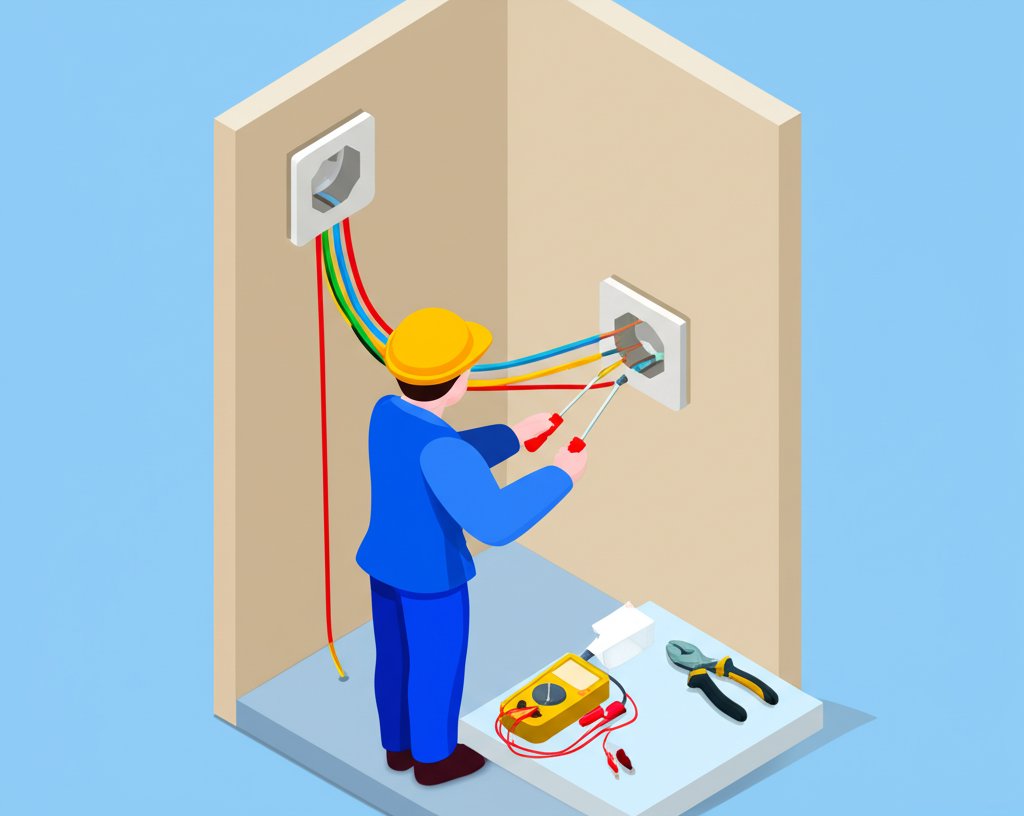
A flickering light, a stubborn breaker, or the dream of a new smart home setup – electrical issues and upgrades are part of homeownership. But when it comes to the intricate, often hazardous world of electricity, going it alone isn't just risky, it's downright dangerous. You need a trusted professional, the Best Electrician in Tinley Park who understands local codes, prioritizes safety, and delivers reliable results. Finding that expert can feel like a daunting task, but it doesn't have to be.
This comprehensive guide will walk you through everything you need to know, from understanding why a professional is non-negotiable to the exact steps for vetting and hiring the perfect fit for your project, ensuring your Tinley Park home is safe and powered efficiently.
At a Glance: Your Quick Guide to Hiring an Electrician
- Safety First: DIY electrical work is extremely dangerous. Always hire a licensed professional.
- Start Online: Use platforms like Thumbtack, Yelp, and Google to find local electricians and read reviews.
- Verify Credentials: Always check for proper licensing with the state or local government.
- Get Free Estimates: Most reputable electricians offer no-cost quotes for your project.
- Ask Key Questions: Inquire about experience, insurance, warranties, and communication practices.
- Don't Go for Cheapest: Prioritize qualifications and safety over the lowest price.
- Documentation is Key: Get everything in writing—estimates, contracts, and warranties.
Why Trusting a Professional Electrician is Non-Negotiable
Let's get straight to it: electrical work isn't like painting a room or fixing a leaky faucet. It's complex, carries significant risks, and if done incorrectly, can lead to severe injury, fire, or costly damage to your home. This isn't scaremongering; it's a critical safety warning backed by experts.
Professionals spend years honing their craft, undergoing rigorous training, and passing demanding exams to become licensed and certified. This extensive knowledge and practical experience mean they understand electrical systems inside and out—the intricate wiring, the load calculations, the safety protocols, and the ever-evolving building codes. According to industry experts, even a seemingly small wiring repair can be unsafe if not executed precisely. Hiring someone with specialized training ensures the job is done correctly, safely, and in compliance with all regulations, protecting both your property and your loved ones.
Think of it this way: when your car needs a major engine repair, you take it to a certified mechanic, not your neighbor who watched a few YouTube videos. Your home's electrical system is arguably more critical and potentially more dangerous than your car's engine. Investing in a professional electrician isn't just a convenience; it's an essential investment in safety and peace of mind.
Decoding the Search: How to Find the Best Electrician in Tinley Park
The good news is that Tinley Park, IL, has a robust community of skilled electricians. The challenge is sifting through the options to find the one that perfectly matches your needs. Here’s a structured approach to make your search effective and stress-free:
Starting Your Online Hunt: Where to Look First
Your journey should begin where most modern searches do: online. Dedicated platforms designed to connect homeowners with local service providers are invaluable.
- Specialized Directories (e.g., Thumbtack): Websites like Thumbtack allow you to input your specific electrical need (e.g., "new wiring," "outlet repair") and location (Tinley Park, IL). They then provide a list of local professionals, often with profiles detailing their services, experience, and customer reviews. This is an excellent starting point for discovering qualified pros.
- Review Platforms (e.g., Yelp, Google Reviews): Yelp and Google are fantastic for uncovering what real customers in Tinley Park think about local electricians. Pay close attention to both positive feedback and any recurring issues mentioned in negative reviews. Look for patterns: are multiple people praising their punctuality or criticizing their cleanup?
- Local Business Listings: A simple Google search for "electrician Tinley Park IL" will yield local businesses. Many of these will have their own websites, showcasing their services, team, and potentially a portfolio of past work.
As you explore, begin to compile a shortlist of 3-5 electricians who appear promising. Don't worry about making a final decision yet; this initial phase is about gathering potential candidates.
Sifting Through Profiles and Reviews: What to Look For
Once you have a list, it’s time to dig deeper into each candidate. A professional's online presence, particularly their customer reviews, offers a window into their reliability and quality of work.
- Detailed Service Offerings: Does their profile clearly state the types of electrical work they specialize in? If you need a panel upgrade, ensure they explicitly mention this service. Some electricians focus solely on new construction, while others excel at residential repairs and upgrades.
- Experience Level: While new businesses can be excellent, an electrician with a proven track record often brings invaluable experience to complex jobs. Look for indicators of how long they've been serving the Tinley Park area.
- Read Between the Lines of Reviews: Don't just skim the star ratings. Read the actual comments.
- Punctuality and Communication: Did the electrician show up on time? Were they good at explaining the problem and solution? Clear communication is crucial, especially when dealing with technical issues.
- Professionalism and Cleanliness: Did they respect the homeowner's property? Was the work area left clean? These details reflect a professional approach.
- Problem Resolution: Even the best pros can encounter unexpected challenges. How did they handle them? Did they go above and beyond to ensure customer satisfaction?
- Red Flags: Watch out for consistent complaints about missed appointments, unexplained charges, or poor workmanship. A single negative review might be an anomaly, but a pattern suggests a systemic issue.
The License Check: Your Non-Negotiable Step
This is perhaps the most critical part of your vetting process. Never hire an unlicensed electrician. Licensing ensures that the individual has met the state's minimum standards for competence and safety. It protects you from shoddy work, potential hazards, and liability issues.
- How to Verify an Electrician's License in Illinois:
- Illinois Department of Financial and Professional Regulation (IDFPR): This is the primary authority for professional licensing in Illinois. You can usually find a license verification tool on their website. You'll likely need the electrician's name or license number.
- Local Municipality (Tinley Park): Some towns or counties may also require local registration or permits in addition to state licensing. It's wise to check the Village of Tinley Park's website for specific local requirements.
- Ask Directly: Don't hesitate to ask the electrician for their license number upfront. A reputable professional will be happy to provide it. If they hedge or refuse, consider it a major red flag.
An electrician's profile on a platform like Thumbtack might display their license information, but it's always best practice to double-check directly with the licensing authority. This extra step ensures you're hiring a legitimate, qualified professional.
Beyond the Basics: What to Ask Before You Hire
Once you have a few licensed, highly-rated electricians on your list, it's time to engage them directly. This is where you gather specific information about their approach, costs, and suitability for your project.
Free Estimates: The Standard Practice
Before any work begins, you should receive a clear understanding of the project's cost. The good news is that, as noted by industry sources, most electricians offer free estimates.
- Why Free Estimates Matter: This allows you to compare pricing and proposed solutions from multiple professionals without commitment. It's a crucial step in ensuring you get a fair price for quality work.
- What to Expect During an Estimate: A thorough estimate involves the electrician visiting your home (or at least having a detailed conversation, especially for minor tasks) to assess the scope of work. They should ask questions, inspect the area, and discuss potential challenges.
- Beyond the Price: Don't just look at the final number. Ask what the estimate includes (labor, materials, permit fees, cleanup) and what it doesn't. A detailed, itemized estimate is always preferable.
Insurance and Warranties: Your Financial Protection
Always confirm that any electrician you consider is properly insured.
- Liability Insurance: This protects you in case the electrician accidentally damages your property during the job. Without it, you could be left footing the bill for repairs.
- Worker's Compensation: If the electrician has employees, worker's comp insurance covers their medical expenses and lost wages if they are injured on your property. Without it, you could potentially be held liable.
- Workmanship Warranty: A reputable electrician stands behind their work. Ask if they offer a warranty on their labor and what it covers. A standard warranty might be one year, but specifics can vary. This demonstrates confidence in their quality and provides peace of mind.
Request proof of insurance—a certificate of insurance—directly from their insurance provider, not just a copy from the electrician. This ensures the policy is current and valid.
Experience with Your Specific Project
While an electrician might be generally skilled, specific projects often require specialized experience.
- Panel Upgrades: Does your home need a service upgrade to handle modern power demands? Ask about their experience with this complex task.
- Wiring Repairs & Replacements: Are you dealing with knob-and-tube wiring, aluminum wiring, or just general wear and tear? Ensure they have experience with the specific type of wiring system in your home.
- Smart Home Integration: If you're looking to install smart lighting, thermostats, or other connected devices, confirm they are familiar with these systems.
- Lighting Installation: From recessed lighting to elaborate chandeliers, some electricians have a flair for design and precision in lighting projects.
- Generator Installation: If you're considering a standby generator, ask about their experience with sizing, installation, and transfer switch wiring.
Don't assume general competence covers everything. Be specific about your needs and ask for examples of similar projects they've completed.
Communication and Transparency
A good electrician doesn't just fix problems; they communicate effectively.
- Clear Explanations: Can they explain the problem and the proposed solution in terms you can understand, avoiding overly technical jargon?
- Timelines: How long will the job take? What is their typical lead time for starting a project?
- Updates: How will they keep you informed during the project? Will they notify you of any unexpected issues or delays promptly?
- Documentation: Will they provide a written contract, detailed invoice, and any necessary certifications or permits upon completion?
Transparency in all these areas builds trust and reduces the likelihood of misunderstandings.
Understanding Pricing: Navigating Estimates and Avoiding Surprises
The cost of electrical work varies widely depending on the complexity of the job, the materials required, and the electrician's hourly rates. While getting a good deal is important, remember that safety and quality should always be the top priority.
What Goes Into an Estimate
An electrician's estimate isn't just a random number; it's a careful calculation of several factors:
- Labor Costs: This is often the largest component. Electricians charge hourly rates, which can vary based on their experience, overhead, and the specific region. More complex jobs requiring specialized skills will naturally have higher labor costs.
- Material Costs: Wires, outlets, switches, circuit breakers, conduit, fixtures—these all add up. The quality and type of materials chosen will impact the overall price.
- Permit Fees: For many electrical projects, particularly those involving new installations, major repairs, or panel upgrades, permits are required by the Village of Tinley Park or Cook County. These fees ensure the work is inspected and meets safety codes. A good electrician will handle the permit process for you and include the cost in the estimate.
- Equipment and Tools: Specialized tools and equipment are necessary for electrical work, and their cost is factored into the electrician's pricing structure.
- Overhead: This includes business insurance, vehicle maintenance, continuing education, and administrative costs.
Why the Cheapest Isn't Always the Best
It's tempting to opt for the lowest bid, but with electrical work, this can be a costly mistake in the long run.
- Compromised Safety: An exceptionally low bid might indicate corners are being cut—perhaps using substandard materials, skipping permits, or employing unlicensed workers. This puts your home and family at risk.
- Hidden Costs: Some contractors provide a low initial quote then add numerous "extras" once the work begins, leading to a much higher final bill than anticipated.
- Poor Quality Workmanship: Inexperienced or rushed work can lead to ongoing electrical issues, requiring more repairs down the line, potentially from another, more reputable electrician.
- Lack of Insurance/Warranty: The cheapest option often lacks proper insurance, leaving you vulnerable, and may not offer a warranty on their work.
Instead of focusing solely on the lowest price, seek value. A fair price from a highly qualified, insured, and reputable electrician is a far better investment than a cheap job that compromises safety or requires future fixes.
Written vs. Verbal Estimates
Always, always get your estimate in writing. A verbal quote is unenforceable and can lead to disputes. A written estimate or contract should clearly outline:
- The scope of work to be performed.
- An itemized list of materials and their costs.
- Labor costs (hourly rate or flat fee).
- Any permit fees.
- Project timeline.
- Payment schedule.
- Warranty information.
- Proof of insurance.
This document serves as a binding agreement and protects both you and the electrician, ensuring everyone is on the same page.
Common Electrical Issues That Demand an Expert
While some minor tasks might seem manageable, most electrical problems in your Tinley Park home are best left to a professional. Here are some common scenarios where an electrician's expertise is crucial:
- Flickering or Dimming Lights: This can indicate anything from a loose wire to an overloaded circuit or even a problem with your main service. It's a sign that your electrical system is under strain.
- Frequent Circuit Breaker Trips: Breakers trip to prevent circuits from overloading and catching fire. If a breaker is constantly tripping, it means the circuit can't handle the demand, or there's a short circuit somewhere. Don't just reset it repeatedly; investigate the cause.
- Burning Smells or Scorched Outlets: This is an emergency. Immediately turn off the power to the affected area and call an electrician. These are definite signs of overheating wires or components, which can quickly lead to a fire.
- Outdated Wiring (Knob-and-Tube, Aluminum): Older homes in Tinley Park might have outdated wiring systems that are not equipped to handle modern electrical loads and can pose significant fire hazards. A professional can assess your system and recommend safe upgrades.
- Non-Functioning Outlets or Switches: While sometimes a simple fix, these can also indicate deeper wiring issues that require diagnostic skills.
- New Appliance Installations (especially 240V): Installing new ovens, dryers, hot tubs, or EV chargers often requires dedicated circuits and sometimes even panel upgrades. This is definitely not a DIY job.
- Renovations or Additions: Any time you're modifying your home's layout or adding new spaces, you'll need an electrician to ensure new wiring is installed safely and up to code.
- Lack of GFCI/AFCI Protection: Ground Fault Circuit Interrupters (GFCIs) and Arc Fault Circuit Interrupters (AFCIs) are modern safety devices that prevent electrocution and fires. If your home lacks these in appropriate areas (bathrooms, kitchens, bedrooms), an electrician can install them.
The "After" Care: What to Expect Post-Job
The work isn't over just because the electricity is flowing. A truly professional electrician ensures a smooth wrap-up and leaves you with confidence in their work.
Cleanup and Respect for Your Home
A professional electrician will treat your home with respect. This means:
- Thorough Cleanup: They should clean up any debris, wire scraps, or dust generated during the work. You shouldn't be left with a mess.
- Protection of Your Property: They should take precautions to protect your furniture, flooring, and walls during the job.
- Minimal Disruption: While some power outages are inevitable during electrical work, they should communicate these shutdowns clearly and work efficiently to minimize inconvenience.
Final Walkthrough and Testing
Before packing up, the electrician should perform a final walkthrough with you.
- Demonstrate Functionality: They should show you that everything is working as expected—lights turning on, outlets providing power, new appliances running correctly.
- Answer Questions: This is your opportunity to ask any final questions about the work, maintenance, or how to operate new installations.
- Test Safety Devices: If GFCIs or AFCIs were installed or checked, they should demonstrate their proper function.
Permits and Inspections (If Applicable)
If your project required permits, the electrician should ensure all necessary inspections are scheduled and passed. You should receive copies of any permits and inspection reports for your records. This is crucial for home resale and ensuring compliance with local building codes.
Frequently Asked Questions About Hiring an Electrician in Tinley Park
Let's address some common questions Tinley Park homeowners often have when searching for an electrician.
Do electricians in Tinley Park offer free estimates?
Yes, they do. Whether you're looking for new electrical work, wiring repair, or an inspection, most reputable electricians in Tinley Park will offer a free estimate. This allows you to understand the scope of work and potential costs without any upfront commitment. Always confirm this when you first contact them.
How do I verify an electrician's license in Illinois?
You can verify an electrician's license through the Illinois Department of Financial and Professional Regulation (IDFPR) website. Look for a "License Lookup" or "Verify a License" tool. You'll typically need the electrician's name or license number to perform the search. Additionally, check with the Village of Tinley Park's building department for any local registration or permit requirements.
Is it worth it to hire an electrician instead of doing the work myself?
Absolutely, yes. Electrical work is incredibly dangerous for untrained individuals. Professionals spend years studying and training to become licensed and certified, which equips them with the knowledge to work safely and effectively without harming themselves or your home. Even a small wiring repair job can lead to serious injury, fire, or extensive damage if not done correctly. Hiring a specialist with the right training is always the safest and smartest choice.
How much does an electrician typically charge in Tinley Park?
The cost varies greatly depending on the type and complexity of the job. Minor repairs might be a few hundred dollars, while a full panel upgrade or rewiring a large section of your home could run into thousands. Factors influencing cost include labor rates, material costs, permit fees, and the specific expertise required. Always get a detailed, written estimate from several qualified electricians to compare.
What's the difference between an electrician and an electrical contractor?
An electrician is an individual licensed to perform electrical work. An electrical contractor is typically a business or company that employs electricians, holds its own business licenses, insurance, and handles larger projects. Often, the term "electrician" is used broadly to refer to anyone performing the work, but for larger projects, you'll likely be dealing with an electrical contractor. For smaller residential jobs, you might hire an individual licensed electrician or a smaller contractor.
Your Next Steps: Powering Up Your Tinley Park Home with Confidence
Finding the best electrician in Tinley Park doesn't have to be a shot in the dark. By following these steps, you'll be empowered to make an informed decision that prioritizes safety, quality, and your peace of mind.
- Define Your Needs: Clearly understand what electrical work your home requires.
- Start Your Research Online: Use reputable platforms and local searches to build your initial list of candidates.
- Vet Thoroughly: Check licenses with the IDFPR, scrutinize reviews for patterns, and confirm insurance.
- Get Multiple Estimates: Request free, detailed, written estimates from 2-3 qualified professionals.
- Ask Key Questions: Don't hesitate to inquire about their experience with your specific project, warranty, and communication style.
- Trust Your Gut (and the Data): Choose the electrician who is licensed, insured, has excellent references, and clearly communicates their plan and pricing.
Remember, your home's electrical system is its lifeline. Entrusting it to a qualified professional isn't just a good idea—it's essential. Take these steps, and you'll soon have your Tinley Park home powered safely and efficiently, handled by an expert you can truly trust.