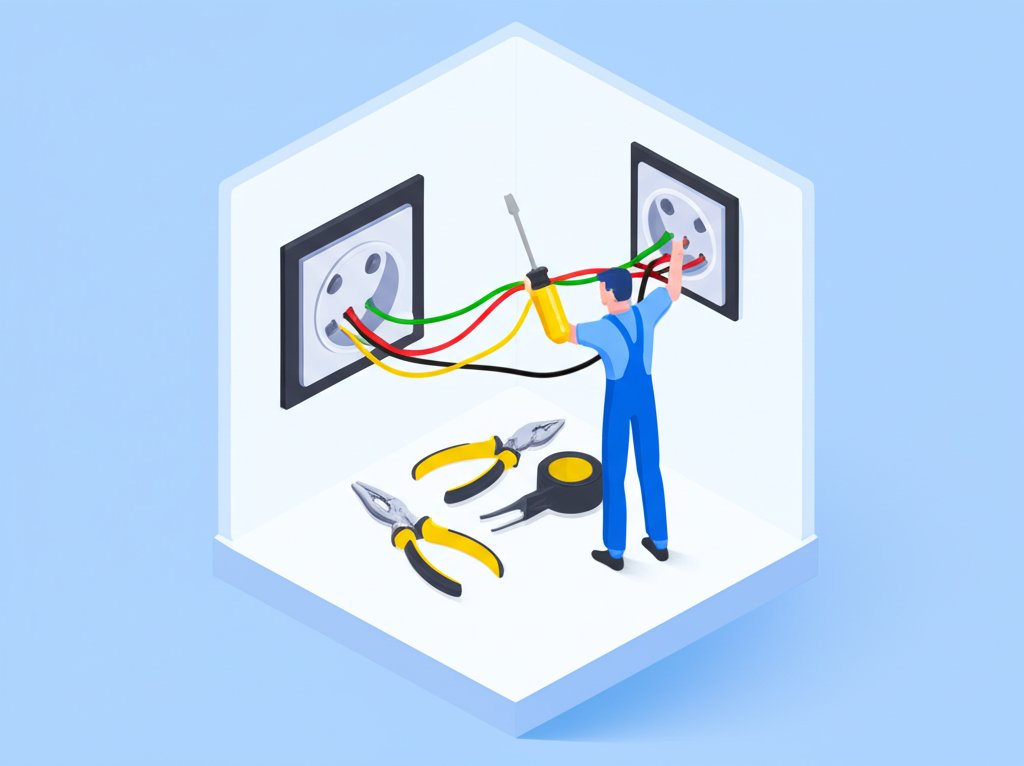
When your lights flicker, an outlet stops working, or you're planning a major home renovation in Richland, finding the best electrician in Richland isn't just about convenience—it's about safety, compliance, and peace of mind. Electrical work is intricate, demanding precision and adherence to strict codes. Unlike many home projects, a mistake here isn't just cosmetic; it can be dangerous, leading to fires or serious injury. That's why knowing how to identify and secure top-tier electrical service is crucial for any homeowner or business owner in the Tri-Cities area.
At a Glance: Your Guide to Choosing a Richland Electrician
- Prioritize Safety & Licensing: Always verify an electrician's license and insurance. This isn't optional; it's a legal and safety necessity.
- Look for Local Expertise: Richland-based electricians often understand local codes and common issues specific to our region.
- Get Detailed Quotes: Don't settle for vague estimates. Demand a clear, itemized breakdown of costs, labor, and materials.
- Check References & Reviews: Reputable electricians will have a track record you can verify through testimonials and online platforms.
- Understand the Scope: Ensure the electrician specializes in the type of work you need (residential, commercial, specific repairs, etc.).
- Ask About Warranties: A quality electrician stands behind their work. Inquire about guarantees on parts and labor.
- Trust Your Gut: Communication and professionalism matter. Choose someone you feel comfortable having in your home.
More Than Just a Spark: Why Professional Electrical Service Matters
In the world of home maintenance, some tasks lend themselves well to DIY spirit. Electrical work, however, rarely falls into that category. The complexity of modern electrical systems, coupled with the inherent dangers of electricity, means that professional intervention is almost always the safest and smartest route. From simple outlet repairs to complex panel upgrades, an experienced, licensed electrician ensures your home's wiring functions flawlessly and, most importantly, safely.
Hiring a professional isn't just about fixing a problem; it's about preventative care for your home's nervous system. An electrician can spot potential hazards before they escalate, identify inefficient setups that drive up your energy bills, and ensure all installations comply with the latest National Electrical Code (NEC) and local Richland regulations. This meticulous approach safeguards your property, protects your family from electrical fires or shocks, and often preserves your home's resale value by ensuring its infrastructure is sound. When you start noticing issues like flickering lights, frequently tripping breakers, or unusual burning smells, these are often [placeholder_link slug="tanda-tanda-anda-membutuhkan-jasa-tukang-listrik-profesional"]. Ignoring these signals can lead to much larger, more dangerous, and more expensive problems down the line.
The risks of amateur electrical work are too high to ignore. Incorrect wiring can cause short circuits, device damage, and, most critically, electrical fires. Beyond immediate dangers, shoddy work might not pass inspection, impacting future home sales or even invalidating your home insurance. A professional brings specialized tools, in-depth knowledge, and years of hands-on experience, transforming a potentially hazardous task into a secure and lasting solution.
Navigating the Search: How to Find the Right Electrician in Richland
Finding a skilled electrician doesn't have to be a shot in the dark. It involves a systematic approach, starting with understanding your needs and knowing what qualifications truly matter.
Beyond Online Reviews: What to Look For
While online reviews offer valuable insights into customer satisfaction and general reputation, they're only one piece of the puzzle. To truly find the right professional, you need to dig deeper. Begin by asking for recommendations from trusted friends, neighbors, or real estate agents in Richland. Their personal experiences can often lead you directly to reliable, local experts. When you're ready to start making calls, focus on [placeholder_link slug="tips-memilih-jasa-listrik-terbaik"] beyond just price comparisons. Look for electricians who communicate clearly, respond promptly, and seem genuinely interested in understanding the specifics of your project.
The Non-Negotiables: Licensing, Insurance, and Experience
This is where the rubber meets the road. Any electrician you consider hiring in Richland must be licensed and insured.
- Licensing: In Washington State, electricians must be licensed by the Department of Labor & Industries (L&I). This license signifies that they have met rigorous training, experience, and examination requirements. A licensed electrician understands the NEC and local building codes, ensuring their work is safe and compliant. Don't just take their word for it; you can easily [placeholder_link slug="bagaimana-memverifikasi-kredensial-tukang-listrik"] through the Washington L&I website using their license number. This step is non-negotiable for your safety and legal protection.
- Insurance: A reputable electrician will carry both liability insurance and workers' compensation insurance. Liability insurance protects you from financial responsibility if the electrician accidentally damages your property during their work. Workers' compensation covers the electrician and their crew if they get injured on your property, preventing you from being held liable. Without these protections, you could be on the hook for significant costs if something goes wrong. Understanding [placeholder_link slug="pentingnya-lisensi-dan-asuransi-tukang-listrik"] ensures you’re fully protected.
- Experience: While a new electrician might be licensed, extensive experience brings a level of problem-solving and efficiency that's invaluable. Ask about their experience with projects similar to yours. A seasoned professional has likely encountered and successfully resolved a wide array of electrical challenges, making them better equipped to handle unexpected issues that may arise during your job.
The Local Advantage: Why a Richland-Based Electrician Often Makes Sense
Choosing an electrician based right here in Richland or the greater Tri-Cities area offers several distinct advantages. Local electricians are often more familiar with the specific electrical infrastructure and common issues prevalent in our community. They're also more likely to be invested in their local reputation, which often translates to higher quality service and greater accountability. Furthermore, when you employ local businesses, you contribute to the economic health of Richland, creating jobs and fostering community growth. This aspect alone highlights the [placeholder_link slug="manfaat-mempekerjakan-tukang-listrik-lokal"] beyond just convenience. They can also respond faster to emergencies, as they don't have a long commute.
Understanding Different Electrical Needs: Residential vs. Commercial
Before you start interviewing electricians, it's vital to clarify the type of service you require. Electrical systems in homes and businesses, while sharing fundamental principles, have distinct differences in their scale, complexity, and regulatory requirements.
What Type of Electrician Do You Need?
- Residential Electricians: These professionals specialize in wiring, repairs, and installations for homes. Their work often includes troubleshooting flickering lights, installing ceiling fans, upgrading electrical panels, adding new outlets, wiring home renovations, and ensuring child-safe electrical solutions. Residential electricians are adept at navigating the unique challenges of domestic settings, from older home wiring systems to integrating smart home technologies.
- Commercial Electricians: Working in businesses, offices, retail spaces, and industrial facilities, commercial electricians handle much larger and more complex electrical loads. They deal with three-phase power, specialized machinery wiring, extensive lighting systems, emergency power generators, and rigorous commercial building codes. The scale and safety protocols for commercial projects are typically much more stringent.
While some electricians might offer both residential and commercial services, many specialize. For most homeowners, understanding the [placeholder_link slug="perbedaan-antara-tukang-listrik-residensial-dan-komersial"] is key to ensuring you hire someone with the precise expertise needed for your project. A residential specialist might be out of their depth on a complex commercial build-out, and vice versa.
The Interview Process: Questions to Ask Before Hiring
Once you have a shortlist of licensed and insured electricians, it's time to gather bids and get a feel for their professionalism and compatibility. Treat this like an interview. You're entrusting them with a critical part of your home.
Key Questions for Quotes, Timelines, and Guarantees
Before committing, a thorough discussion will help prevent misunderstandings and unexpected costs. Here are some essential questions to ask:
- "Can you provide a detailed, written estimate for the entire project, including labor and materials?" This is crucial for [placeholder_link slug="apa-yang-harus-ditanyakan-sebelum-menyewa-tukang-listrik"]. A good estimate should break down all costs, not just offer a lump sum. Be wary of estimates that seem unusually low; they might indicate cut corners or hidden fees.
- "What is your estimated timeline for completion, and what factors might affect it?" Understanding the project duration helps you plan and minimizes disruption.
- "Do you offer a warranty on your work and materials?" Reputable electricians stand behind their craftsmanship. Knowing [placeholder_link slug="memahami-garansi-layanan-listrik"] upfront provides reassurance. Ask for details on what the warranty covers and its duration.
- "Can you provide references from recent clients?" Speaking with past customers can give you invaluable insight into the electrician's reliability, communication, and quality of work.
- "How do you handle unforeseen issues or changes during the project?" Even the best-planned projects can have surprises. A clear process for change orders ensures transparency.
- "Who will be performing the work, and are they employees or subcontractors?" This helps you understand who will be on your property and if they are covered by the electrician's insurance.
Getting Clear on Costs: Beyond the Hourly Rate
Electrical work costs vary widely based on the project's scope, materials needed, and the complexity of the job. While an hourly rate might be a component, a comprehensive understanding of [placeholder_link slug="memahami-biaya-layanan-listrik"] involves more than just this number.
- Flat Fees vs. Hourly Rates: Some jobs (like installing a new outlet) might have a flat fee, while others (like troubleshooting a complex issue) are billed hourly. Ask which approach they use for your specific project.
- Material Costs: These can fluctuate. Ensure your estimate clearly lists the materials, allowing you to understand their contribution to the total.
- Diagnostic Fees: Some electricians charge a fee just to diagnose a problem, which may or may not be waived if you proceed with their repair services. Clarify this upfront.
- Permit Fees: For significant electrical work (like panel upgrades or new circuit installations), permits are often required by the City of Richland to ensure compliance with safety codes. Ask if the electrician will handle the permit application and if its cost is included in the estimate.
- Emergency Service Premiums: If you need after-hours or weekend service, expect to pay a premium. Understand these rates before an emergency strikes.
Always obtain multiple written quotes (at least three) to compare not just the price, but also the scope of work, warranty, and professionalism. The cheapest bid isn't always the best value if it means sacrificing safety or quality.
Common Electrical Questions, Answered by Richland Experts (and the NEC)
Often, understanding a few basics about your home's electrical system can empower you as a homeowner. We've gathered some common questions, drawing on expert insights and the National Electrical Code (NEC).
Electrical Color Codes: What Do They Mean?
Understanding the color of electrical cables is fundamental for safety and proper wiring. In the U.S., the National Electrical Code (NEC) sets these standards:
- "Hot" Cables: Typically black, red, and blue. These wires carry electrical current from the power source to an outlet or device. For higher voltage lines, orange might also indicate a hot cable.
- Neutral Cables: Usually white or gray. These wires return electricity to the power source and complete the circuit. While they carry current, they should have zero voltage relative to the ground.
- Ground Cables: Green or green with a yellow stripe. The ground wire provides a safe path for electricity to flow in case of a fault, preventing shocks and fires. It's a critical safety feature.
Knowing these color codes, as explained by Angi.com, helps you identify wires, though you should never attempt to work with them without proper training and safety precautions.
GFCI Outlets: Essential for Safety
"How do I know if my outlet is appropriate for outdoor lights?" This common question has a critical answer: your outlet should be a Ground-Fault Circuit Interrupter (GFCI). As Angi.com experts confirm, these outlets are designed to instantly cut off power if they detect an imbalance in the electrical current, which can happen if electricity accidentally flows through water or a person. This rapid response prevents electrical fires and protects against severe shocks.
GFCI outlets are mandatory in areas where water might be present, such as bathrooms, kitchens, garages, and all outdoor locations. If your older Richland home lacks GFCIs in these areas, a local electrician can easily replace standard outlets with these life-saving devices. You can also get extension cords with GFCI protection for temporary outdoor power needs.
Mixing Christmas Lights: A Word of Caution
The holiday season often brings out questions about decorations. "Can I use both LED and incandescent Christmas lights together?" While technically possible, it's generally not a good idea to mix LED and incandescent Christmas lights if you can avoid it. LEDs and incandescents have significantly different electrical current needs, as Angi.com points out. This difference can lead to a higher risk of problems and premature failure for both light strands. For the best results and to minimize risks, it's advisable to switch all your lights over to one type or the other. Crucially, do not connect the different types of light strings to each other, and avoid linking them to the same circuit to prevent overloads.
Wire Stripping: The Right Way
For those rare, safe DIY projects that involve low-voltage wiring, understanding wire stripping is useful. "How much of a wire should you strip?" According to Angi.com, using a wire stripper/cutter, you should strip about 1/2 inch to 1 inch of sheathing from electric wires, depending on the specific application. A self-adjusting wire stripper/cutter offers the most convenience, but a standard wire stripper/cutter with holes for different wire gauges works effectively to cut and strip away the sheath without damaging the delicate copper wire inside. Too much stripped wire can lead to exposed conductors and potential shorts, while too little won't make a secure connection.
Manual Gate Operation: For Emergencies
Even electric gates have a manual override. "Can you provide details about manually opening electric gates?" Yes, electric gates can be opened manually in an emergency. All electric gates in North America are subject to the UL 325 Standard for Safety. This standard requires that at least two entrapment protection devices be installed on an electric gate, explicitly allowing emergency responders (and sometimes property owners) to bypass the gate and access the property. This is a critical safety feature, ensuring access during power outages or other urgent situations. Check your gate's manual for specific instructions on its manual release mechanism.
Electrical Safety in Your Home: A Quick Guide
Preventing electrical hazards starts with awareness. Beyond professional installations, practicing good electrical safety habits at home is paramount. Here are a few key practices to adopt, which contribute to a comprehensive [placeholder_link slug="panduan-keamanan-listrik-rumah"]:
- Avoid Overloading Outlets: Plugging too many high-wattage appliances into a single outlet or extension cord can cause overheating, leading to fires. Use power strips with surge protectors, but understand their limits.
- Inspect Cords Regularly: Look for frayed wires, cracked insulation, or damage to plugs. Damaged cords should be replaced immediately, not repaired with tape.
- Keep Water Away from Electricity: This is a fundamental rule. Never operate electrical appliances with wet hands or near standing water.
- Mind Your Breaker Panel: Familiarize yourself with your electrical panel. Labeling circuits can help you quickly identify which breaker controls which part of your home, making it easier to shut off power when needed. If a breaker frequently trips, it signals an underlying issue that requires professional attention.
- Install Smoke and Carbon Monoxide Detectors: While not directly electrical safety, these devices are crucial for alerting you to electrical fires or other emergencies. Test them monthly.
- Childproof Outlets: Use safety caps on unused outlets to prevent young children from inserting objects and suffering electrical shocks.
If you ever smell burning plastic or rubber, see sparks, or feel heat from an outlet or switch, immediately shut off power to that circuit at the breaker panel and call a professional electrician. Don't take chances with potential electrical hazards.
Your Next Steps: Securing Quality Electrical Service in Richland
Finding the best electrician in Richland boils down to being an informed and proactive consumer. You're not just looking for someone to perform a task; you're seeking a trusted partner who prioritizes your safety, adheres to the highest standards, and delivers lasting solutions for your home or business.
Start by outlining your specific needs, then leverage local recommendations and thorough online research. Don't compromise on verifying licenses, insurance, and experience. Engage in detailed conversations with potential candidates, asking the tough questions about costs, timelines, and warranties. Remember, the true value of an electrician isn't just in their immediate service, but in the long-term safety and reliability they bring to your electrical system. By following these guidelines, you'll be well-equipped to make an educated decision and secure the quality electrical service that Richland residents deserve, ensuring your home remains safe, efficient, and up to code for years to come.