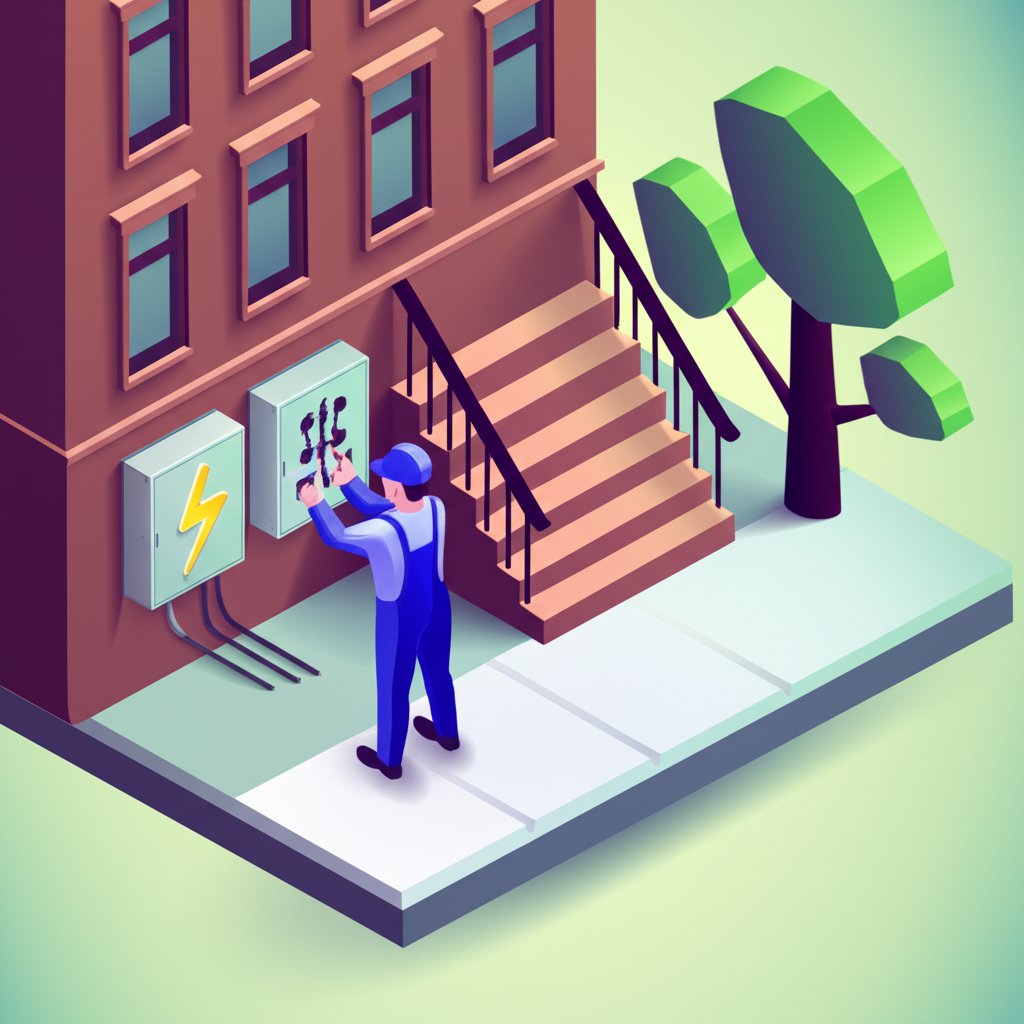
When a flickering light sends a chill down your spine, or an outlet stubbornly refuses to cooperate, finding a reliable expert isn't just about convenience – it's about safety. In a vibrant, historic neighborhood like Park Slope, where brownstones stand proudly alongside modern condos, your electrical system can be a complex beast. That's why you don't just need an electrician; you need the Best Electrician in Park Slope for peace of mind, code compliance, and a home that hums with consistent, safe power.
Navigating the world of electrical repairs and installations can feel overwhelming. From the immediate panic of a power outage to the thoughtful planning of a smart home upgrade, you want a professional who is not only skilled but also trustworthy, transparent, and truly understands the unique demands of Brooklyn homes. This guide is designed to cut through the jargon, empowering you with the knowledge to make an informed decision and connect with an electrician who will brighten your home, safely and efficiently.
At a Glance: Your Quick Guide to Finding the Best Electrician
- Prioritize Licensing & Insurance: Absolutely non-negotiable for your safety and protection. Always verify credentials.
- Look for Local Expertise: Park Slope homes, especially older ones, often have specific electrical quirks (e.g., knob-and-tube wiring) that a local pro will understand.
- Check Online Reviews & References: What are other Park Slope residents saying? A strong reputation speaks volumes.
- Seek Transparent Pricing: Get detailed, written estimates before any work begins. Avoid anyone who pressures for upfront cash.
- Understand Their Specializations: Do they handle emergencies, panel upgrades, EV charger installations, or all of the above?
- Trust Your Gut: Communication style and professionalism are key indicators of a good working relationship.
When You Need More Than Just a Lightbulb Changed: Understanding Electrical Needs in Park Slope
Electrical work isn't a DIY project for the faint of heart, nor for the safety-conscious. Even seemingly minor issues can signal underlying problems that require a trained eye. In Park Slope, a neighborhood renowned for its architectural diversity, your electrical needs can range dramatically based on your property's age and type.
Common Electrical Headaches Homeowners Face
Think beyond the simple flick of a switch. Many electrical issues are subtle, inconvenient, or outright dangerous:
- Flickering Lights: This isn't just annoying; it could indicate loose wiring, an overloaded circuit, or even a more serious problem with your electrical panel.
- Frequent Circuit Breaker Trips: If your breakers are constantly tripping, it's a clear sign of an overloaded circuit, potentially due to too many high-demand appliances on one line. This needs immediate attention to prevent overheating and fire hazards.
- Outlet Issues: Dead outlets, warm outlets, or outlets with scorch marks are red flags. This can point to faulty wiring or overloaded circuits.
- Strange Smells or Sounds: A burning smell or buzzing sound from an outlet or your electrical panel is an emergency. Shut off the main power if safe to do so and call an electrician immediately.
- Outdated Wiring: Many Park Slope homes feature older wiring systems, like knob-and-tube, which aren't designed to handle today's electrical loads. This requires professional assessment and often, an upgrade.
- Lack of GFCI/AFCI Protection: Ground Fault Circuit Interrupters (GFCIs) in wet areas (kitchens, bathrooms) and Arc Fault Circuit Interrupters (AFCIs) in living areas are crucial for modern safety standards, protecting against electrocution and fires. Older homes often lack these.
Why Local Expertise Matters: Navigating Permits, Older Homes, and NYC Codes
Choosing an electrician who is deeply familiar with Park Slope isn't just a nicety; it's a necessity. This isn't like hiring a painter; electrical work is governed by stringent local codes and often requires permits, especially in New York City.
- NYC Electrical Code Compliance: The New York City Electrical Code is specific and regularly updated. A local electrician will be well-versed in these regulations, ensuring all work is up to snuff and passes inspection. This protects your safety and avoids costly re-dos or fines down the line.
- Permit Navigation: Many significant electrical projects—like panel upgrades, new circuit installations, or major wiring renovations—require permits from the Department of Buildings (DOB). An experienced Park Slope electrician will know exactly which permits are needed, how to apply for them, and how to coordinate inspections.
- Understanding Older Home Challenges: Park Slope is famous for its pre-war architecture. Homes built in the early 20th century often have unique electrical systems, including:
- Knob-and-Tube Wiring: This antique wiring system lacks a ground wire and has insulation that can deteriorate over time, posing a fire risk. Many insurers won't cover homes with uninspected K&T wiring.
- Limited Amperage: Older homes often have 60-amp or 100-amp electrical panels, insufficient for modern power demands (multiple TVs, computers, central air, electric vehicles). An upgrade to 200 amps or more is a common requirement.
- Concealed Wiring: Working in plaster walls and historic structures requires a delicate touch and techniques that preserve the home's integrity.
A local electrician brings an intimate understanding of these challenges, offering solutions that respect your home's history while bringing its electrical system into the 21st century.
Beyond the Buzz: What Makes an Electrician Truly "Best"?
Identifying the "best" isn't just about who can fix a problem; it's about a comprehensive package of skills, ethics, and service. When you're entrusting someone with your home's vital circulatory system, you need to know they meet high standards.
Qualifications and Licensing: Your Non-Negotiables
This is your absolute first filter. Never, under any circumstances, hire an unlicensed or uninsured electrician.
- NYC Master Electrician License: In New York City, all electrical work must be performed by or under the direct supervision of a licensed Master Electrician. This license signifies that the individual has met rigorous experience requirements, passed comprehensive exams, and understands the NYC Electrical Code. Ask for their license number and verify it with the NYC Department of Buildings (DOB) online database.
- Insurance (Liability & Workers' Comp): This protects you. If an electrician causes damage to your home or injures themselves on your property, their insurance should cover it. Without it, you could be held liable. Request proof of both general liability and workers' compensation insurance. A reputable electrician will provide this without hesitation.
Experience and Specialization: From Knob-and-Tube to Smart Homes
While a license proves basic competency, experience refines it. The "best" electricians often have a breadth of experience and sometimes specific specializations.
- Years in Business: Longevity often correlates with reliability and customer satisfaction. A company that has been serving Park Slope for years has built a reputation.
- Relevant Expertise: Does your project involve an older home's wiring or a cutting-edge smart home system? Ensure the electrician has specific experience with your type of job. Some specialize in residential, others in commercial, and some excel at both. If you're looking for an electrician skilled in smart home integration, for instance, confirm their specific track record.
- Problem-Solving Skills: Electrical issues are rarely straightforward. A great electrician can diagnose complex problems, explain them clearly, and offer effective solutions.
Reputation and Reliability: What Local Reviews Tell You
In today's connected world, reputation precedes many professionals. Leverage online resources, but also consider traditional methods.
- Online Reviews (Yelp, Google, Angi, etc.): Look for consistent positive feedback. Pay attention to common themes: communication, punctuality, professionalism, cleanliness, and problem resolution. Don't just look at the star rating; read the actual reviews. One or two negative reviews aren't necessarily disqualifying, but patterns of complaints are.
- Local Referrals: Ask neighbors, friends, or local real estate agents in Park Slope who they trust. Word-of-mouth is still one of the most powerful endorsements.
- Professional Affiliations: Membership in industry associations (e.g., National Electrical Contractors Association - NECA) can indicate a commitment to professional standards and ongoing training.
Transparency in Pricing and Communication
No one likes surprises, especially when it comes to bills. The best electricians are upfront and clear.
- Detailed, Written Estimates: Before any work begins, you should receive a clear, itemized estimate outlining parts, labor, and any potential unforeseen costs. This should be a professional document, not just a scribbled note.
- Clear Communication: An electrician should be able to explain the problem and solution in terms non-experts can understand. They should be responsive to your calls and questions and keep you updated on progress or delays.
- No Hidden Fees: Inquire about call-out fees, diagnostic fees, and after-hours rates upfront.
- Payment Terms: Reputable electricians will typically require payment upon completion of the work or a partial deposit for large projects. Be wary of anyone demanding full payment upfront.
Insurance and Guarantees: Protecting Your Investment
Beyond basic licensing and insurance, look for a commitment to quality and accountability.
- Workmanship Guarantee: Does the electrician stand behind their work? Many offer a warranty on labor, typically for one to three years. This shows confidence in their skills.
- Materials Warranty: They should use high-quality, code-compliant materials, which often come with manufacturer warranties.
- Damage Protection: A professional will take precautions to protect your home during work, such as using drop cloths and cleaning up thoroughly afterward.
The Park Slope Electrical Landscape: Services You'll Likely Need
Electricians do far more than just "fix wires." Their services encompass a wide range of critical tasks, from urgent repairs to strategic upgrades. Knowing the common services can help you articulate your needs and find the right specialist.
Emergency Repairs: When Every Second Counts
When you've got no power, sparks are flying, or you smell burning, it's not just an inconvenience—it's an emergency.
- 24/7 Availability: The best electricians in Park Slope offer emergency services, understanding that electrical problems don't adhere to business hours. They'll have a rapid response team ready to address urgent and dangerous situations.
- Rapid Diagnosis & Repair: In an emergency, swift and accurate diagnosis is paramount. They should be able to quickly identify the issue and implement a safe, effective repair to restore power or mitigate danger.
- Safety First: An emergency electrician's priority is always safety—for you, your family, and your home—before restoring functionality.
Panel Upgrades and Circuit Breaker Issues
This is one of the most common and vital upgrades for older Park Slope homes.
- Overloaded Panels: If your home's electrical panel (the "breaker box") is old, it might not have enough capacity (amperage) to handle modern appliances and electronics. Frequent breaker trips are a prime indicator.
- Fuse Box Replacement: Many older homes still have antiquated fuse boxes. Replacing these with modern circuit breaker panels is a crucial safety upgrade, offering better protection against overloads and short circuits.
- Subpanel Installation: For additions, finished basements, or areas with high electrical demand, a subpanel can distribute power more effectively without overtaxing the main panel.
Wiring Inspections and Code Compliance
Essential for safety, especially if you're buying an older home or planning renovations.
- Pre-Purchase Inspections: If you're buying a home in Park Slope, a thorough electrical inspection can uncover hidden issues, giving you leverage in negotiations or preventing costly surprises down the road.
- Code Updates: Electrical codes evolve. An electrician can inspect your wiring to ensure it meets current safety standards and recommend necessary upgrades, like GFCI/AFCI outlets or proper grounding.
- Knob-and-Tube Remediation: If your home still has knob-and-tube wiring, an electrician can assess its condition and provide options for partial replacement or full rewiring to enhance safety and meet insurance requirements.
Lighting Installation and Smart Home Integration
Beyond simple repairs, many seek electricians for aesthetic and technological enhancements.
- Recessed Lighting & Fixture Installation: Whether it's adding elegant recessed lighting, installing chandeliers, or updating outdated fixtures, electricians ensure safe and code-compliant installation.
- Smart Home Systems: Integrating smart lighting, thermostats, security systems, and voice assistants often requires professional wiring and configuration to ensure all components communicate effectively and have adequate power. For insights into the benefits of smart lighting systems, a qualified electrician can offer tailored advice.
- Outdoor Lighting: Enhancing curb appeal, security, and usability of outdoor spaces with landscape lighting, security lights, and patio illumination.
Generator Installation and Backup Power Solutions
In a city prone to power outages, backup power is a growing concern.
- Standby Generators: These automatically kick on when the power goes out, ensuring your home maintains essential services (heating, refrigeration, medical equipment). Installation involves connecting the generator to your home's electrical panel via an automatic transfer switch.
- Portable Generator Connections: For smaller, portable generators, an electrician can install a transfer switch and exterior inlet box, allowing you to safely connect your generator and power select circuits.
EV Charger Installation: Powering Your Sustainable Commute
As electric vehicles become more popular, home charging solutions are in high demand.
- Level 2 Charger Installation: This involves running a dedicated 240-volt circuit from your electrical panel to a charging station in your garage or driveway. This requires careful load calculation to ensure your panel can handle the increased demand.
- Permitting & Inspection: EV charger installations often require specific permits and inspections in NYC to ensure safety and code compliance. An experienced electrician will manage this process. When considering the best EV charger for your home, it's wise to consult with an installation expert.
Your Blueprint for Hiring: A Step-by-Step Guide
Finding the "best" isn't about luck; it's about a systematic approach. Here’s how to confidently select an electrician in Park Slope.
1. Start with Recommendations and Online Searches
- Word-of-Mouth: Ask trusted neighbors, friends, or local community groups for their recommendations. Personal experiences are invaluable.
- Online Search Engines: Use specific search terms like "Best Electrician Park Slope," "licensed electrician Brooklyn," or "emergency electrician 11215."
- Review Platforms: Yelp, Google Reviews, Angi, HomeAdvisor, and local Park Slope Facebook groups are great resources. Filter by highest-rated and read recent reviews carefully.
2. Vetting Potential Candidates: The Interview Process
Once you have a shortlist (aim for 2-3), it's time to dig deeper. Treat this like an interview for a critical home project.
- Initial Call: Ask about their availability, their service area (confirm they serve Park Slope), and if they offer free estimates.
- Discuss Your Project: Clearly describe the work you need done. A good electrician will ask clarifying questions, demonstrating their expertise.
- Inquire About Licensing & Insurance: Absolutely confirm they are licensed and insured in NYC. Ask for their license number and proof of insurance upfront.
3. Getting Detailed Quotes: Beware of Lowball Offers
Never go with the first quote, and be wary of quotes that are significantly lower than others. They often indicate corner-cutting, hidden fees, or a lack of proper licensing/insurance.
- On-Site Estimates: For anything beyond a simple repair, insist on an in-person visit. An electrician needs to see the current setup, assess accessibility, and understand the scope of work to provide an accurate estimate.
- Itemized Quotes: The quote should clearly break down labor costs, material costs, permit fees, and any other charges. It should specify the scope of work, including what is included and excluded.
- Ask Questions: If anything is unclear, ask for clarification. Don't be afraid to challenge a vague item or request more detail.
4. Checking References and Licensing
This is where you verify their claims.
- Request References: Ask for contact information for recent clients who had similar work done. Call them and ask about the electrician's professionalism, timeliness, quality of work, and adherence to the budget.
- Verify NYC License: Use the NYC Department of Buildings (DOB) online search tool (NYCityMap or DOB Building Information Search) to verify their Master Electrician license number and ensure it's current and valid.
- Confirm Insurance: Ask their insurance provider to send proof of current liability and workers' compensation coverage directly to you.
5. The Importance of a Written Contract
Once you've chosen an electrician, formalize everything with a written contract.
- Clear Scope of Work: The contract should precisely detail what work will be done, materials used, timeline, and who is responsible for permits and inspections.
- Total Cost & Payment Schedule: Clearly state the agreed-upon total cost, any deposit requirements, and the payment schedule.
- Warranty Information: Include details on any warranties for labor and materials.
- Start and Completion Dates: While these can sometimes be estimates, having them in writing sets expectations.
- Cancellation Clause: Understand the terms if either party needs to cancel the agreement.
Navigating the Fine Print: Red Flags and Common Pitfalls to Avoid
Even with the best intentions, it's easy to fall prey to less reputable individuals. Knowing the warning signs can save you significant headaches, money, and potential safety risks.
Unlicensed or Uninsured Workers
This is the biggest red flag. If an electrician cannot immediately provide proof of a current NYC Master Electrician license and comprehensive insurance (liability and workers' compensation), do not hire them. The risks are immense: shoddy work, code violations, no recourse if damage occurs, and potential liability for injuries.
Demanding Upfront Cash or Sketchy Payments
While a deposit for large projects is common, be extremely wary of anyone demanding full payment upfront, or insisting on cash-only payments without a proper invoice. This is often a tactic used by scammers who may take your money and disappear, or perform substandard work without any paper trail.
High-Pressure Sales Tactics
A reputable electrician will assess your needs, provide options, and explain their recommendations, giving you time to make a decision. High-pressure sales tactics—like "limited-time offers," insisting on immediate agreement, or fear-mongering about minor issues—are unprofessional and usually a sign that they're trying to rush you into a bad deal.
Lack of Clear Communication
If an electrician is difficult to reach, provides vague answers, or doesn't seem to listen to your concerns during the initial stages, imagine how frustrating it will be once the project is underway. Good communication is fundamental to a successful contractor-client relationship.
Promises That Seem Too Good To Be True
If a quote is drastically lower than others, or an electrician promises to complete complex work in an impossibly short timeframe, exercise extreme caution. Quality electrical work takes time, expertise, and proper materials. Cutting corners often leads to safety hazards and further problems down the line. Remember, the cost of electrical repairs can vary widely, but exceptionally cheap quotes are usually a warning sign.
Keeping the Lights On: Essential Electrical Maintenance Tips
While you'll rely on the best electricians in Park Slope for major work, there are things you can do to maintain your system and identify potential issues early.
Regular Inspections: Prevention is Key
Just like your car or your annual physical, your electrical system benefits from periodic check-ups.
- Every 5-10 Years: Consider having a licensed electrician perform a comprehensive inspection every 5-10 years, or if you notice any new issues. This is especially crucial for older homes.
- Before Major Appliance Purchases: If you're adding a high-demand appliance like an electric car charger, central AC, or a hot tub, have an electrician assess your panel's capacity before installation.
- During Home Renovations: Any major renovation, even if not directly electrical, is a good opportunity to have an electrician check the surrounding wiring and ensure it's up to code.
Understanding Your Electrical Panel
Know where your electrical panel is and how to safely operate it.
- Locate Your Panel: Ensure everyone in your household knows where the main electrical panel is located and how to shut off power in an emergency.
- Label Circuits: Have your electrician clearly label each circuit breaker with what it controls. This makes troubleshooting much easier.
- Don't Overload: Be mindful of how many devices are plugged into a single circuit, especially high-wattage appliances. Use surge protectors for sensitive electronics.
Safe Appliance Use
Everyday habits contribute significantly to electrical safety.
- Inspect Cords: Regularly check appliance cords for fraying, cracks, or damage. Replace damaged cords immediately.
- Avoid Overloading Outlets: Never use multi-plug adapters or extension cords to power multiple high-wattage appliances. Use extension cords only for temporary solutions, and ensure they are rated for the intended use.
- Keep Water Away: Ensure all electrical appliances and outlets are kept away from water sources, especially in bathrooms and kitchens.
Answering Your Burning Questions About Park Slope Electricians
We've covered a lot, but some common questions always surface. Here are crisp answers to clarify common concerns.
How much does an electrician cost in Park Slope?
The cost of an electrician in Park Slope varies widely based on the type of work, the complexity, and whether it's an emergency.
- Service Calls/Hourly Rate: Expect to pay anywhere from $100 to $250 per hour, often with a minimum service charge for diagnostics (e.g., $150-$300).
- Specific Projects:
- Outlet repair/installation: $150-$300 per outlet.
- Light fixture installation: $100-$500 per fixture (depending on complexity).
- Panel upgrade (100A to 200A): $2,500 - $6,000+, depending on whether the service entrance needs to be upgraded.
- EV charger installation: $800 - $2,500+ (depending on distance from panel, panel capacity).
Emergency calls outside of business hours will always incur higher rates. Always get a written estimate.
Do I need a permit for electrical work in Park Slope?
Yes, for most significant electrical work in New York City, you will need a permit from the Department of Buildings (DOB). This includes:
- Panel upgrades or replacements.
- New circuit installations.
- Major wiring changes or additions.
- Service entrance upgrades.
- EV charger installations.
A licensed electrician will know exactly when a permit is required and will handle the application and inspection process on your behalf. Performing work without a permit can lead to fines, difficulties selling your home, or safety hazards.
How often should I have my electrical system inspected?
For most residential homes, a comprehensive electrical inspection is recommended every 5 to 10 years. However, consider more frequent inspections if:
- Your home is older (especially pre-1950s).
- You are buying an older home.
- You are undertaking major renovations.
- You are adding major new electrical loads (e.g., EV charger, central AC).
- You notice recurring electrical issues (flickering, tripping breakers).
What's the difference between an electrician and an electrical contractor?
In NYC, the term "electrician" generally refers to an individual skilled in electrical work. A "Master Electrician" is an individual who holds the highest level of licensing and can design, install, and maintain electrical systems. An "electrical contractor" is typically a business or company that employs Master Electricians and other licensed electricians to perform work. When you hire a company, you're usually engaging an electrical contractor, who will then send a licensed electrician or a team overseen by a Master Electrician to your home.
How can I tell if an electrician is licensed in NYC?
You can easily verify an electrician's license using the NYC Department of Buildings (DOB) online search tools:
- Visit the DOB's website.
- Look for a "Building Information Search" or "NYCityMap" feature.
- Enter the Master Electrician's license number (which they should readily provide).
This will confirm if their license is active and valid. Always do this verification before hiring.
Your Next Step to a Safely Powered Home
Finding the best electrician in Park Slope isn't just about solving an immediate problem; it's an investment in your home's safety, efficiency, and long-term value. By prioritizing licensing, insurance, local expertise, and clear communication, you're not just hiring a technician—you're partnering with a trusted professional who understands the unique electrical tapestry of our cherished neighborhood.
Don't wait for a spark to fly or a breaker to trip one too many times. Be proactive. Take the time to vet candidates, ask the right questions, and secure a detailed contract. Your peace of mind, and the safe, reliable operation of your home, are worth every bit of due diligence. Start your search today, empower your home, and keep the lights on—safely and brilliantly.