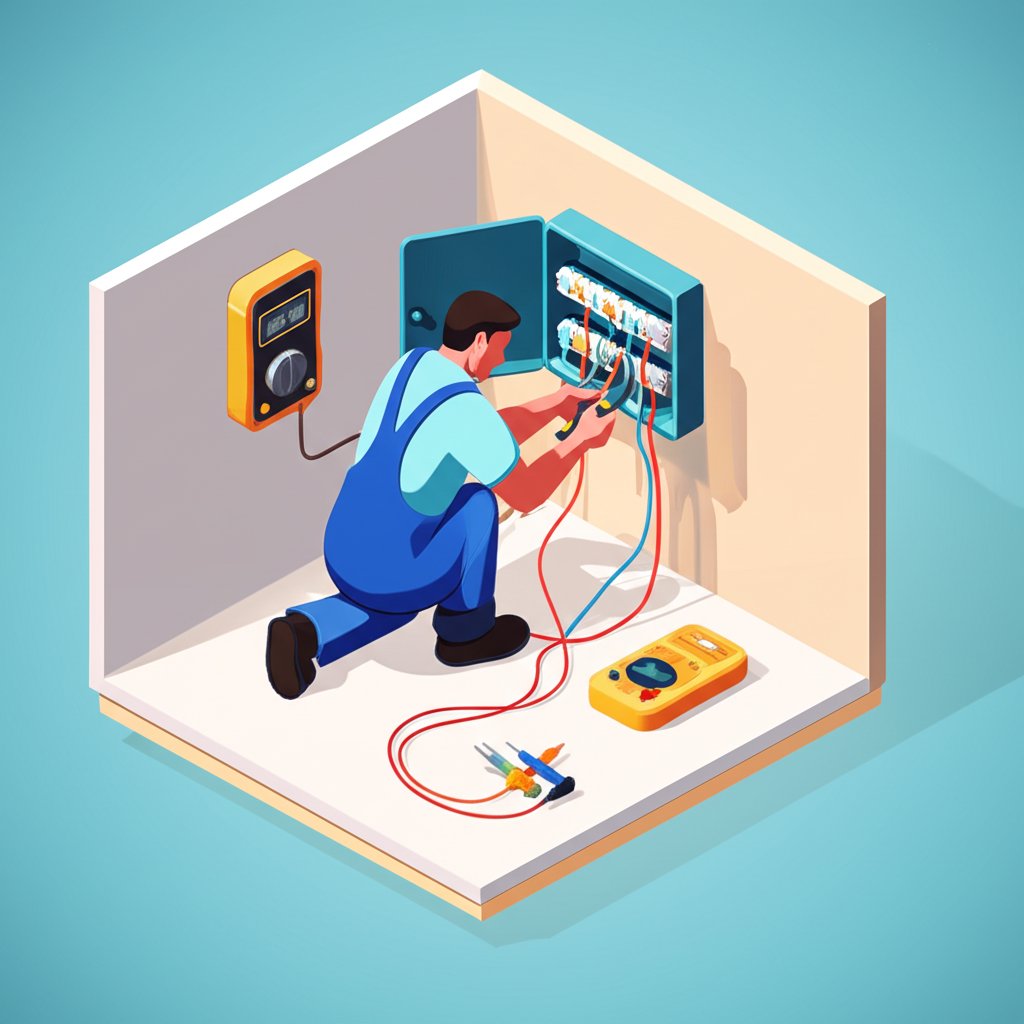
When the lights flicker, an outlet mysteriously stops working, or you're considering a major electrical upgrade for your home, finding the Best Electrician in Oxon Hill-Glassmanor isn't just about convenience – it's about safety, compliance, and peace of mind. In a vibrant community like ours, where homes range from historic charmers to modern builds, electrical needs are diverse, and the stakes are always high.
You might be surprised to learn that Oxon Hill, MD, boasts a robust network of 55 highly-rated local electricians. Homeowners like you have collectively contributed over 2,400 verified reviews for electrical services, leading to an impressive average rating of 4.6 out of 5 stars. That's a strong testament to the quality available right here in our neighborhood, but it also means you need a clear strategy to sort through the options and find the perfect fit for your project.
This comprehensive guide will help you navigate the process, understand crucial safety considerations, and equip you with the knowledge to make an informed decision, ensuring your home's electrical system is in the most capable hands.
At a Glance: Finding Your Top Electrician
- Safety First: Electrical work is not DIY. Prioritize professional expertise for all tasks.
- Local Expertise Matters: Look for licensed and insured electricians familiar with Oxon Hill-Glassmanor's specific building codes.
- Read Reviews: Leverage the community's 4.6-star average across 2,400+ reviews to identify reputable pros.
- Get Multiple Quotes: Don't settle for the first estimate; compare detailed proposals.
- Ask Smart Questions: Inquire about experience, warranties, and emergency services.
- Understand the Code: The National Electrical Code (NEC) updates regularly; your electrician should be current.
When to Call a Pro: Identifying Your Electrical Needs
Some electrical issues are obvious, like a complete power outage. Others are more subtle, yet equally (if not more) dangerous. Knowing when to pick up the phone is the first step toward a safe and functional home.
The Warning Signs You Can’t Ignore
- That Persistent Buzz: Ever heard an outlet buzzing? Never just ignore it, and certainly never touch or try to unplug anything without caution. If an appliance is causing the buzz, switch it off first, then unplug it. Test the outlet with a low-power item, like a small lamp. If the buzzing persists, it's a clear signal that something is seriously wrong behind the wall, and you need a professional to investigate immediately. This could indicate loose wiring, a faulty outlet, or even an overloaded circuit—all potential fire hazards.
- Flickering Lights: While an occasional flicker can be normal, frequent or widespread flickering often points to larger issues with your home's wiring, a failing circuit breaker, or even problems with the utility service.
- Tripping Breakers: Circuit breakers are designed to trip when a circuit is overloaded, preventing overheating and fires. If a breaker trips frequently, it’s not just an annoyance; it’s a symptom of a circuit regularly exceeding its capacity, which requires a professional assessment.
- Burning Smells or Scorched Outlets: Any smell of burning plastic or insulation, or visible scorching around outlets or light switches, demands immediate attention. This indicates extreme heat and an imminent fire risk. Turn off power to the affected area at your main panel if you can do so safely, and call an emergency electrician.
- Outdated Electrical Panels: If your home is older, you might have an antiquated fuse box or an electrical panel that simply can't handle the demands of modern appliances. Upgrading your panel is a critical safety measure and often necessary for renovations.
Essential Electrical Projects That Require an Expert
Beyond troubleshooting urgent problems, many home improvement and maintenance tasks require a skilled electrician to ensure safety and code compliance.
- Wiring Updates and Renovations: Undertaking a kitchen remodel or adding a new room? The National Electrical Code (NEC) reviews household codes every three years, and these changes can make older kitchens, for instance, non-compliant due to updated rules for amperage, GFCI protection, and more. A professional electrician will ensure your new space meets current standards.
- Smart Home Installations: Integrating smart lighting, thermostats, or security systems often goes beyond simple plug-and-play. Hardwired smart devices require careful installation to work correctly and safely within your existing electrical framework.
- Lighting Upgrades (Including Specialty Lighting): From installing recessed lighting to replacing a complex chandelier, or even addressing outdoor and pool lighting. For example, replacing a damaged pool light isn't just about unscrewing a bulb; it involves intricate waterproofing and proper wiring to prevent dangerous electrical hazards. An electrician is invaluable if existing wiring needs repair, updating, or new lines need to be run for additional fixtures.
- Generator Installation: If you're considering a backup generator, it needs to be professionally installed and connected to your home's electrical panel via a transfer switch to prevent back-feeding the grid and endangering utility workers.
- GFCI and AFCI Outlet Installation: Ground Fault Circuit Interrupters (GFCIs) and Arc Fault Circuit Interrupters (AFCIs) are modern safety devices that prevent electrocution and electrical fires. They're often required in specific areas (bathrooms, kitchens, bedrooms) and should be installed by a professional.
- Correcting Improper Grounding: An often-overlooked safety issue, grounding prevents electrical shocks by providing a safe path for fault currents. It’s important to know that connecting a ground wire to plumbing pipes is no longer considered safe. While this was once an acceptable practice, the widespread use of non-metallic water pipes and fittings today can disrupt the ground connection, creating a dangerous situation. A qualified electrician can assess and rectify any improper grounding in your home.
Decoding "Best": What to Look For in an Oxon Hill-Glassmanor Electrician
With 55 highly-rated electricians in Oxon Hill, how do you narrow down your search for the best? It comes down to a few key criteria that define professionalism, trustworthiness, and competence.
1. Licensing, Insurance, and Certification
This is non-negotiable. Always ask for proof of:
- Licensing: In Maryland, electricians must be licensed by the State Board of Master Electricians. This ensures they have met specific training, experience, and examination requirements. A licensed electrician understands the NEC and local Oxon Hill-Glassmanor building codes.
- Insurance: A reputable electrician will carry both liability insurance (to cover damages to your property) and worker's compensation insurance (to protect their employees if they get injured on your property). Never hire an uninsured electrician—you could be held liable for accidents.
- Bonding: While not always mandatory, a bonded electrician offers an extra layer of protection, meaning a bonding company will pay you if the electrician fails to complete a job or violates contract terms.
2. Local Reputation and Experience
Leverage those 2,400+ reviews!
- Online Reviews: Sites like Google, Yelp, and Angie's List (or similar local service directories) are invaluable. Look beyond just the star rating; read the comments. Are customers praising punctuality, problem-solving skills, and fair pricing? What types of projects do they excel at? Remember, the average rating for local electricians is 4.6 stars, so aim for contractors who meet or exceed that.
- References: A good electrician should be happy to provide references from past clients, especially for larger projects.
- Years in Business: While new businesses can be excellent, an established presence in Oxon Hill-Glassmanor often indicates a track record of reliability and community trust.
- Specialization: Does the electrician primarily handle residential work, or are they geared more toward commercial projects? For home electrical issues, a residential specialist will likely be more familiar with the nuances of home wiring and code.
3. Transparent Communication and Pricing
The "best" electrician is one who communicates clearly and honestly about costs and scope.
- Detailed Estimates: A professional electrician will provide a written estimate that clearly breaks down labor costs, material costs, and any permit fees. Be wary of vague estimates or those given only over the phone without an initial inspection.
- Willingness to Discuss Pricing: You absolutely can discuss pricing with an electrician. If a quote feels too high, don't hesitate to share estimates you've received from other electricians or discuss specific line items in the proposal to see if adjustments can be made. While the final decision on cost rests with the professional, a willingness to engage in this conversation shows transparency and a commitment to customer satisfaction.
- No Hidden Fees: Ensure the estimate includes everything. Ask about potential additional costs for unforeseen issues, and how those would be communicated and approved.
- Clear Timelines: Understand when they can start, how long the work is expected to take, and when they anticipate finishing.
4. Customer Service and Professionalism
- Punctuality and Respect: Do they show up on time for appointments? Are they courteous and respectful of your home, using shoe covers or drop cloths?
- Cleanliness: A good electrician cleans up after themselves, leaving your home as tidy as they found it.
- Problem-Solving Approach: Do they take the time to explain the issue and their proposed solution in a way you can understand?
- Warranty: Ask about their warranty on parts and labor. Reputable electricians stand behind their work.
The Hiring Process: From First Call to Final Fix
Finding the right electrician in Oxon Hill-Glassmanor involves a few structured steps.
Step 1: Define Your Needs
Before you even pick up the phone, have a clear idea of the electrical work you need done. Is it a repair, an upgrade, an installation, or an emergency? The more specific you can be, the better an electrician can assess the scope and provide an accurate estimate.
Step 2: Research and Shortlist
Based on the criteria above, start by searching online for "electrician Oxon Hill-Glassmanor" or "licensed electrician near me." Read reviews, check websites, and narrow your list down to 3-5 candidates who seem promising.
Step 3: Schedule Consultations and Get Estimates
Contact your shortlisted electricians to schedule on-site consultations. For repairs, they'll need to diagnose the issue. For installations or upgrades, they'll need to see the space and understand your requirements.
- Be Prepared: Show them the problem or explain your project thoroughly.
- Ask for Written Estimates: Always get a detailed, written estimate that itemizes labor, materials, and any other fees.
- Compare Apples to Apples: When comparing estimates, make sure they cover the exact same scope of work. A lower price might indicate a less comprehensive approach or cheaper materials.
Step 4: Verify Credentials
Once you have your top 1-2 choices, take the time to verify their license and insurance. You can often do this through the Maryland Department of Labor's professional licensing search tool. Ask them to email or show you copies of their insurance certificates.
Step 5: Ask The Right Questions
Before making a final decision, engage your potential electrician with some targeted questions:
- "How long have you been working as an electrician in the Oxon Hill-Glassmanor area?"
- "What is your experience with [specific project, e.g., knob and tube wiring, smart home installation]?"
- "Will you be pulling any necessary permits for this work?" (For larger projects, permits are crucial for safety and resale).
- "What is your timeline for completing this project?"
- "Do you offer any warranty on your work or the materials you use?"
- "What is your procedure for handling unexpected issues that arise during the project?"
- "What are your payment terms?"
Step 6: Review the Contract and Make Your Decision
Once you're satisfied with an electrician, carefully review the contract. Ensure it clearly outlines the scope of work, timeline, payment schedule, and warranty information. Never feel pressured to sign anything you don't fully understand.
Common Electrical Questions, Answered Simply
We hear these questions all the time. Here are some quick, clear answers to empower your decisions.
"Can I really negotiate an electrician's price?"
Yes, to a degree. While an electrician sets their rates based on expertise, overhead, and local market conditions, you can discuss pricing. If an offer feels too expensive, politely mention you're comparing bids or inquire about specific components of the estimate to see if any aspects can be modified without compromising safety or quality. The professional ultimately determines the final cost, but open dialogue is always welcome.
"Why is my kitchen wiring suddenly 'out of code'?"
It's not "suddenly" out of code, but rather that the National Electrical Code (NEC) is revised every three years. These updates introduce new safety standards, often impacting areas like kitchens with changes to amperage requirements, GFCI protection (Ground Fault Circuit Interrupters), and other critical wiring standards. An older kitchen, while perfectly safe for its time, might no longer meet the latest code requirements for new construction or major renovations. Your electrician will bring it up to current standards.
"What's the deal with grounding to water pipes?"
Connecting a ground wire to metal plumbing pipes is no longer considered a safe or acceptable practice. While it was once common, the widespread use of non-metallic (plastic) water pipes and fittings in modern plumbing systems can disrupt the crucial electrical connection needed for proper grounding. This can leave your home's electrical system vulnerable and dangerous. A qualified electrician can inspect and correct any outdated grounding methods.
"How do I deal with a buzzing outlet?"
The cardinal rule: Never unplug or touch a buzzing outlet directly. If an appliance is causing the buzz, turn off the appliance first, then safely unplug it. To test the outlet itself, plug in something that doesn't draw much power, like a small nightlight or phone charger. If the outlet still buzzes, it's indicating a serious electrical problem—likely loose wiring or a faulty component. Turn off power to that circuit at your breaker panel if you can, and call a professional electrician right away. This is not a DIY fix.
"Can any handyman replace my pool light?"
While a handyman might be able to physically swap out a light fixture, a pool light is an entirely different matter. It involves a critical understanding of underwater electrical systems, GFCI protection, specialized waterproofing, and proper conduit installation to prevent electrocution hazards. An experienced electrician is absolutely essential for replacing a damaged pool light, especially if the existing wiring needs repair, updating, or new wiring needs to be installed for additional lights. Their expertise ensures the work is done safely and to code, protecting you and your family.
Avoiding Electrical Pitfalls and DIY Disasters
In the era of YouTube tutorials, it’s tempting to tackle electrical projects yourself to save money. However, electrical work is inherently dangerous and complex. A single misstep can lead to:
- Fire Hazards: Incorrect wiring is a leading cause of residential fires.
- Electrocution: Even a minor shock can be fatal.
- Property Damage: Incorrect installations can damage appliances or your home's structure.
- Code Violations: DIY work often doesn't meet safety codes, potentially impacting your home's insurance and resale value.
For anything beyond changing a lightbulb or resetting a tripped GFCI, call a professional. The cost of a qualified electrician is a small price to pay for your family's safety and the integrity of your home.
Your Electrical Home Maintenance Checklist
Beyond hiring an electrician for specific projects, a little proactive vigilance goes a long way:
- Regular Visual Inspections: Periodically check outlets, switches, and cords for damage, discoloration, or warmth.
- Test GFCI Outlets Monthly: Use the "test" button on your GFCI outlets to ensure they're functioning correctly.
- Don't Overload Outlets: Avoid using multiple power strips or plugging too many high-draw appliances into a single circuit.
- Keep Clear Pathways to Panels: Ensure your electrical panel is easily accessible in case of an emergency.
- Mind Your Cords: Replace frayed or damaged cords immediately. Don't run cords under rugs where they can be damaged or overheat.
Making the Final Choice for Your Oxon Hill-Glassmanor Home
Choosing the "best" electrician in Oxon Hill-Glassmanor isn't about finding the cheapest option; it's about investing in skill, safety, and reliability. Given the wealth of highly-rated professionals in our area, you have the advantage of choice. Focus on electricians who prioritize safety, demonstrate clear communication, carry proper credentials, and have a proven track record of satisfied customers—the kind of professional who contributes to that impressive 4.6-star average.
When you bring a qualified electrician into your home, you're not just getting a repair or an installation; you're gaining expertise that protects your property, safeguards your family, and ensures your home's electrical system is a source of convenience, not concern.
Taking the Next Step
Ready to find your ideal electrician? Start by clearly outlining your project, then begin researching local professionals in Oxon Hill-Glassmanor. Request at least three detailed estimates, verify their credentials, and ask all your questions. Your peace of mind (and a safely powered home) is just a conversation away.