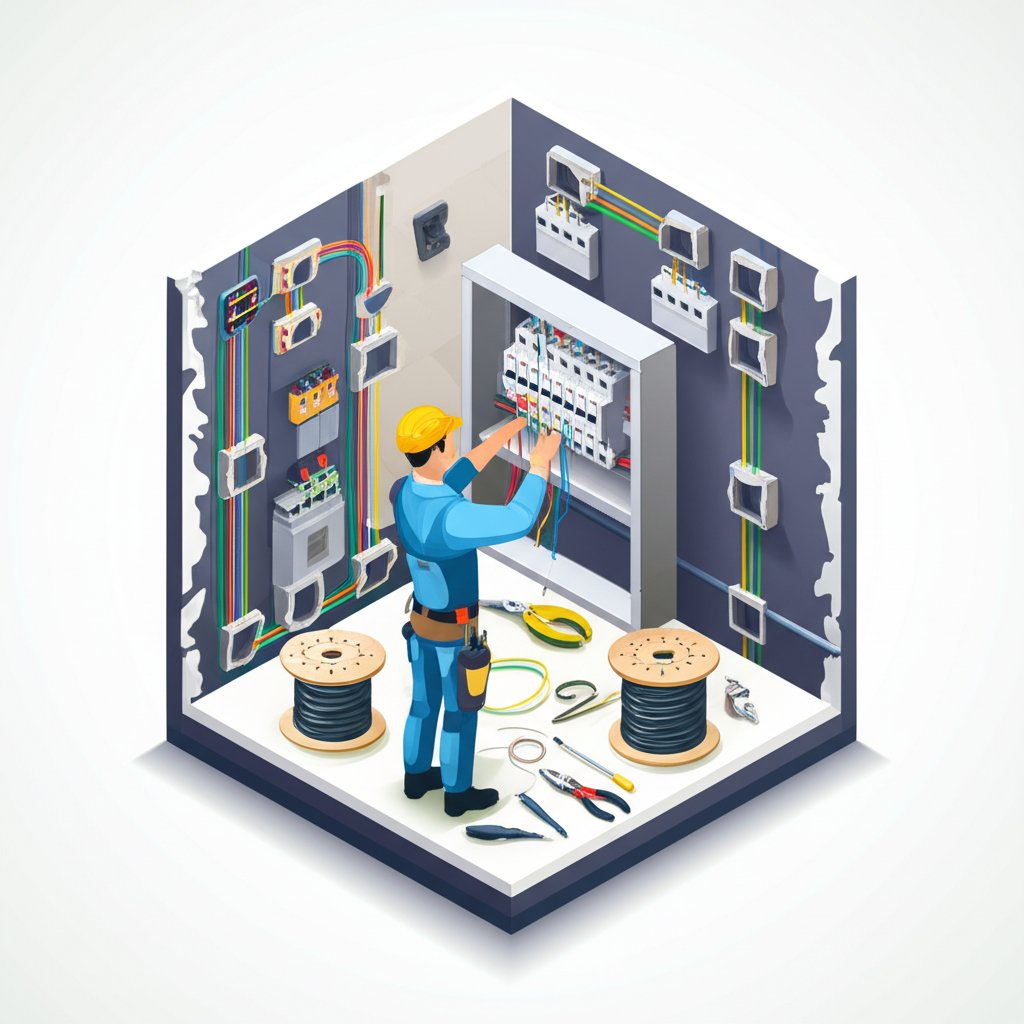
When it comes to the safety and functionality of your home, few things are as critical as your electrical system. Whether you’re facing a flickering light that’s driving you mad or planning a major renovation, finding the Best Electrician in New Bedford isn't just about getting the job done—it’s about peace of mind. You need a professional who combines expert skill with genuine trustworthiness.
This isn't just about fixing a wire; it's about ensuring your home is safe, efficient, and up to code. We’ll walk you through exactly what to look for, what questions to ask, and how to make an informed decision that protects your family and your investment.
At a Glance: Your Quick Guide to Hiring a New Bedford Electrician
- Always Prioritize Licensed Professionals: In Massachusetts, look for Class A (Master) or Class B (Journeyman) licenses for safety and compliance.
- Get Multiple Free Estimates: Most New Bedford electricians offer free quotes, allowing you to compare costs and approaches.
- Check Online Reviews: Customer feedback offers crucial insights into reliability, communication, and quality of work.
- Understand Pricing: Expect hourly rates between $42 and $63, with total costs varying by project complexity and materials.
- Don't Ignore Warning Signs: Flickering lights, tripping breakers, or burning smells demand immediate attention.
- Regular Inspections Are Key: Have your electrical system and panel checked every 3-5 years to prevent issues.
Why Trusting a Licensed Electrician Is Non-Negotiable
You might be tempted by a lower cash price from an unlicensed handyman, but when it comes to electricity, that's a gamble you simply cannot afford to take. Electrical work is inherently dangerous. One wrong connection can lead to house fires, serious injury, or even electrocution. This isn't DIY territory.
Licensed electricians undergo extensive training and rigorous examinations to ensure they understand complex wiring systems, safety protocols, and local building codes. In Massachusetts, you're typically looking for professionals holding either a Class A (Master Electrician) or Class B (Journeyman Electrician) license. A Master Electrician can design, install, and maintain electrical systems, while a Journeyman works under a Master's supervision, installing and maintaining systems. Verifying these credentials is your first line of defense for a safe, code-compliant job.
Beyond safety, a licensed electrician also offers:
- Code Compliance: They ensure all work meets the latest national and local electrical codes, protecting you from future issues during home inspections or sales.
- Insurance & Liability: Licensed pros carry liability insurance, protecting you from financial responsibility if an accident or damage occurs during the work.
- Expert Diagnosis: They can quickly and accurately diagnose complex electrical problems that would stump even the most capable DIYer.
- Warranty on Work: Many licensed electricians stand by their work with a guarantee, offering peace of mind.
Beyond the Basics: What Services Do Electricians Offer in New Bedford?
Think an electrician only fixes outlets? Think again. Modern electrical systems are complex, and a skilled professional offers a broad spectrum of services to keep your home running smoothly and safely.
1. Essential Electrical Repairs
This is often where most people start their search. Common repair needs include:
- Diagnosing Faulty Outlets or Appliances: Is an outlet dead? Does an appliance constantly trip a breaker? An electrician can pinpoint the cause.
- Fixing Non-Functioning Lights: From ceiling lights to exterior fixtures, they can troubleshoot wiring issues or switch malfunctions.
- Correcting Wiring Problems: Loose connections, frayed wires, or overloaded circuits are dangerous and require immediate professional attention.
- Emergency Service: Many reputable electricians provide 24/7 emergency services for critical issues like power outages, sparking, or burning smells.
2. System Upgrades & Modernization
As homes age and technology advances, electrical systems often need upgrading to meet increased demand and improve efficiency.
- New Wiring or Rewiring: Essential for older homes with outdated knob-and-tube or aluminum wiring, which can be fire hazards.
- Higher-Capacity Outlets: Adding dedicated 240V outlets for large appliances like electric dryers, ovens, or EV chargers.
- Panel Upgrades: Older homes often have 60-amp or 100-amp electrical panels that can't handle today's power demands. Upgrading to a 200-amp panel is a common and crucial improvement. This also ties into understanding the cost of an electrical panel upgrade.
- Smart Home Integration: Wiring for smart thermostats, lighting systems, security cameras, and automated blinds.
3. New System & Appliance Installation
When you're adding new elements to your home, proper electrical installation is key.
- Major Appliance Installation: Safely connecting dishwashers, garbage disposals, electric stoves, and other large appliances.
- Indoor & Outdoor Lighting: Installing recessed lighting, ceiling fans, landscape lighting, security lights, and motion sensors.
- Home Automation & Smart Devices: Ensuring your smart home devices are correctly wired and configured.
- Generators: Installing whole-house standby generators for uninterrupted power during outages.
4. Safety & Energy Efficiency Enhancements
Protecting your electronics and reducing your energy footprint are significant benefits of professional electrical work.
- Surge Protection: Installing whole-house surge protectors to safeguard all your electronics from power surges, which can save you significant money on replacements. This is far more effective than individual surge protector strips.
- AFCI & GFCI Breakers/Outlets: AFCI (Arc Fault Circuit Interrupter) breakers protect against electrical fires, while GFCI (Ground Fault Circuit Interrupter) outlets protect against electric shock, particularly in wet areas like bathrooms and kitchens.
- Energy-Efficient Upgrades: Electricians can recommend and install more energy-efficient lighting (like LEDs), upgrade older systems to reduce waste, and suggest ways to lower your energy bills. For a single-person household in New Bedford, average annual energy costs can hit $1,619—making energy efficiency a smart financial move.
- Electrical Inspections: Recommended every 3-5 years, a professional inspection can identify potential hazards before they become costly or dangerous problems.
How to Find & Hire the Best Electrician in New Bedford
So, you know you need an electrician. Now, how do you sift through the options to find the right one for your project? Follow these steps for a streamlined, confident hiring process.
Step 1: Start Your Research Online
The internet is your best friend here. Look for local electricians on search engines, business directories, and reputable home services platforms.
- Review Profiles: Many online platforms allow electricians to showcase their services, specialties, and experience. Look for clear descriptions of what they offer.
- Read Customer Reviews: This is invaluable. Pay attention to consistent themes in feedback—are they praised for punctuality, clear communication, fair pricing, or quality of work? Do they respond professionally to negative reviews? This can tell you a lot about their commitment to customer satisfaction.
Step 2: Verify Licenses & Insurance
Once you have a shortlist, this is your crucial due diligence step.
- Check Credentials: Massachusetts electricians should be licensed. You might find license numbers on their profile, but it's always best to independently verify. You can typically do this through the Massachusetts Division of Professional Licensure website.
- Confirm Insurance: Ask potential electricians for proof of liability and worker's compensation insurance. This protects you if there's an accident on your property or an injury to their workers.
Step 3: Request Detailed, Free Estimates
This is where the rubber meets the road. Contact several shortlisted electricians and ask for a free estimate.
- Be Specific About Your Needs: Clearly describe the work you need done. If you have photos or can provide access for an on-site visit, do so. The more information you provide, the more accurate the estimate will be.
- Compare Apples to Apples: Look beyond just the bottom line. Do estimates include materials, labor, and permit fees (if applicable)? Are they itemized? A cheaper estimate might omit critical steps or materials.
- Understand the Scope: Ensure each estimate covers the exact same scope of work. Some electricians might propose different solutions or materials, which can affect the price. Ask questions until you fully understand what each quote entails.
Step 4: Ask the Right Questions
When interviewing electricians, don't be afraid to dig deeper.
- "How long have you been in business in New Bedford?"
- "Can you provide references for similar projects?"
- "What is your warranty on parts and labor?"
- "Who will actually be doing the work, and are they licensed?"
- "What is your typical timeline for a project like this?"
- "What are your payment terms?"
- "Do you pull necessary permits?" (Crucial for larger jobs).
Step 5: Trust Your Gut (and the Contract)
After comparing estimates and answers, choose the professional you feel most comfortable with—the one who communicated clearly, demonstrated expertise, and provided a fair, transparent quote. Before any work begins, ensure you have a written contract detailing:
- The scope of work
- Materials to be used
- Total cost and payment schedule
- Timeline for completion
- Warranty information
- Proof of insurance
Decoding Electrician Costs in New Bedford
Understanding the cost factors can help you budget and evaluate estimates more effectively.
Typical Hourly Rates
The typical hourly rate for electrical contractors in New Bedford, MA, ranges between $42 and $63. This rate usually covers the electrician's time for diagnosis, repair, or installation.
Project-Based Costs
For larger, more defined projects, electricians often provide a flat-rate quote rather than an hourly rate. Total project costs depend heavily on:
- Time Required: More complex or time-consuming jobs naturally cost more.
- New Equipment Needed: The cost of materials like new wiring, circuit breakers, outlets, light fixtures, or a new electrical panel will be factored in.
- Complexity & Danger: Jobs involving intricate wiring, working in confined or dangerous spaces (e.g., attics, crawl spaces), or those requiring specialized tools or multiple electricians will incur higher fees.
- Permits: For many significant electrical projects (e.g., panel upgrades, new circuits), a permit from the city of New Bedford is required, adding a small fee to the overall cost. Your electrician should handle this.
Remember: Most electricians in New Bedford offer free estimates for new electrical work or wiring repairs. Always take advantage of this to get a clear understanding of potential costs before committing.
When to Call an Electrician: Signs You Can't Ignore
Knowing when to call a professional can save you from inconvenience, costly damage, or even danger.
Routine Concerns & Preventative Maintenance
These signs indicate your system might need an upgrade or a check-up, often before a crisis hits.
- Sudden Increase in Energy Bills: If your electricity usage hasn't changed but your bills are soaring, it could point to an inefficient or faulty electrical system. An electrician can help you identify energy hogs and recommend upgrades that can reduce energy costs.
- Flickering or Dimming Lights: Occasional flickering might be a loose bulb, but if it's widespread or consistent, it often signals an overloaded circuit or fluctuating voltage.
- Frequently Tripping Circuit Breakers: Breakers trip to prevent circuits from overloading. If a breaker trips regularly, it means the circuit is drawing too much power for its capacity, which is a fire risk. This is a clear sign you need a professional to troubleshoot frequently tripping breakers.
- Outlets Not Working Consistently: If some outlets only work intermittently, or not at all, it could indicate internal wiring issues.
- Old or Outdated Wiring: If your home is several decades old and has never had an electrical upgrade, it's wise to have an inspection. Old wiring can't handle modern loads and might lack proper grounding.
- No GFCI Outlets in Wet Areas: Bathrooms, kitchens, and outdoor areas should have GFCI outlets to prevent electrocution. If you don't have them, consider an upgrade.
Immediate Warning Signs: Turn Off Power & Call NOW!
These situations demand immediate action. If you notice any of these, turn off power to the affected area at your main breaker panel if safe to do so, and call an emergency electrician.
- Burning Smells: A burning odor coming from outlets, switches, or your electrical panel indicates overheating wires—a serious fire hazard.
- Sparks: Any sparks, flashes, or buzzing sounds from outlets, switches, or appliances are critical danger signs.
- Hot Outlets or Switch Plates: If an outlet or light switch plate feels warm or hot to the touch, it indicates overheating and potential danger.
- Mild Shock When Touching Appliances: This often points to faulty wiring or grounding issues within the appliance or the home's electrical system.
- Damage to Electrical Panel: Rust, corrosion, or visible damage to your circuit breaker panel requires urgent professional assessment.
Essential Electrical Safety Tips for Your Home
While professional work is paramount, you also play a role in maintaining a safe electrical environment.
- Install AFCI & GFCI: As mentioned, AFCI breakers protect against arc faults (a leading cause of electrical fires), and GFCI outlets protect against ground faults (electric shock). Ensure you have them in the appropriate locations.
- Whole-House Surge Protectors: These protect all your connected electronics from damaging power surges, offering superior protection compared to individual power strips.
- Avoid Overloading Outlets: Plugging too many high-power devices into a single outlet can cause overheating and trip breakers, or worse, lead to a fire.
- Never Force a Three-Prong Plug into a Two-Prong Outlet: This bypasses the grounding safety feature, leaving devices ungrounded and increasing the risk of shock. Use proper adapters only if the circuit is grounded, but it's always best to upgrade outlets to three-prong where needed.
- Keep Water Away from Electrical Devices: This seems obvious, but be extra cautious around sinks, bathtubs, and outdoor spigots.
- Regular Inspections: Schedule an electrical system and panel inspection every 3-5 years to catch potential issues before they escalate. It's a small investment for significant peace of mind.
Your Next Step: Securing Your Home's Electrical Future
Choosing the Best Electrician in New Bedford isn't a task to be taken lightly. It's about securing the safety, efficiency, and longevity of your home. By prioritizing licensed professionals, carefully vetting candidates, getting transparent estimates, and understanding the range of services available, you're well on your way to making a smart decision.
Don't wait for a crisis to strike. Whether you're upgrading an outdated system, tackling a nagging repair, or simply due for an inspection, taking proactive steps ensures your home's electrical heart beats strong and safe for years to come. Start your research today, reach out for those free estimates, and invest in the expert care your home deserves.