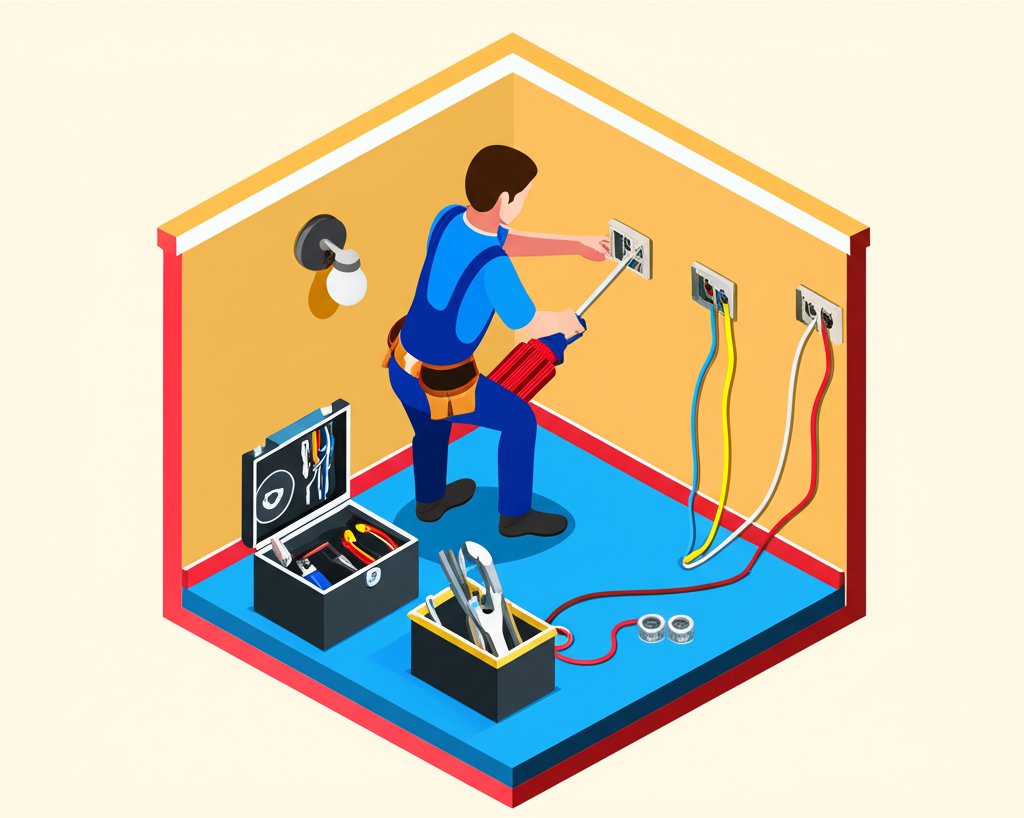
Your home's electrical system is its nervous system – vital, complex, and something you only truly notice when it's malfunctioning. When the lights flicker, an outlet shorts, or you're planning a significant upgrade, you're not just looking for "an" electrician; you're searching for the best electrician in Lynwood – someone reliable, skilled, and trustworthy.
Finding that expert amidst the myriad of local options can feel daunting. This guide is designed to cut through the noise, equipping you with the knowledge and confidence to make an informed decision for your Lynwood home. We'll demystify common electrical concerns, clarify the services you might need, and walk you through the process of choosing a top-tier professional who ensures your home is safe, efficient, and up to code.
At a Glance: Finding Your Ideal Lynwood Electrician
- Prioritize Safety First: Electrical work is inherently dangerous; never DIY beyond simple tasks.
- Verify Credentials: Always check for proper licensing, insurance, and local permits.
- Seek Reputable Professionals: Lynwood boasts many high-rated electricians – leverage reviews and referrals.
- Get Detailed Estimates: Don't settle for vague pricing; understand the full scope and cost upfront.
- Understand Common Projects: Know what to expect for typical repairs, installations, and upgrades, from stove conversions to smoke alarm issues.
- Ask the Right Questions: Empower yourself with specific inquiries about experience, timeline, and warranty.
Why a Top-Tier Electrician Isn't a Luxury, It's a Necessity
Electrical systems aren't just about turning on lights; they're the silent backbone of your home, powering everything from your morning coffee to your evening movie. When something goes wrong, it's not merely an inconvenience; it can pose serious risks, including fire hazards, electric shock, and damage to appliances.
A skilled electrician does more than fix problems; they ensure safety, code compliance, and the longevity of your home's electrical infrastructure. They're adept at diagnosing hidden issues, recommending energy-efficient solutions, and future-proofing your home against growing power demands. In Lynwood, where homes vary widely in age and electrical needs, a good electrician is an invaluable partner in maintaining your property.
Beyond the Basics: What Services Does a Lynwood Electrician Offer?
When you hear "electrician," you might think of fixing a broken light switch. But a full-service electrical contractor handles a vast array of jobs, from minor repairs to major overhauls. Understanding their scope helps you articulate your needs and find the right specialist.
Essential Electrical Services for Your Home:
- Troubleshooting & Repairs: Diagnosing flickering lights, dead outlets, tripped breakers, and other mysterious electrical issues. This is often the first call for any homeowner experiencing a problem.
- Panel Upgrades & Replacements: Modern homes demand more power than older electrical panels can provide. Upgrading your service panel is crucial for adding new appliances, EV chargers, or simply ensuring your system can handle your current needs safely.
- New Installations: Adding new outlets, light fixtures, ceiling fans, smart home devices, or even specialized wiring for hot tubs or workshops.
- Rewiring Services: For older homes with outdated or hazardous wiring (like knob-and-tube or aluminum wiring), a full or partial rewire might be necessary to meet current safety standards and support modern electrical loads.
- Lighting Solutions: From installing recessed lighting and smart dimmers to outdoor landscape lighting and security lights.
- Safety Inspections & Code Compliance: Ensuring your home's electrical system meets local and national electrical codes, which is vital for safety and often required during real estate transactions.
- Appliance Circuits: Installing dedicated circuits for high-demand appliances like refrigerators, washing machines, dryers, and electric stoves.
The Search: How to Find the Best Electrician in Lynwood
With over 31 highly-rated electricians in Lynwood, CA, according to local data, you have plenty of qualified options. The key is to narrow them down based on criteria that matter most to your specific project and peace of mind.
Step 1: Start with Referrals and Online Reviews
- Ask Around: Word-of-mouth recommendations from friends, family, or neighbors in Lynwood are gold. They've already vetted someone and can share their personal experience.
- Online Platforms: Websites like Yelp, Google Reviews, Nextdoor, and Angi (formerly Angie's List) are excellent resources. Look for electricians with a high volume of positive reviews and a consistent rating (4.5 stars and above is a good benchmark). Pay attention to comments about responsiveness, professionalism, and the quality of work.
Step 2: Verify Licenses, Insurance, and Bonding
This step is non-negotiable. Unlicensed work can be dangerous, illegal, and leave you liable for accidents.
- Licensing: In California, electricians must be licensed by the Contractors State License Board (CSLB). You can check a contractor's license number (which they should readily provide) on the CSLB website to ensure it's active and in good standing. A general electrical contractor will typically hold a C-10 license.
- Insurance: Ensure the electrician carries both liability insurance (to cover damages to your property) and workers' compensation insurance (to cover their employees in case of injury on your property). Ask for proof of insurance directly from their provider, not just a certificate from the electrician.
- Bonding: While not always mandatory for all jobs, a bonded electrician offers an extra layer of protection, meaning if they fail to complete the work or meet contract specifications, you can make a claim against their bond.
Step 3: Interview Candidates and Request Estimates
Don't settle for the first quote. Contact at least three different electricians for your project. This gives you a basis for comparison on pricing, approach, and professionalism.
- In-Person Consultation: For larger jobs, insist on an on-site visit. This allows the electrician to accurately assess the scope of work, identify potential challenges, and provide a more precise estimate.
- Detailed Written Estimates: A good estimate should break down costs for labor, materials, and any permits required. Be wary of estimates that seem too low, as they might indicate cut corners or hidden fees later on. Conversely, an excessively high quote should prompt further questions.
- Ask Pertinent Questions:
- "How long have you been in business in Lynwood?"
- "Can you provide references from recent clients?"
- "What is your project timeline?"
- "What kind of warranty do you offer on your work?"
- "Who will be performing the work, and are they employees or subcontractors?"
- "Do you handle all necessary permits?"
Step 4: Trust Your Gut
Beyond the technical qualifications, consider your comfort level. Do they communicate clearly? Are they punctual? Do they seem to genuinely listen to your concerns? A good working relationship is crucial, especially for more extensive projects.
Common Electrical Projects & What to Expect
Let's dive into some specific electrical scenarios you might encounter, drawing on expert insights to help you understand the process.
Switching from a Gas Stove to an Electric Range
Considering an upgrade to a sleek new electric range? This conversion isn't always a simple plug-and-play.
- Power Differences: Gas stoves typically only require a standard 120-volt outlet for their ignition and clock. Electric ranges, however, are power-hungry appliances, demanding a dedicated 240-volt circuit.
- The Conversion Process: An electrician will need to ensure your home has the available power on your service panel. This often involves:
- Installing a new, dedicated 240-volt circuit from your electrical panel to the kitchen.
- Replacing a two-pole circuit breaker with a single-pole breaker (if converting a 240V circuit to 120V for another use after removing an electric stove, which is the reverse of this common scenario). For adding a 240V electric stove where there was a gas one, a new two-pole breaker will be installed.
- Swapping out the existing 120-volt outlet for a new 240-volt receptacle.
- Safely capping off or removing the gas line, which might require a plumber or a dual-licensed professional.
- Permits: Depending on local Lynwood regulations, this significant electrical and possibly gas work might require permits and inspections. Your electrician should handle this.
Taming a Troublesome Hardwired Smoke Alarm
That piercing, intermittent chirp can drive anyone crazy. If your smoke alarm is hardwired (directly connected to your home's electrical system, not just battery-operated), silencing and replacing it requires a specific approach.
- Silencing vs. Deactivating: Never disable an alarm before you have a replacement unit ready. You can often reset or silence a hardwired alarm temporarily by pressing a button on the unit itself.
- Safe Removal: To safely remove a hardwired smoke alarm:
- Turn off the power: Go to your electrical panel and locate the circuit breaker that controls the smoke alarms (it might be labeled "Smoke Detectors" or be part of a general lighting circuit). Flip it off. Always double-check with a non-contact voltage tester before touching wires.
- Twist Counter-Clockwise: Most hardwired smoke alarms are mounted to a ceiling bracket. Gently twist the alarm unit counter-clockwise to detach it from its base.
- Disconnect Wires: Once detached, you'll see a wiring harness. Unplug this harness from the back of the alarm unit.
- Replacement: When installing a new alarm, reverse the steps. Ensure the new unit is compatible with your existing wiring and ideally, replace all hardwired alarms in your home at the same time for consistent protection.
What Happens During a Home Electrical Inspection?
Whether you're buying a home, selling, or just want peace of mind, an electrical inspection is a wise investment.
- Duration: A comprehensive home electrical inspection typically takes one to two hours. This allows the electrician to thoroughly examine the panel, wiring, outlets, switches, and fixtures throughout your property.
- Code Compliance Checks: If the inspection is specifically for a single repair or small addition to ensure it meets code, the process could be much quicker, potentially just a few minutes.
- Optional Add-ons: Some electricians offer additional services like infrared inspections. This advanced technique uses thermal imaging to detect "hot spots" in your electrical system that indicate overloaded circuits or loose connections, which can add time to the overall inspection.
- What They Look For: Inspectors check for outdated wiring, overloaded circuits, faulty grounding, incorrect wire sizing, damaged outlets, proper GFCI/AFCI protection, and overall panel health. They'll provide a detailed report outlining any issues and recommended repairs.
The Truth About Leaving Lights On vs. Your Electric Bill
It's a common concern: does leaving the lights on significantly inflate your electricity bill?
- Minimal Impact with Modern Bulbs: While any electricity consumption adds up, the impact of leaving lights on is generally much smaller than using high-power appliances or older, inefficient light bulbs. This is especially true if you've transitioned to modern, energy-efficient lighting.
- Savings Strategies:
- Upgrade to LED or CFL: Replacing traditional incandescent bulbs with LED (Light Emitting Diode) or CFL (Compact Fluorescent Lamp) bulbs is the single most effective way to reduce lighting costs. LEDs consume significantly less energy and last much longer.
- Smart Lighting & Switches: Installing smart lights or smart switches allows you to control lighting remotely via your smartphone, set schedules, or even integrate them with motion sensors. This ensures lights are only on when and where they're needed, further reducing consumption.
- Natural Light: Maximize natural daylight by opening blinds and curtains, reducing the need for artificial lighting during the day.
Converting a Gas Water Heater to Electric
Thinking about making the switch for your water heater? It's feasible but involves significant changes.
- Increased Power Demand: Electric water heaters require substantially more power than their gas counterparts. This means you'll likely need a dedicated 240-volt circuit, similar to an electric stove, which might necessitate an electrical panel upgrade if your current system doesn't have the capacity.
- The Conversion Process:
- Gas Line & Vent Closure: The existing gas line will need to be safely capped, and the gas vent system will be decommissioned.
- Electrical Infrastructure: An electrician will install the necessary wiring and a dedicated circuit from your electrical panel to the new water heater location.
- Plumbing Adjustments: There will be plumbing adjustments to accommodate the new unit, potentially involving water line extensions or rerouting.
- Permits & Costs: This is a major renovation involving both gas and electrical systems. Many cities, including those in the Lynwood area, will require permits for such an installation to ensure it meets safety codes. The total cost can exceed $1,500, not including the new water heater itself, due to the complexity of the electrical and plumbing work.
Understanding the Costs: What to Expect When Hiring an Electrician
Electrical work isn't cheap, but it's an investment in safety and peace of mind. Pricing can vary based on several factors.
- Type of Work: Simple repairs (like replacing an outlet) will be less expensive than complex projects (like a panel upgrade or whole-house rewiring).
- Labor Rates: Electricians typically charge by the hour, or by the job for larger projects. Rates vary based on experience, location, and the complexity of the task.
- Materials: The cost of wires, circuit breakers, outlets, fixtures, and other components contributes to the total.
- Permits: Local permits and inspection fees, where required, will add to the overall cost. Your electrician should typically include this in their quote or clearly state it as a separate item.
- Emergency Service: Expect to pay a premium for after-hours or emergency calls.
Getting a Transparent Quote: Always insist on a written, itemized estimate. This should clearly detail labor costs, materials, and any other fees. Be wary of hourly rates without an estimated total project time, or quotes that are significantly lower than others – they often lead to unexpected charges later.
Red Flags to Watch Out For
While Lynwood has many excellent electricians, it's wise to be aware of potential pitfalls.
- No License or Insurance: This is the biggest red flag. Never hire an unlicensed or uninsured individual.
- Cash-Only Demands: While some small jobs might be paid in cash, a contractor who insists on cash for a significant project, especially without a written contract, should raise immediate suspicion. It often indicates an attempt to avoid taxes or accountability.
- High-Pressure Sales Tactics: Beware of electricians who try to scare you into immediate, expensive repairs, or who offer steep "discounts" if you sign on the spot.
- Vague Estimates: If an electrician can't or won't provide a detailed, written estimate, move on.
- Lack of References or Online Presence: A reputable electrician will have a professional website, legitimate reviews, and be able to provide references.
- Unmarked Vehicles/Lack of Uniform: While not always a deal-breaker, a professional company typically invests in marked vehicles and uniforms, indicating a more established and accountable business.
Maintaining Your Home's Electrical System: Proactive Steps
Even with the best electrician, proactive maintenance can extend the life of your electrical system and prevent future issues.
- Regular Inspections: Consider a professional electrical inspection every 5-10 years, or if you've just moved into an older home.
- Don't Overload Outlets: Avoid using too many high-power appliances on a single circuit or outlet.
- Update Outdated Outlets: Replace old two-prong outlets with modern grounded (three-prong) outlets. Ensure kitchens, bathrooms, and outdoor areas have GFCI (Ground-Fault Circuit Interrupter) outlets for enhanced safety.
- Be Mindful of Flickering Lights: While sometimes harmless, persistent flickering can indicate a loose connection or an overloaded circuit. Have it checked by an electrician.
- Keep Your Panel Clear: Ensure your electrical panel is easily accessible and not blocked by storage.
Your Next Steps: Securing a Safe & Efficient Home
Finding the best electrician in Lynwood might seem like a chore, but by following these guidelines, you'll be well-equipped to choose a professional who provides safe, reliable, and high-quality electrical work. From understanding the nuances of an electric stove conversion to the critical steps of deactivating a hardwired smoke alarm, being an informed homeowner empowers you to make smarter decisions.
Don't wait for an emergency. Take the time now to research, interview, and secure a trusted electrical partner for your home. Your peace of mind, and the safety of your family, is worth the effort. Start reaching out to those highly-rated Lynwood electricians today – your home will thank you for it.