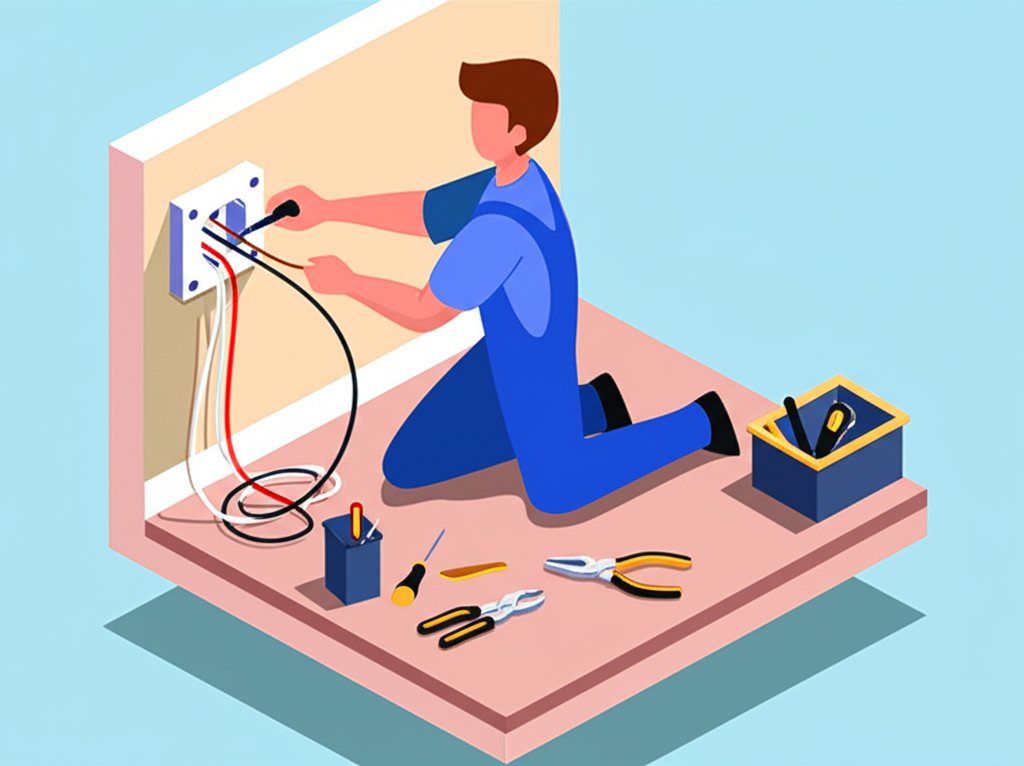
When a light flickers persistently, an outlet goes mysteriously dead, or you catch a whiff of something vaguely metallic near an electrical panel, your home isn't just sending you a message—it's often sounding an alarm. For homeowners in Loves Park, Illinois, these electrical mysteries can range from minor annoyances to serious safety hazards. That's why knowing how to find the best electrician in Loves Park isn't just about convenience; it's about protecting your biggest investment and ensuring the safety of everyone under your roof.
Navigating the world of electrical repairs and installations can feel daunting. You want expertise, reliability, fair pricing, and—above all—peace of mind. This comprehensive guide is designed to cut through the jargon, empower you with the right questions, and help you connect with qualified professionals who truly understand the unique electrical needs of our Loves Park community.
At a Glance: Your Quick Guide to Hiring a Loves Park Electrician
- Licensing is Local: Illinois doesn't have a state electrical license board. Always verify a contractor's specific license and permits with the Loves Park building department.
- Experience Matters: Look for electricians with proven residential experience, especially for older homes or complex upgrades.
- Get Detailed Quotes: Expect hourly rates generally ranging from $28 to $42 in Loves Park, but always get a written, itemized estimate.
- Safety First: Prioritize licensed, insured, and bonded professionals to protect yourself from liability and faulty work.
- Know When to Call: Don't delay for emergencies like sparks, burning smells, or frequent breaker trips. Regular inspections (every 3-5 years) are key for preventative care.
- Specialization Counts: While Loves Park has many skilled electricians, ensure your chosen pro specializes in residential services if that's what you need.
Why Your Choice of Electrician in Loves Park Really Matters
Think of your home's electrical system as its circulatory system. When everything flows smoothly, you rarely notice it. But when there's a blockage, a short circuit, or an outdated component, the consequences can be severe. From minor inconveniences like a perpetually tripped breaker to major disasters such as electrical fires or carbon monoxide leaks, faulty wiring or amateur electrical work can put your home and family at significant risk.
Hiring a qualified, experienced electrician in Loves Park means tapping into local knowledge, understanding regional building codes, and securing expertise specific to residential electrical systems. It's an investment in safety, efficiency, and the long-term value of your property. This isn't just about fixing a problem; it's about ensuring everything from your everyday appliances to your home's very foundation is powered safely and effectively.
Decoding Your Electrical Needs: When to Pick Up the Phone
Before you even begin your search, it helps to understand what kind of electrical service you need. This clarity will guide your search and allow you to ask more targeted questions.
The Urgency Scale: From Emergency to Upgrade
Some electrical issues demand immediate attention, while others can be planned.
Emergency Situations: Don't Wait, Call Now!
If you encounter any of these, don't hesitate. Cut power if safe to do so, and call an emergency electrician:
- Burning Smells or Scorching: Any unusual odor, especially one resembling burning plastic or rubber, coming from outlets, switches, or your electrical panel is a serious red flag.
- Sparks, Smoke, or Arcing: Visible sparks, smoke, or a "zap" sound from any electrical component indicates an immediate fire hazard.
- Frequent or Persistent Power Outages: If your entire home or a large section loses power repeatedly, or if you can't reset a main breaker.
- Hot Outlets or Switches: An outlet or light switch that feels warm or hot to the touch could indicate overloaded circuits or faulty wiring.
- Buzzing or Humming Sounds from the Panel: While some light buzzing can be normal, loud or persistent humming from your main electrical panel often signals a problem.
- Exposed or Damaged Wiring: If you notice frayed, cut, or otherwise exposed wires, it's a shock and fire hazard.
Routine Repairs & Diagnostics: Getting Things Back to Normal
These issues are typically less urgent but still require professional attention:
- Flickering or Dimming Lights: This could indicate loose connections, overloaded circuits, or issues with your home's overall electrical supply.
- Dead Outlets or Switches: When a specific outlet or light switch stops working, even after checking the breaker, it's time for diagnosis.
- GFCI Outlets Constantly Tripping: Ground Fault Circuit Interrupter (GFCI) outlets are crucial safety devices, especially in wet areas. If they trip frequently without an obvious cause, they need inspection.
- Circuit Breakers Tripping Regularly: While an occasional trip can happen, if a specific breaker or multiple breakers trip frequently, it suggests an overloaded circuit or a more serious wiring issue.
System Upgrades & Improvements: Modernizing for Safety and Efficiency
Many homeowners in Loves Park consider upgrades for safety, convenience, or to improve energy efficiency.
- Signs You Need an Electrical System Upgrade:
- Rising Energy Bills: If your annual energy bill, which averages around $1,156 for a one-person household in Loves Park, is inexplicably climbing, an inefficient or outdated electrical system could be a culprit.
- Hot Outlets or Appliances: As mentioned above, this is a major warning sign.
- Flickering Lights: Beyond just an annoyance, it suggests an unstable electrical supply.
- Fuses Blowing or Breakers Tripping Frequently: Your system is struggling to keep up.
- Two-Prong Outlets: If your home primarily has two-prong, ungrounded outlets, it's a strong indicator that your wiring is outdated and potentially unsafe.
- Strange Smells or Sparks: Any of these indicate immediate danger and an urgent need for an upgrade.
- Panel Upgrades: Older homes often have 60-amp or 100-amp service panels that simply can't handle today's electrical demands. Upgrading to a 200-amp panel is a common and necessary improvement.
- Rewiring: For homes with old, knob-and-tube, or aluminum wiring, a full or partial rewiring is a critical safety upgrade.
- Whole-Home Surge Protection: Individual surge protectors are good, but a whole-home unit installed at your electrical panel protects all connected electronics from power surges, preventing damage and potential fires.
- Dedicated Circuits: Modern appliances like microwaves, refrigerators, and window AC units often require their own dedicated circuits to prevent overloading.
New Installations & Remodels: Bringing Power to Your Vision
Whether you're finishing a basement or adding a new appliance, an electrician ensures everything is wired correctly and safely.
- Lighting Installations: Adding recessed lighting, ceiling fans, outdoor landscape lighting, or security lights.
- Appliance Hookups: Ensuring proper wiring and dedicated circuits for new ovens, washing machines, dryers, or water heaters.
- EV Charger Installation: With the rise of electric vehicles, many homeowners need a dedicated 240-volt circuit for faster home charging. While some local companies like Thayer Energy Solutions focus on commercial EV charger installations, residential electricians are increasingly specializing in this area for homes.
- Smart Home Integration: Wiring for smart thermostats, smart lighting systems, security cameras, and other connected devices.
- Remodeling Projects: Any renovation that involves moving walls, adding rooms, or changing the layout will likely require significant electrical work.
Preventative Maintenance & Safety Inspections: The Best Offense is a Good Defense
Don't wait for a problem to arise. Regular check-ups are vital.
- Comprehensive Home Electrical Inspections: It's recommended to have your entire electrical system inspected every 3–5 years, especially if your home is older or you've recently purchased it. An inspection can identify potential hazards before they become serious problems.
- Code Compliance Checks: Ensure your home's electrical system meets current local Loves Park and national electrical codes.
The Loves Park Electrical Landscape: What to Look For in a Pro
Now that you know what you need, let's talk about finding the right person for the job in Loves Park. This isn't a "one-size-fits-all" scenario.
1. Navigating Loves Park's Licensing & Regulations
This is perhaps the single most critical factor, and it's unique in Illinois. Illinois does not have a statewide licensing board for electrical contractors. Instead, licensing is handled at the county and city level.
- Your Action Item: You MUST contact the Loves Park building department (or the Winnebago County building department if outside city limits but still in the Loves Park vicinity) to inquire about their specific licensing and permitting requirements for electricians. Ask for verification of any electrician's license they claim to hold. A reputable electrician will be transparent about their licensing and permits.
- Why it Matters: An unlicensed electrician might cut corners, perform unsafe work, and leave you legally vulnerable if an accident occurs. Permitting ensures that the work is inspected by local authorities, verifying it meets safety standards.
2. Non-Negotiables: Insurance and Bonding
- Liability Insurance: This protects you if an electrician gets injured on your property or if their work causes damage to your home (e.g., a fire caused by faulty wiring). Never hire an electrician who can't provide proof of current liability insurance.
- Worker's Compensation: If the electrician has employees, they should carry worker's compensation insurance. This protects you from being liable if an employee is injured on your property.
- Bonding: A bonded electrician provides a financial guarantee that they will complete the job as agreed and according to code. If they fail to do so, you can file a claim against their bond.
3. Specialization Matters: Residential vs. Commercial/Industrial
Loves Park is home to a diverse range of electrical service providers, but their focus varies significantly.
- Industrial/Commercial Specialists: Companies like IKON Electric (since 2013, industrial services), William Charles Electric (industrial maintenance, traffic signals, street lighting), Thayer Energy Solutions (commercial EV charging, LED lighting), and Electrol Specialties Company (stainless steel equipment/controls since 1960s) are highly skilled in their respective niches. However, their expertise might not align with typical residential needs. Hiring an industrial electrician for a home panel upgrade is like hiring a heart surgeon for a broken arm—they're both highly skilled doctors, but in different areas.
- Residential & General Service Providers: For most homeowners, you'll want an electrician who primarily serves residential clients. Firms like Gibbons Electric, Inc. (family-owned, serving Winnebago and Boone counties), Gauerke Electric Co. (over 50 years of experience), and Bock Electric (serving homes and businesses since 1970) are examples of local companies with extensive experience that often cater to homeowners. They understand the nuances of home wiring, common residential issues, and how to work safely and efficiently in occupied spaces.
- Your Action Item: When interviewing potential candidates, explicitly ask about their experience with residential projects similar to yours.
4. Experience & Reputation: Built on Trust
Longevity in the business, like Gauerke Electric Co. with over 50 years and Bock Electric since 1970, often signals a deep understanding of local homes and a commitment to the community.
- Online Reviews: Check platforms like Google Reviews, Yelp, Angi, and the Better Business Bureau. Look beyond just the star rating; read the actual comments. Do people praise their professionalism, communication, and quality of work? Do they respond to negative feedback constructively?
- Word-of-Mouth Referrals: Ask friends, neighbors, and local real estate agents in Loves Park for recommendations. A personal referral often comes with a level of trust that online reviews can't replicate.
- Portfolio/References: For larger projects (like a whole-home rewire or major renovation), ask for references or to see examples of similar work they've completed.
Your Step-by-Step Guide to Hiring an Electrician in Loves Park
Ready to find the perfect professional? Here’s a structured approach.
Step 1: Clearly Define Your Project
Before you make any calls, write down exactly what you need. Is it a flickering light? A new outdoor outlet? A full panel upgrade? The more specific you are, the better the electrician can understand your needs and provide an accurate estimate. Take photos or even a short video of the issue if possible.
Step 2: Research Local Candidates
Start building a list of 3-5 potential electricians.
- Online Search: Use terms like "residential electrician Loves Park," "electrician near me Loves Park," or "electrical panel upgrade Loves Park."
- Local Directories: Check local business listings and community groups.
- Recommendations: Leverage your network.
Step 3: Verify Credentials & Background
This is where you confirm those non-negotiables.
- Loves Park Building Department: Call them directly to verify the electrician's license and check if they have any unresolved complaints or issues.
- Proof of Insurance: Request current certificates of insurance for both liability and worker's compensation (if applicable). Don't just take their word for it.
- Online Reputation Check: Review their BBB profile for accreditation and complaint history.
Step 4: Get Multiple, Detailed Quotes
Contact your top 2-3 candidates for an estimate.
- Expect a Site Visit: For anything beyond a very minor repair, a reputable electrician will want to visit your home to assess the situation directly. Be wary of quotes given over the phone without a visual inspection.
- Understanding Hourly Rates vs. Flat Fees:
- Hourly Rates: In Loves Park, electrical services generally range from $28 to $42 per hour. This rate covers the electrician's time.
- Flat Fees (or Per-Job Pricing): Many electricians now offer flat-rate pricing for common jobs (e.g., installing a ceiling fan, replacing an outlet). This can offer more predictability.
- What Influences the Total Cost?
- Duration: More complex or time-consuming jobs will naturally cost more.
- Materials: The cost of new wiring, panels, outlets, fixtures, and other components.
- Complexity & Danger: Jobs requiring specialized tools, intricate diagnostics, or working in confined/hazardous spaces may incur higher charges.
- Number of Workers: Larger projects might require more than one electrician, increasing the hourly labor cost.
- Emergency Service: Expect higher rates for after-hours or weekend emergency calls.
- Request an Itemized, Written Estimate: This should clearly detail labor costs, material costs, permit fees, and any other charges. Avoid vague "ballpark" figures. Ensure the quote specifies the scope of work.
Step 5: Ask the Right Questions During Consultations
Use your list of defined needs and these key questions:
- "Are you licensed to perform residential electrical work in Loves Park, and can you provide proof?"
- "Are you insured and bonded? Can I see your current certificates?"
- "How much experience do you have with projects like mine?"
- "Who will actually be performing the work? Are they your employees or subcontractors?" (Ensure their workers are also covered by insurance).
- "What is your warranty or guarantee on parts and labor?"
- "How do you handle unexpected issues or changes in the scope of work?"
- "What is your estimated timeline for completing the project?"
- "Will you pull all necessary permits for this job?" (Crucial for compliance and future resale).
- "How do you ensure dust and debris are minimized during the job?"
Step 6: Review Contracts & Terms
Once you've chosen an electrician, carefully read the contract before signing.
- Clarity: Ensure all aspects discussed are included.
- Payment Schedule: Understand when payments are due (e.g., deposit, progress payments, final payment). Avoid paying the full amount upfront.
- Completion Date: A reasonable timeframe should be specified.
- Warranty Details: Make sure the warranty on parts and labor is clearly stated.
- Dispute Resolution: Understand how disagreements would be handled.
Step 7: Maintain Open Communication
During the project, stay in touch with your electrician. If you have questions or concerns, address them promptly. A good electrician will keep you informed of their progress and any unforeseen challenges.
Understanding Electrical Service Costs in Loves Park
Budgeting for electrical work can be tricky, but understanding the factors involved will help you make informed decisions.
The Typical Loves Park Hourly Rate
As noted, the general hourly rate for electricians in Loves Park tends to fall within the $28 to $42 range. This is a broad average and can vary based on:
- Experience Level: Master electricians or those with specialized certifications might charge more.
- Company Size: Larger companies with more overhead may have slightly higher rates than a sole proprietor.
- Urgency: Emergency calls will always be priced higher due to immediate availability.
When to Expect Flat Fees
For common, straightforward tasks, many Loves Park electricians offer a flat-rate price. This eliminates the guesswork of hourly billing and can be advantageous for both parties. Examples include:
- Installing a standard ceiling fan.
- Replacing a faulty light switch or outlet.
- Adding a new dedicated circuit for a single appliance.
- Troubleshooting a simple circuit trip.
Always clarify whether you're getting an hourly rate or a flat fee upfront.
Factors Beyond the Hourly Rate
The final bill isn't just hours multiplied by a rate. Consider these additional cost drivers:
- Materials & Equipment: This is a significant portion of the cost for installations or major repairs. Think new circuit breakers, copper wiring, specific fixtures, or a new electrical panel.
- Permit Fees: For any significant work (like a panel upgrade, new wiring, or an EV charger installation), a permit from the Loves Park building department is required. The electrician usually handles this, and the fee will be passed on to you.
- Diagnostic Time: If the problem isn't immediately obvious, the electrician will spend time troubleshooting, which is billable time.
- Accessibility: Working in tight crawl spaces, attics, or behind finished walls can increase labor time and complexity.
- Hazardous Conditions: Dealing with old, dangerous wiring (like aluminum or knob-and-tube) or working in unsafe environments might incur additional charges.
- Clean-up: A professional electrician will include clean-up of their work area in their service.
Budgeting Tips for Electrical Work
- Don't Always Choose the Cheapest Bid: While cost is a factor, prioritizing the lowest price often leads to subpar work, lack of insurance, or hidden fees. Focus on value, reputation, and transparency.
- Get Itemized Bids: Insist on a detailed breakdown of labor, materials, and other costs. This helps you compare apples to apples.
- Plan Ahead for Upgrades: If you know you need a major upgrade (like a panel replacement), try to budget for it and schedule it during non-peak times if possible to potentially save money.
- Ask About Payment Plans: For large projects, some electricians may offer flexible payment options.
Keeping Your Loves Park Home Safe & Efficient
Hiring a great electrician is a fantastic start, but maintaining your electrical system is an ongoing responsibility.
The Power of Regular Inspections
Remember the recommendation: a full home electrical inspection every 3-5 years. This proactive approach by a qualified Loves Park electrician can:
- Catch Problems Early: Identify frayed wires, loose connections, or overloaded circuits before they become dangerous or expensive.
- Ensure Code Compliance: Verify your system meets current safety standards, which can be crucial for insurance and resale.
- Improve Efficiency: An inspection can highlight areas where your system is inefficient, potentially leading to lower energy bills.
Boost Your Home's Energy Efficiency
An outdated electrical system can be an energy hog. If your average annual energy bill for a single-person household in Loves Park is around $1,156, imagine how much a larger family might spend! Upgrading your system can make a real difference.
- Panel Upgrades: A modern panel can better distribute power, reducing strain and inefficiency.
- LED Lighting: Replacing old incandescent bulbs with energy-efficient LED lighting can significantly reduce your lighting costs.
- Smart Home Devices: Smart thermostats and lighting controls can optimize energy usage.
- Proper Wiring: Correctly sized and installed wiring reduces energy loss.
DIY vs. Professional: Knowing Your Limits
There are simple electrical tasks you can do yourself, like changing a lightbulb or resetting a tripped breaker. However, any task involving wiring, opening an electrical panel, or installing new fixtures should almost always be left to a professional. The risks of electric shock, fire, and improper installation are simply too high for the average homeowner. When in doubt, call an expert.
Everyday Electrical Safety Tips for Your Loves Park Home
Beyond major projects, a few simple habits can dramatically increase your home's electrical safety:
- Utilize Whole-Home Surge Protectors: While individual power strips offer some protection, a whole-home surge protector installed by an electrician at your main panel offers comprehensive defense against power spikes that can damage electronics and cause fires.
- Avoid Overloading Outlets: Never plug too many high-wattage appliances into a single outlet. Use common sense. If an extension cord feels hot, unplug it immediately.
- Never Force a Three-Prong Plug into a Two-Prong Outlet: This bypasses the ground wire, eliminating a critical safety feature and increasing the risk of shock. Use a properly wired adapter only if absolutely necessary and for a very short duration, or better yet, have an electrician install a grounded outlet.
- Regularly Check Cords and Plugs: Replace frayed, cracked, or damaged electrical cords and plugs immediately.
- Childproof Outlets: If you have young children, use tamper-resistant receptacles or outlet covers.
- Install and Maintain Smoke & Carbon Monoxide Detectors: Ensure they are working correctly, with fresh batteries, and strategically placed throughout your home.
- Use the Correct Wattage: Don't exceed the recommended wattage for light fixtures.
Common Questions About Loves Park Electricians
Let's address some typical concerns you might have.
Q: How do I verify an electrician's license in Loves Park?
A: Contact the Loves Park building department directly. They maintain records of licensed contractors and can confirm if an electrician holds the necessary local credentials and if there are any current complaints against them.
Q: What's the difference between an electrician and an electrical contractor?
A: An electrician is an individual who performs electrical work. An electrical contractor is typically a business owner who employs electricians and handles contracts, permits, and overall project management. For residential work, you'll most often hire an electrical contractor who employs licensed electricians.
Q: Can I get a free estimate?
A: Many Loves Park electricians offer free estimates for common projects. However, for complex diagnostics or extensive troubleshooting, they may charge a service fee, which might be waived if you proceed with their repair. Always clarify their policy on estimates and diagnostic fees upfront.
Q: What if I have an urgent electrical problem?
A: For emergencies like sparks, burning smells, or widespread power loss, call an electrician immediately. Many local companies offer 24/7 emergency services, though these will come at a premium rate. Prioritize safety above all else.
Q: Is it okay to go with the lowest bid?
A: While it's tempting, the lowest bid is often a red flag. It could indicate cutting corners on licensing, insurance, quality materials, or labor. Prioritize licensed, insured, and reputable electricians who provide detailed, transparent quotes over simply the cheapest option. Your safety and home's integrity are worth the investment.
Q: What kind of warranty should I expect?
A: Most reputable electricians offer a warranty on their labor (typically 1-5 years) and will honor manufacturer warranties on any parts or equipment they install. Ensure the warranty terms are clearly stated in your contract.
Your Next Steps to a Safer, Brighter Home in Loves Park
Finding the best electrician in Loves Park doesn't have to be a shot in the dark. By understanding your needs, knowing what to look for, and asking the right questions, you can confidently choose a professional who will deliver safe, reliable, and high-quality electrical work.
Start by defining your project, then research local, residential-focused electricians. Verify their licensing with the Loves Park building department, confirm their insurance, and gather at least three detailed quotes. Don't rush the process, and always prioritize safety and professionalism over the lowest price.
Your home is your sanctuary, and its electrical system is its lifeline. Invest in peace of mind by partnering with a trusted Loves Park electrician. A little due diligence now will save you a lot of headaches (and potential dangers) down the road.