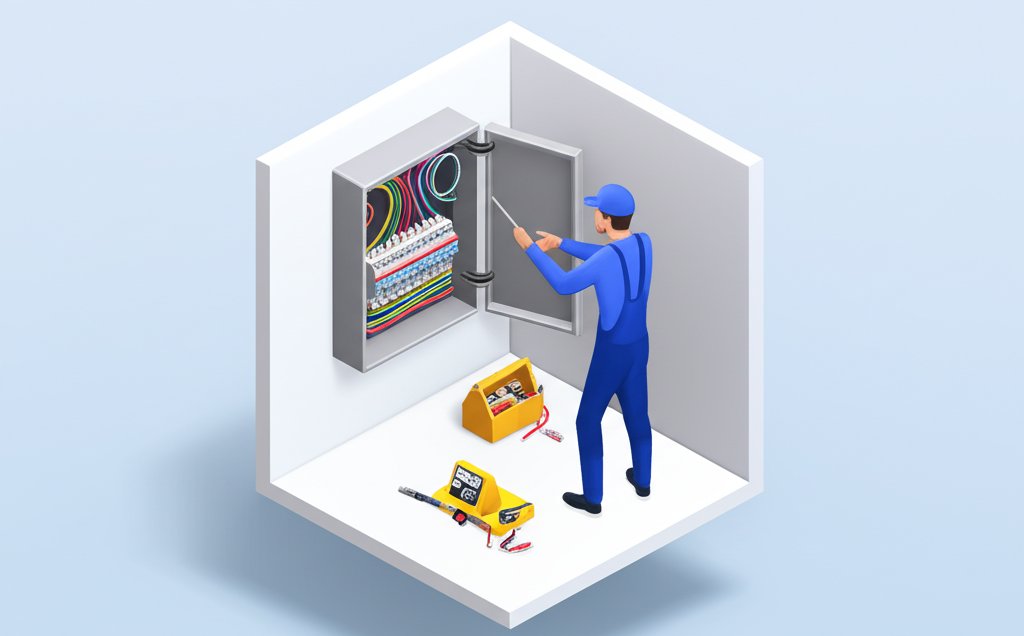
When your lights flicker, an outlet goes dead, or you're finally ready to install that EV charger, the last thing you want to worry about is finding a competent professional. You need the best electrician in Kettering—someone you can trust to get the job done right, safely, and efficiently. But what does "best" truly mean when it comes to the intricate world of home electrical service? It's more than just technical skill; it's about reliability, clear communication, transparent pricing, and unwavering adherence to safety standards.
Navigating the search for a top-tier electrician in your area can feel like a daunting task. After all, your home's electrical system is the unseen circulatory network that powers your daily life, and any misstep can lead to serious hazards or costly repairs. This comprehensive guide will equip you with the knowledge and confidence to make an informed decision, ensuring your home's electrical health is in the hands of a true professional.
At a Glance: Choosing Your Kettering Electrician
- Prioritize Licensing & Insurance: Non-negotiable for safety and legal protection.
- Check Online Reviews: Look for consistent positive feedback on reliability and professionalism.
- Seek Specific Expertise: Ensure they handle your particular project, from panel upgrades to smart home installations.
- Ask for Transparent Quotes: Understand all costs upfront, including materials and labor.
- Evaluate Communication: A good electrician explains issues clearly and keeps you informed.
- Inquire About Warranties: Reputable pros stand behind their work.
- Don't Solely Focus on Price: The cheapest bid isn't always the best value in the long run.
Why Your Home Needs a Trusted Electrical Partner
Think of your home's electrical system as its central nervous system. Every light switch, every appliance, every device plugged into an outlet relies on this intricate network. When it's functioning perfectly, you barely notice it. But when something goes wrong—a flickering light, a frequently tripping breaker, or even the smell of burning plastic—it demands immediate attention. This isn't just about convenience; it's fundamentally about safety.
Hiring a qualified, reliable electrician in Kettering isn't a luxury; it's a necessity for maintaining a safe and functional home. Amateur electrical work, or delaying necessary repairs, can lead to severe consequences, including:
- Fire Hazards: Faulty wiring, overloaded circuits, or outdated panels are leading causes of residential fires.
- Electrical Shocks: Exposed wires, improperly grounded outlets, or damaged appliances pose serious risks.
- Property Damage: Surges, shorts, and system failures can damage expensive electronics and appliances.
- Code Violations: Unlicensed work often bypasses local electrical codes, which can complicate home sales or insurance claims.
- Increased Energy Bills: Inefficient or poorly maintained systems can consume more power than necessary.
A truly exceptional electrician doesn't just fix problems; they offer solutions that enhance your home's safety, efficiency, and future readiness. From routine maintenance to complex installations, their expertise safeguards your investment and your family's well-being.
When to Call an Electrician: Beyond the Obvious Spark
It’s easy to know you need an electrician when there’s a dramatic spark or a complete power outage. But many electrical issues are more subtle, giving you clues before they escalate into major problems. Recognizing these signs early can save you time, money, and stress, not to mention significantly improve safety.
Urgent Electrical Calls (Don't Delay!)
Some situations demand immediate professional attention. If you encounter any of these, consider them red flags requiring an urgent call to a local Kettering electrician:
- Burning Smell or Smoke: Any unusual odor, especially one that smells like burning plastic or rubber, or visible smoke from outlets, switches, or your electrical panel, is an emergency.
- Frequent Breaker Trips: While an occasional trip isn't always alarming, if a specific breaker trips repeatedly, it indicates an overloaded circuit or a potentially more serious fault.
- Hot Outlets or Switches: If an outlet, switch plate, or cover feels warm to the touch, it suggests excessive heat generation and a potential fire hazard.
- Flickering or Dimming Lights: Consistent flickering or dimming lights throughout the house, or when certain appliances turn on, can point to voltage fluctuations or wiring issues.
- Sparks or Arcs: Any sparks visible when plugging in an appliance or using a switch are a serious warning sign.
- Humming or Buzzing Noises: Unusual sounds emanating from your electrical panel, outlets, or appliances can indicate loose wiring or a failing component.
- Mild Shocks: Even a minor tingling sensation when touching an appliance or switch suggests a grounding problem or faulty wiring.
Planned Upgrades & Installations: Enhancing Your Home
Beyond emergencies, there are many proactive reasons to engage a skilled electrician. Modern homes and lifestyles often require electrical systems that older houses simply weren't designed for.
- Electrical Panel Upgrades: Your electrical panel is the heart of your home's power system. As Angi experts highlight, you should consider an upgrade if your panel is over 25 years old, you're adding a new electrical system, your current system doesn't offer the power you need, or your home relies on a jungle of power strips. Electrical breaker panels typically last 25 to 40 years with proper maintenance and annual inspections. If you’re considering an upgrade to 300-amp service, Angi notes that your house panel and often your meter base are key components that must be replaced. Understanding the complexities of electrical panel upgrades is crucial for your home's safety and capacity.
- Lighting Modernization: Switching to energy-efficient LED lighting or updating dated fixtures can dramatically improve aesthetics and reduce utility bills. Canless lights, for example, are often preferred in modern homes for their slim design, easier installation, and energy efficiency, fitting well in tight spaces. Traditional can or recessed lights offer a more focused light for high ceilings or larger areas.
- Whole-House Surge Protector Installation: Protecting your valuable electronics from power surges is a smart investment. According to Angi, a whole-house surge protector requires a designated double-pole breaker (two wire terminals and two breaker slots) in your electrical panel.
- Electric Vehicle (EV) Charger Installation: As EVs become more common, installing a dedicated charging station at home requires specific electrical expertise to ensure proper voltage and safety.
- Smart Home System Integration: From smart thermostats and lighting to security systems, integrating these technologies often requires professional wiring and configuration.
- Adding New Circuits or Outlets: Whether for a new appliance, a home office, or a workshop, adding capacity safely is vital.
- Kitchen or Bathroom Remodels: These areas often require significant electrical work, including new outlets, dedicated circuits, and updated lighting.
- Electrical Inspections: A professional inspection can identify hidden issues, ensure code compliance, and provide peace of mind, especially before buying or selling a home. Routine electrical inspections can extend the life of your system.
The Hallmarks of the Best Electrician in Kettering
Finding an electrician isn't just about opening a phone book or doing a quick online search. It's about due diligence, asking the right questions, and understanding what truly sets the best apart. Here’s a detailed guide to help you identify a top-tier professional in Kettering.
1. Licensing and Insurance: Your Non-Negotiables
This is the absolute bedrock. Never, under any circumstances, hire an unlicensed or uninsured electrician.
- Licensing: In Ohio, electricians are licensed by the state. This ensures they've met specific training requirements, passed exams, and understand the National Electrical Code (NEC) and local amendments. Always ask for their license number and verify it with the appropriate state board (often the Ohio Department of Commerce, Division of Industrial Compliance).
- Insurance: A reputable electrician will carry both liability insurance and worker's compensation insurance.
- Liability Insurance: Protects you from financial responsibility if the electrician accidentally damages your home or property during their work.
- Worker's Compensation: Protects you from liability if an electrician or their employee gets injured while working on your property.
Without proper insurance, you could be held financially responsible for accidents or injuries on your property.
2. Experience and Specialization: Matching Skill to Task
Electrical work is broad. While many electricians are generalists, some specialize.
- Residential Expertise: Ensure the electrician primarily works on residential projects. Commercial electrical systems have different codes and complexities.
- Specific Project Experience: If you need a panel upgrade, ask about their experience with similar projects. If it’s an EV charger installation, confirm they're familiar with the latest charging technology and local regulations.
- Years in Business: While new businesses can be excellent, a longer track record often indicates stability, experience, and a proven ability to satisfy customers.
3. Reputation and Reviews: What Others Are Saying
In the digital age, online reviews are invaluable. They offer a window into other customers' experiences.
- Check Multiple Platforms: Look beyond a company's own website. Consult independent review sites like Google, Angi, Yelp (though the provided Yelp link was a CAPTCHA, general review searching is key), and the Better Business Bureau.
- Look for Consistency: A few negative reviews are normal for any business, but look for patterns. Do many reviews mention poor communication, missed appointments, or shoddy work? Conversely, do many highlight punctuality, professionalism, clear explanations, and quality craftsmanship?
- Pay Attention to Detail: Reviews that describe specific projects and positive outcomes are more reliable than vague praise. How did the electrician handle unforeseen issues? Was the billing transparent?
- Ask for References: For larger projects, don't hesitate to ask for references from past clients. A confident electrician will gladly provide them.
4. Transparent Communication and Pricing: No Surprises
Clarity is key from the initial consultation to the final bill.
- Detailed Estimates: Request a written estimate that itemizes all costs: labor, materials, permit fees, and any potential contingencies. Avoid estimates that seem unusually low, as they might indicate cut corners or hidden fees.
- Clear Explanations: A good electrician takes the time to explain the problem, the proposed solution, and why it's necessary in terms you can understand. They should answer your questions patiently and thoroughly.
- Upfront Pricing: Some electricians offer flat-rate pricing for common services, while others charge hourly. Understand their pricing structure before work begins.
- Permit Handling: For significant electrical work (like panel upgrades or new circuit installations), permits are usually required by the City of Kettering. A reputable electrician will know this and handle the permitting process for you. Proper permitting for home electrical installations ensures safety and compliance.
5. Professionalism and Customer Service: The Human Element
Beyond technical skill, the best electricians offer a great customer experience.
- Punctuality: They arrive on time for appointments and communicate promptly if there are delays.
- Cleanliness: They take care to protect your home from dust and debris and clean up thoroughly after the work is done.
- Respectful Demeanor: They treat you and your home with respect.
- Follow-Up: For larger projects, a follow-up call or check-in after the work is complete can be a sign of a company that truly cares about client satisfaction.
- Warranties and Guarantees: Reputable electricians stand behind their work. Ask about their warranty on parts and labor. This demonstrates confidence in their craftsmanship.
Essential Questions to Ask Before Hiring
Once you've narrowed down your list of potential candidates for the best electrician in Kettering, a brief phone conversation or initial consultation can help you make your final decision. Here are key questions to ask:
- "Are you licensed and insured?" (Always confirm their license number and ask for proof of insurance.)
- "What is your experience with [my specific project, e.g., panel upgrade, EV charger installation]?"
- "Can you provide a detailed, written estimate for the work?" (Ensure it includes labor, materials, and potential permit costs.)
- "What is your pricing structure – hourly or flat-rate?"
- "How long do you anticipate the project will take?"
- "Will you obtain all necessary permits for this job?"
- "Do you offer a warranty on your work and the parts you install?"
- "Can you provide references from recent clients?"
- "What steps do you take to ensure safety and cleanliness during the job?"
- "What is your availability for scheduling the work?"
Your comfort level with their answers, their willingness to provide information, and their overall demeanor will be strong indicators of whether they're the right fit for your home.
Common Electrical Projects & What to Expect
Understanding what certain common electrical projects entail can help you communicate more effectively with your electrician and manage your expectations.
Electrical Panel Upgrades
This is one of the most critical upgrades for an older home. An outdated panel can't handle the demands of modern appliances and electronics, leading to tripped breakers, flickering lights, and even fire hazards.
- Why Upgrade? As Angi points out, consider an upgrade if your panel is over 25 years old, you're adding major new electrical systems (like central AC or an EV charger), your current system doesn't provide enough power, or you rely heavily on power strips. The lifespan of a breaker panel is typically 25 to 40 years.
- What to Expect: The electrician will assess your current electrical load and future needs. The old panel will be replaced with a new one, potentially requiring new wiring to connect it to your home's circuits. This often involves a temporary power outage. If you’re upgrading to 300-amp service, a full panel and often meter base replacement is usually required.
- Permits: Absolutely necessary for panel upgrades.
Whole-House Surge Protector Installation
A simple yet highly effective way to safeguard your home's electronics from unexpected power surges caused by lightning, utility fluctuations, or even large appliances cycling on and off.
- Why Install? Protects TVs, computers, smart home devices, and major appliances from costly damage.
- What to Expect: As Angi explains, the surge protector is typically installed directly at your main electrical panel. It requires a dedicated double-pole breaker, taking up two slots in your panel. If you don't have space, a subpanel might be needed.
- Benefits: Offers a layer of protection far superior to individual power strip surge protectors.
Lighting Solutions: Can vs. Canless, and Beyond
Lighting impacts ambiance, functionality, and energy efficiency. Electricians can advise on and install various options.
- Canless (Recessed) Lights: Angi notes these are popular for modern homes due to their slim design, easy installation, and energy efficiency. They fit in tight spaces and require less ceiling depth, making them ideal for a sleek, minimalist look.
- Traditional Can (Recessed) Lights: These provide a more traditional aesthetic and are better for higher ceilings or areas needing stronger, more focused illumination. They generally require more installation work and ceiling space.
- Under-Cabinet Lighting: Enhances kitchen functionality and aesthetics.
- Outdoor Lighting: Improves security and curb appeal.
- Smart Lighting: Integration with smart home systems for app control, dimming, and color changes.
Electric Vehicle (EV) Charger Installation
Getting an EV charger set up correctly is vital for fast, safe charging at home.
- Types: Typically, homeowners opt for Level 2 chargers, which provide 240-volt power for significantly faster charging than a standard 120-volt outlet.
- What to Expect: The electrician will need to run a dedicated 240-volt circuit from your electrical panel to the desired charging location (often the garage). This may require upgrading your panel if it lacks the capacity.
- Permits: Often required to ensure the installation meets local electrical codes. Professional installation of EV charging cables guarantees safety and efficiency.
Avoiding Common Electrical Pitfalls
While finding the best electrician in Kettering is about identifying excellence, it's equally important to know how to avoid common mistakes that can lead to headaches, safety risks, and wasted money.
Pitfall #1: The "Too Good to Be True" Low Bid
It's tempting to go with the cheapest option, but when it comes to electrical work, this can be a grave mistake. Unlicensed individuals or less reputable companies might offer significantly lower prices because they cut corners:
- Using Substandard Materials: Cheap wires, breakers, or outlets can fail prematurely, leading to fire hazards or more expensive repairs later.
- Ignoring Code Compliance: Bypassing local electrical codes might save a few dollars upfront but can lead to failed inspections, difficulty selling your home, or even insurance complications in case of an incident.
- No Insurance or Warranty: If something goes wrong, you're left holding the bag for damages or re-work.
Best Practice: Always get at least three detailed, written estimates. Compare them not just on price, but on what's included, materials specified, and the reputation of the company.
Pitfall #2: Skipping Permits and Inspections
For most significant electrical projects (panel upgrades, new circuits, major renovations), the City of Kettering will require a permit. This isn't just red tape; it's a critical safety measure.
- Why Permits Matter: A permit ensures that the work will be inspected by a qualified city official who verifies that it meets all local and national electrical codes. This protects you and future homeowners.
- Risks of Skipping: Unpermitted work can be dangerous, may not be covered by your homeowner's insurance, and can cause significant problems when you try to sell your home.
Best Practice: Insist that your electrician handle all necessary permits and schedule inspections. A reputable professional will do this as a matter of course.
Pitfall #3: Vague Contracts or Verbal Agreements
Never allow work to begin without a clear, written contract or detailed estimate.
- What to Include: The contract should clearly outline the scope of work, materials to be used (including brand names if applicable), the total cost, payment schedule, estimated start and completion dates, warranty information, and who is responsible for cleanup.
- Avoiding Misunderstandings: A written agreement protects both you and the electrician by clearly defining expectations and responsibilities.
Best Practice: Read every document carefully before signing. Ask questions about anything you don't understand.
Pitfall #4: Lack of Communication
Poor communication can lead to delays, misunderstandings, and frustration.
- Before the Job: Ensure your electrician clearly explains the problem, the solution, and any potential challenges.
- During the Job: They should keep you informed of their progress, any unexpected issues, or potential changes to the timeline or cost.
- After the Job: They should walk you through the completed work and answer any remaining questions.
Best Practice: Choose an electrician who communicates proactively and clearly. If they seem evasive or hard to reach during the vetting process, that's a red flag.
Looking Ahead: The Future-Ready Electrical Home
Your home's electrical system isn't static; it evolves with technology and your lifestyle. The best electrician in Kettering isn't just a repair person; they're a partner who can help you plan for the future.
- Energy Efficiency Consultations: Learn how to reduce your energy consumption through smart lighting, appliance choices, and system optimization. Implementing strategies to save electricity at home is a smart financial and environmental move.
- Smart Home Planning: Integrate new technologies seamlessly and safely, ensuring your system can handle the increased demands of connected devices.
- Backup Power Solutions: Consider options like whole-house generators for peace of mind during power outages.
- Safety Upgrades: Staying informed about the latest safety standards, such as AFCI (Arc Fault Circuit Interrupter) and GFCI (Ground Fault Circuit Interrupter) outlets, is crucial.
Empowering Your Search for Kettering’s Top Electrician
Finding the best electrician in Kettering for your home is an investment in safety, efficiency, and peace of mind. By prioritizing licensing, insurance, experience, clear communication, and strong reviews, you're not just hiring a technician—you're partnering with a skilled professional who understands the critical role electricity plays in your daily life.
Don't wait for an emergency to start your search. Proactive maintenance, timely upgrades, and careful selection of your electrical partner will ensure your home's power system remains robust, safe, and ready for whatever the future holds. Start by gathering a few names, asking the right questions, and trusting your instincts. Your home deserves nothing less than the best.