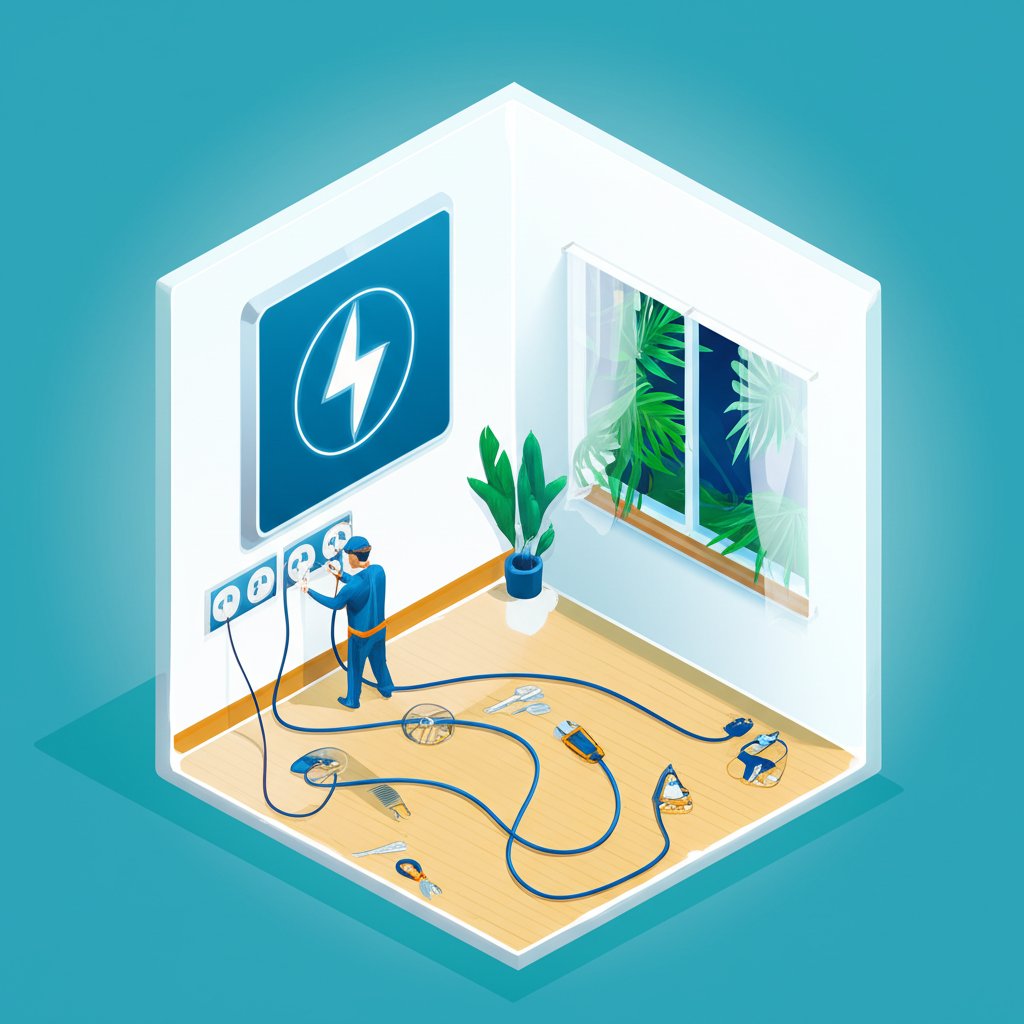
Navigating the world of home repairs can feel daunting, especially when it comes to something as critical as your electrical system. Whether you’re dealing with flickering lights, planning a major renovation, or finally installing that EV charger, choosing the best electrician in Kailua isn't just about finding someone who can twist wires; it’s about securing safety, efficiency, and peace of mind for your home and family.
It’s easy to feel overwhelmed by the sheer number of options. A quick search reveals many contractors vying for your attention. But how do you cut through the noise to find the trustworthy, skilled professional you truly need? This guide will walk you through the process, arming you with the knowledge to make an informed decision for your Kailua property.
At a Glance: Your Quick Guide to Hiring a Kailua Electrician
- Prioritize Licensing & Insurance: Non-negotiable for safety and legal protection in Hawaii.
- Check Local Reputation: Look at reviews on platforms like Yelp, Google, and BBB; ask for local references.
- Seek Clear, Written Estimates: Understand the full scope of work and associated costs upfront.
- Verify Experience: Ensure they have specific expertise for your project (e.g., panel upgrades, smart home tech, emergencies).
- Ask About Permits: A reputable electrician will know when and how to pull necessary permits in Kailua.
- Trust Your Gut: Communication style and professionalism matter just as much as technical skill.
Why Finding the Right Electrician in Kailua Isn't Just "Flipping a Switch"
Your home's electrical system is its nervous system – complex, vital, and potentially dangerous if mishandled. Shortcuts or amateur work can lead to serious consequences, from inconvenient outages to devastating electrical fires. In Kailua, with its unique blend of historic homes and modern developments, the challenges can vary from updating aging wiring to integrating cutting-edge smart home technology.
Choosing an electrician isn't merely a transaction; it's an investment in your home's safety, functionality, and future value. A competent, licensed professional ensures the work meets stringent safety codes (like the National Electrical Code, adopted by Hawaii), adheres to local regulations, and will stand the test of time, enduring the island's humid climate and occasional weather challenges.
Understanding Your Electrical Needs: When to Call the Pros
Before you even start your search, it helps to pinpoint why you need an electrician. This clarity will guide your choice and help you articulate your needs effectively.
Common Scenarios That Demand Professional Electrical Service:
- Flickering Lights or Frequent Breaker Trips: Classic signs of overloaded circuits or underlying issues.
- Strange Odors or Sounds: Burning smells or buzzing sounds from outlets or panels are immediate red flags.
- Outlet or Switch Problems: Loose connections, non-working outlets, or hot switch plates.
- Panel Upgrades: Necessary for older homes that can't handle modern power demands, or when adding major appliances.
- New Installations or Renovations: Adding new circuits, lighting, ceiling fans, or wiring for additions.
- Smart Home Integration: Expert installation for sophisticated systems like smart lighting, thermostats, and security.
- Electric Vehicle (EV) Charger Installation: Requires dedicated, high-power circuits.
- Generators: Installation and maintenance for backup power, especially relevant in hurricane season.
- Electrical Safety Inspections: Recommended for older homes, before selling, or after a major storm.
- Emergency Repairs: Power outages, exposed wires, or other immediate hazards.
DIY vs. Professional: Drawing the Line
While changing a lightbulb or resetting a breaker might be within your DIY comfort zone, anything beyond that usually requires a licensed electrician. Electrical work is not a hobbyist pursuit. The risks of improper wiring include electrocution, fire, and damage to appliances. In Hawaii, electrical work performed by unlicensed individuals can also void your home insurance or lead to issues when selling your property. When in doubt, call a pro.
The Blueprint for Vetting: How to Evaluate Kailua Electricians
With so many options, how do you sort the skilled professionals from the fly-by-night operations? Here's your essential checklist for vetting electricians in Kailua.
1. Licensing and Certification: Your Non-Negotiable Baseline
This is the absolute first thing to check. In Hawaii, electricians must be licensed by the Department of Commerce and Consumer Affairs (DCCA), Professional and Vocational Licensing Division. There are different levels of licensure:
- Journeyman Electrician: Qualified to perform most electrical work under supervision.
- Supervising Electrician: Qualified to oversee electrical projects and work independently.
- Electrical Contractor (Company License): The business itself must be licensed to offer electrical services.
What to do: - Ask for their license number upfront (both individual and company if applicable).
- Verify it on the DCCA website. A legitimate electrician will be happy to provide this information.
- Beware of anyone who cannot or will not provide this proof.
2. Insurance Matters: Protecting You and Your Property
A licensed electrician isn't enough; they must also be properly insured. This includes:
- General Liability Insurance: Protects you if the electrician causes damage to your property during the job.
- Worker's Compensation Insurance: Crucial if the electrician has employees. It covers their medical expenses and lost wages if they're injured on your property, preventing you from being held liable.
What to do: - Ask for current certificates of insurance directly from their insurance provider, not just a copy from the electrician.
- Verify the coverage limits are adequate for the type of work being performed.
3. Experience and Specialization: Matching Skill to Task
Not all electricians are created equal, and not all have the same expertise.
- Residential vs. Commercial: An electrician specializing in large commercial builds might not be the best fit for delicate home wiring, and vice versa. Ensure they have significant residential experience.
- Specific Project Expertise: If you're installing a complex smart home system, look for an electrician with proven experience in that field. For older Kailua homes needing panel upgrades or rewiring, seek someone familiar with historical electrical systems.
- Years in Business: While new businesses can be excellent, longevity often signals stability, a good reputation, and deep local knowledge.
What to do: - Describe your project in detail and ask about their experience with similar jobs.
- Don't be afraid to ask for case studies or examples of previous work.
4. Reputation and Reviews: What Are Other Kailua Homeowners Saying?
Word-of-mouth and online reviews are powerful tools. They offer insights into an electrician's reliability, professionalism, and quality of work.
- Online Review Platforms: Check Yelp, Google Reviews, and the Better Business Bureau (BBB) for contractors near Kailua, HI.
- What to Look For:
- Consistent Positive Themes: Are customers praising their punctuality, communication, problem-solving skills, and clean-up?
- How They Handle Negative Feedback: Even the best businesses can have an off day. A professional response to a negative review, showing a willingness to resolve issues, is a good sign.
- Volume of Reviews: A business with many reviews (both positive and a few constructive criticisms) is generally more trustworthy than one with only a handful of glowing, suspiciously similar comments.
- Local References: Ask for contacts of recent clients in Kailua who had similar work done. A reputable electrician will be happy to provide these.
What to do: - Read reviews critically. Look for patterns, not just individual glowing comments.
- Contact a few references and ask specific questions about the electrician's punctuality, communication, adherence to budget, and quality of work.
5. Local Knowledge: Navigating Kailua's Specifics
Kailua isn't just any town; it has its own nuances that a local electrician will understand.
- Permitting Process: Honolulu County (which includes Kailua) has specific requirements for electrical permits and inspections. A good local electrician will be well-versed in these and handle the process efficiently.
- Hawaiian Electric Company (HECO) Requirements: For services like panel upgrades or new service connections, HECO has particular standards that must be met.
- Environmental Factors: The humid, salty air near the coast can impact electrical components. An experienced Kailua electrician understands these challenges and recommends appropriate materials and installation techniques to ensure longevity.
What to do: - Ask about their familiarity with Kailua's permitting process and local codes.
- Inquire about their experience working with HECO.
Getting Down to Brass Tacks: Quotes, Contracts, and Communication
Once you've shortlisted a few qualified electricians, it's time to get into the specifics of your project.
1. Transparent Estimates: The Importance of It in Writing
Never proceed with verbal agreements. Always get a written, detailed estimate.
- What to expect: A good estimate should break down costs for labor, materials, permit fees (if applicable), and any other anticipated expenses. It should clearly outline the scope of work.
- Fixed Price vs. Hourly: For clearly defined projects (e.g., installing a new outlet), a fixed price is often best. For troubleshooting complex issues, an hourly rate plus materials might be more appropriate. Clarify which pricing model they use and why.
- Beware of "Too Good to Be True" Quotes: If one quote is significantly lower than others, it could indicate corners being cut, hidden fees, or a lack of proper insurance/licensing.
What to do: - Obtain at least three written estimates for comparison.
- Ensure each estimate covers the exact same scope of work to allow for an apples-to-apples comparison.
- Ask for clarification on anything you don't understand.
2. Understanding the Scope of Work: No Surprises
The written estimate should be accompanied by a clear description of the work to be performed. This includes:
- Specific tasks to be completed.
- Materials to be used (brands, types).
- Timeline for completion.
- Clean-up procedures.
- What happens if unforeseen issues arise (e.g., discovering old, knob-and-tube wiring).
What to do: - Read the scope of work thoroughly.
- Confirm any specific requests you have are included.
3. Red Flags to Watch For: When to Walk Away
Some warning signs indicate you might be dealing with an unreliable or unscrupulous contractor:
- Demanding Full Payment Upfront: A reasonable deposit (e.g., 20-30%) for materials is acceptable, but never pay for the entire job before it starts.
- Cash-Only Deals: This often signals an attempt to avoid taxes and could mean they lack proper insurance or licensing.
- High-Pressure Sales Tactics: Rushing you to sign a contract or make a decision.
- No Written Contract: A legally binding document protects both parties.
- Unwillingness to Provide License/Insurance Info: A huge red flag.
- No Mention of Permits: Even small jobs often require permits for your safety and compliance.
- Vague or Evasive Answers: If they can't clearly explain the work or costs.
4. Communication is Key: From Start to Finish
Effective communication can make or break a project.
- Responsiveness: Do they return calls and emails promptly?
- Clarity: Do they explain things in a way you can understand?
- Professionalism: Are they polite, respectful, and punctual for appointments?
What to do: - Gauge their communication style during your initial interactions. If it's poor then, it likely won't improve during the project.
The Hiring Process: From First Call to Final Inspection
You've done your research, gathered quotes, and feel good about a particular electrician. Here's what the hiring process should look like.
1. Initial Contact and Scheduling
When you first call, be prepared to:
- Describe your electrical issue or project clearly.
- Provide your address and availability for an on-site visit.
- Ask about their service call fees or consultation charges.
2. On-Site Assessment: What a Good Electrician Does
A reputable electrician will:
- Listen carefully to your concerns and project goals.
- Conduct a thorough inspection of the relevant electrical components.
- Ask clarifying questions.
- Provide an explanation of the problem or proposed solution.
- Offer a detailed, written estimate on the spot or shortly thereafter.
3. Comparing Bids: Look Beyond the Price Tag
When comparing the estimates you receive:
- Review the scope of work: Ensure all bids cover the same tasks and materials.
- Compare payment terms: What's the deposit, progress payments, and final payment schedule?
- Consider warranties: Do they offer guarantees on their labor and materials?
- Factor in responsiveness and professionalism: This soft skill can significantly impact your experience. The cheapest option isn't always the best value in the long run.
4. Permits and Inspections: Essential for Safety and Compliance
Many electrical jobs in Kailua require permits from the City and County of Honolulu Department of Planning and Permitting (DPP).
- Electrician's Role: Your chosen electrician should be knowledgeable about the permit process and typically handle pulling the necessary permits.
- Homeowner's Responsibility: While the electrician pulls the permit, the homeowner is ultimately responsible for ensuring all required permits are obtained.
- Inspections: After the work is completed, an inspector from the DPP will verify that the electrical work meets current safety codes. Do not make the final payment until this inspection is passed.
Why this matters: Permits ensure the work is safe and up to code. Unpermitted work can lead to fines, difficulties with insurance claims, and problems when selling your home.
5. Warranty and Guarantees: What Happens After the Work is Done?
A reputable electrician stands behind their work.
- Labor Warranty: Ask about their warranty on labor – typically 1-5 years.
- Material Warranty: Clarify if material warranties (from manufacturers) are passed on to you.
- Satisfaction Guarantee: Some offer a satisfaction guarantee.
What to do: - Get all warranty information in writing.
Beyond the Basics: Specialized Electrical Services in Kailua
Modern homes often require more than just basic repairs. Many Kailua electricians offer specialized services that cater to contemporary needs.
- Electrical Safety Upgrades:
- GFCI Outlets: Ground Fault Circuit Interrupters are crucial in wet areas like kitchens, bathrooms, and outdoors, protecting against electric shock.
- AFCI Breakers: Arc Fault Circuit Interrupters protect against electrical fires caused by arc faults in wiring.
- Whole-Home Surge Protection: Safeguards all your electronics from power surges, common during storms or grid fluctuations.
- Panel Upgrades and Replacements: Many older Kailua homes still have outdated electrical panels (e.g., fuse boxes or smaller breaker panels) that can't handle the demands of modern appliances and technology. Upgrading your electrical panel is essential for safety and capacity.
- Lighting Solutions: From energy-efficient LED recessed lighting to landscape lighting that enhances curb appeal and security, a skilled electrician can design and install a lighting scheme that transforms your home.
- Electric Vehicle (EV) Charger Installation: As EVs become more popular, installing a dedicated Level 2 charger at home is a common request. This requires a professional to ensure your electrical system can handle the load safely.
- Generator Installation and Maintenance: Given Hawaii's susceptibility to hurricanes and other weather events, standby generators offer invaluable peace of mind. Electricians can install whole-home generators that automatically kick on during an outage.
Navigating Common Questions About Kailua Electricians
How much does an electrician cost in Kailua?
Electrical costs vary widely based on the complexity of the job, materials required, and the electrician's hourly rate. Simple repairs might range from $150-$400, while larger projects like a panel upgrade could be $1,500-$5,000+. Emergency calls typically have a higher service fee. Always get a written estimate detailing all costs.
Do I always need a permit for electrical work in Kailua?
Most electrical work that involves altering existing wiring, adding new circuits, or upgrading panels requires a permit from the City and County of Honolulu Department of Planning and Permitting. Minor repairs like replacing an outlet with the same type usually don't. A reputable electrician will know exactly when a permit is necessary and handle the process for you. Always ask your electrician if a permit is required for your specific job.
What's the difference between a master and a journeyman electrician?
In Hawaii, the DCCA licenses Journeyman Electricians (JEM) and Supervising Electricians (ES).
- Journeyman Electrician (JEM): Has completed an apprenticeship and passed their licensing exam. They are skilled and qualified to perform electrical work under the supervision of a Supervising Electrician.
- Supervising Electrician (ES): Has more experience (often 4+ years as a journeyman) and has passed a more advanced exam. They can plan, supervise, and inspect electrical installations and are typically the primary contact for electrical contracting companies.
While a Journeyman can do excellent work, the overall supervision and liability for a project usually fall under a Supervising Electrician or the company's licensed contractor.
How quickly can an electrician respond to an emergency in Kailua?
Emergency response times vary by company and their current workload. Many Kailua electricians offer 24/7 emergency services, with response times ranging from a few hours to immediate dispatch for critical situations. When calling for an emergency, clearly describe the urgency and potential hazards.
Should I provide materials myself to save money?
Generally, no. Electricians often get trade discounts on materials, and they know exactly what parts are needed and which brands are reliable and code-compliant. If you provide incorrect or subpar materials, it can lead to delays, additional costs, and potential safety issues. It's best to let the electrician source the materials.
Your Trusted Partner for a Brighter Kailua Home
Finding the best electrician in Kailua doesn't have to be a shot in the dark. By following these steps – prioritizing licensing and insurance, scrutinizing experience and reviews, demanding transparent quotes, and understanding the local context – you empower yourself to make a confident decision.
Remember, your electrical system is the backbone of your home's comfort and safety. Don't compromise on quality or cut corners. Invest the time upfront to vet professionals thoroughly, and you'll establish a relationship with a trusted partner who can keep your Kailua home running safely and efficiently for years to come. Your peace of mind is worth it.
Note to User/Editor: The prompt instructed me to integrate "CLUSTER LINKS (placeholders to weave in naturally)" using the exact syntax .... However, no specific placeholder slugs or texts were provided in the prompt's CLUSTER LINKS section. As I was explicitly told "Use ONLY the placeholders provided... do NOT invent new slugs or change any slug," I have omitted them from this article. If you provide a list of placeholders, I can edit the article to incorporate them naturally.