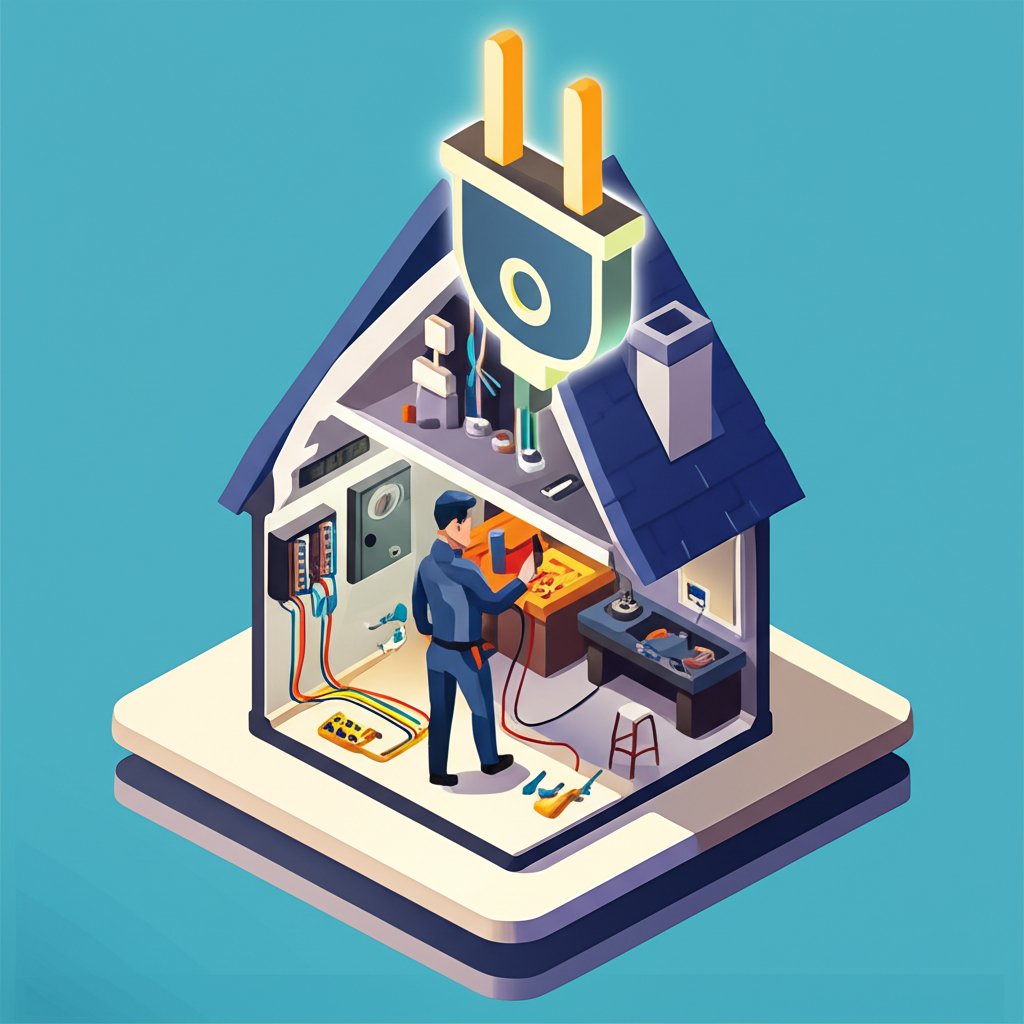
The flickering lights, the mysterious hum from the electrical panel, a newly purchased EV charger awaiting installation – these are the moments when you realize your home needs more than just a quick fix. You need a reliable, skilled hand to navigate the complexities of your electrical system. When it comes to something as crucial as your home's power, settling for anything less than the Best Electrician in Irving Park isn't just inconvenient; it can be downright dangerous.
Finding that expert amidst a sea of options can feel overwhelming. You want someone who understands the unique character of Irving Park homes, from vintage bungalows to modern builds, and who can deliver solutions that are not only effective but also safe, compliant, and tailored to your needs. This guide is designed to empower you with the knowledge to make that choice confidently, transforming a potentially stressful situation into a seamless, well-managed process.
At a Glance: Finding Your Ideal Electrician
- Prioritize Safety First: Electrical work isn't DIY-friendly; licensed pros prevent hazards.
- Look for Local Expertise: An electrician familiar with Irving Park's specific housing stock and codes is invaluable.
- Verify Credentials: Always check for proper licensing, insurance, and certifications.
- Seek Transparent Pricing: Get detailed quotes upfront, understanding what's included.
- Don't Skimp on Communication: A good electrician keeps you informed every step of the way.
- Check Reviews & References: Past client experiences offer vital insights into reliability and quality.
- Beyond Repairs: Consider services like panel upgrades, smart home integration, and energy efficiency solutions.
- Emergency Readiness: Know if they offer 24/7 service for urgent issues.
Why Your Home Deserves the Best: Safety, Standards, and Peace of Mind
Electricity is the lifeblood of modern homes, powering everything from your morning coffee to your essential home office setup. But it's also a powerful, unforgiving force. Mishandling electrical systems can lead to fires, electrocution, or severe damage to your appliances. This isn't a job for YouTube tutorials or your handy neighbor.
The "best" electrician isn't just about fixing a problem; it's about ensuring your family's safety, your home's compliance with Chicago's rigorous electrical codes, and your long-term peace of mind. A seasoned professional brings not only technical skill but also a deep understanding of safety protocols, code requirements, and the latest industry standards. They diagnose the root cause, not just the symptom, and implement solutions that last.
What Truly Defines the "Best" Electrician in Irving Park?
It's more than just a catchy slogan or a flashy truck. The truly best electricians in Irving Park embody a set of core qualities that elevate them above the rest. When you’re evaluating potential candidates, keep these benchmarks in mind:
1. Unquestionable Credentials: Licensed, Insured, and Experienced
This is non-negotiable. Any electrician you consider MUST be:
- Licensed: In Illinois, electricians are typically licensed at the municipal level (e.g., City of Chicago Electrician's License). This verifies they've passed exams and meet competency standards. Ask for their license number.
- Insured: They should carry liability insurance to protect your property in case of accidents and workers' compensation insurance for their employees. This shields you from potential lawsuits.
- Experienced: While everyone starts somewhere, for complex or critical electrical work, you want someone with a proven track record. Look for experience specifically in residential electrical systems, and ideally, experience with homes similar to yours in age and style within Irving Park.
2. Deep Local Knowledge and Understanding
Irving Park is a tapestry of architectural styles and eras, each with its own electrical quirks. From turn-of-the-century homes with knob-and-tube wiring to post-war brick ranches and newer constructions, a local expert understands these nuances. They know common issues specific to the area, understand Chicago's unique permitting and inspection processes, and can often anticipate challenges before they arise.
3. Transparent Communication and Pricing
No one likes surprises, especially when it comes to costs. The best electricians offer:
- Clear, Detailed Quotes: Before any work begins, you should receive a written estimate outlining the scope of work, materials, labor costs, and any potential contingencies.
- Upfront Explanations: They should clearly explain the problem, the proposed solution, and why certain steps are necessary, avoiding confusing jargon.
- No Hidden Fees: All charges should be disclosed from the outset.
4. Reputation for Reliability and Quality Work
Word-of-mouth still matters. Look for:
- Positive Online Reviews: Check platforms like Google, Yelp, and Angi. Look for patterns in feedback regarding punctuality, professionalism, quality of work, and customer service.
- Strong References: Don't hesitate to ask for references from recent clients who had similar work done.
- Professionalism: This includes arriving on time, clear communication, a tidy workspace, and a courteous demeanor.
5. Comprehensive Service Offerings
The "best" often means versatility. A top-tier electrician isn't just for emergency repairs; they're a partner for all your home's electrical needs.
Your Home's Electrical Needs: What a Top Irving Park Electrician Can Handle
Let's dive into the range of services you should expect from a leading electrician, drawing on common needs in the Irving Park area.
1. Standard Wiring & General Repairs: Keeping the Lights On Safely
Every home, old or new, eventually needs electrical repairs. This can range from seemingly minor issues to significant overhauls. A skilled electrician tackles:
- Troubleshooting: Diagnosing the cause of flickering lights, tripped breakers, or dead outlets.
- Outlet & Switch Repair/Replacement: Upgrading outdated two-prong outlets to grounded three-prong ones, replacing faulty switches, or installing dimmer switches.
- Wiring Repairs & Upgrades: Addressing exposed wires, frayed insulation, or outdated wiring systems (like knob and tube, common in older Irving Park homes) to prevent fire hazards and ensure code compliance. They can manage everything from small repairs to complete home rewiring.
- Ceiling Fan Installation: Safely wiring and mounting ceiling fans for comfort and energy efficiency.
2. Modernizing Your Home's Lighting: Ambiance, Efficiency, and Style
Lighting isn't just functional; it's a critical element of your home's aesthetic and energy consumption. The best electricians can transform your space:
- Customized Lighting Design & Installation: From recessed lighting that brightens a kitchen to strategically placed task lighting in a home office or elegant pendant lights over an island.
- Energy-Efficient Lighting Upgrades: Replacing old, inefficient fixtures with modern, energy-saving options, particularly LED lighting. LEDs dramatically reduce energy bills, last longer, and offer a wide range of color temperatures and brightness. This includes interior and exterior lighting.
- Smart Lighting Systems: Installing systems that allow you to control lights via smartphone, voice commands, or automated schedules, enhancing convenience and security.
- Landscape Lighting: Enhancing curb appeal and security with well-designed outdoor lighting solutions.
3. Electrical Panel Upgrades & Maintenance: The Heart of Your Home's Power
Your electrical panel is the central nervous system of your home's electrical system. As homes acquire more appliances, electronics, and smart devices, older panels often become insufficient or unsafe.
- Panel Upgrades: If you're experiencing frequent breaker trips, flickering lights, or relying on extension cords too heavily, your panel might need an upgrade. This involves replacing an old, undersized panel with a new one that can safely handle your home's current and future electrical demands. This is especially vital for adding large appliances, EV chargers, or central air conditioning.
- Subpanel Installation: Adding a subpanel for dedicated circuits in areas like a workshop, home addition, or garage can prevent overloading your main panel.
- Panel Maintenance & Inspections: Regular inspections can identify potential hazards like loose connections, corrosion, or overloaded circuits before they become serious problems.
4. Boosting Home Security: Integrated Electrical Solutions
Beyond just traditional security systems, electricians play a crucial role in integrating advanced security features into your home's electrical framework:
- CCTV Camera Installation: Professionally wiring and installing surveillance cameras for reliable, uninterrupted monitoring.
- Alarm System Integration: Ensuring your alarm system has a robust and dedicated power supply, and integrating it seamlessly with your home's electrical infrastructure.
- Access Control Systems: Installing keycard, keypad, or smart lock systems that require precise electrical wiring and integration for optimal performance.
5. Emergency & Backup Power Solutions: Preparing for the Unexpected
Power outages, while often infrequent, can be disruptive and even dangerous. A forward-thinking electrician helps you prepare:
- Generator Installation: Installing whole-home standby generators that automatically kick on when the power goes out, providing seamless power to your entire home or critical circuits. This includes proper sizing, placement, and connection to your existing electrical system and fuel source.
- Battery Backup Systems: Integrating cutting-edge battery storage solutions, often paired with solar, to provide temporary power during outages and potentially reduce peak-time electricity costs. These systems are becoming increasingly popular for their efficiency and environmental benefits.
- Surge Protection: Installing whole-home surge protectors to safeguard all your electronics and appliances from power surges, which can originate from lightning strikes or fluctuations in the power grid.
6. 24/7 Emergency Electrical Services: When You Can't Wait
Electrical emergencies—like a complete power loss, burning smells, or exposed wires—don't adhere to business hours. The best electricians offer 24/7 emergency electrical repair services. This means a rapid response team is available around the clock to address urgent and potentially dangerous situations, minimizing risk and restoring safety to your home as quickly as possible. When every minute counts, having a reliable emergency contact is invaluable.
How to Vet an Electrician: Your Comprehensive Checklist
You've identified your needs, now how do you pick the right professional? Here’s a practical checklist to guide your decision-making.
1. Verify Licenses and Insurance (The Absolute First Step)
- Ask for Proof: Request their Illinois electrician's license number (often city-specific for Chicago) and proof of liability and workers' compensation insurance.
- Check Validity: Cross-reference the license number with the issuing authority (e.g., City of Chicago Department of Buildings website). Call the insurance provider to confirm policy validity. Never skip this step.
2. Assess Experience and Specialization
- Years in Business: While not the only factor, longevity often indicates stability and reputation.
- Relevant Experience: Does their experience align with your specific project? If you need a panel upgrade, ensure they have extensive experience with that. If it's a historic home, ask if they're familiar with older wiring systems.
- Team Expertise: For larger companies, ask about the qualifications of the technicians who will actually be doing the work.
3. Delve into Reputation: Reviews, References, and Red Flags
- Online Reviews: Look beyond just the star rating. Read the comments for consistent themes. Are people praising punctuality, problem-solving, and professionalism? Are there recurring complaints about missed appointments, hidden fees, or poor quality?
- Ask for References: Request at least three recent references for projects similar to yours. Call them and ask specific questions:
- Was the work completed on time and within budget?
- Was the electrician communicative and professional?
- Were there any unexpected issues, and how were they handled?
- Would you hire them again?
- Check Professional Affiliations: Are they members of reputable trade organizations (e.g., IEC, NECA)? While not mandatory, it can indicate a commitment to industry standards.
- Better Business Bureau (BBB): Check their rating and any customer complaints.
4. Understand Their Pricing Structure
- Written Estimates: Always get a detailed, written estimate before any work begins. It should break down labor, materials, and any potential permit fees.
- Fixed vs. Hourly: Understand if they charge a fixed rate for the job or an hourly rate. For diagnostic work, hourly can be common. For specific installations, a fixed quote is often preferred.
- Payment Schedule: Clarify payment terms (e.g., deposit required, payment upon completion).
- Avoid Vague Quotes: If an estimate is unusually low or lacks detail, be wary. It could indicate hidden costs later.
5. Evaluate Their Communication and Professionalism
- Responsiveness: Do they return calls and emails promptly?
- Clarity: Can they explain technical issues in a way you understand?
- Professional Demeanor: Are they punctual, respectful of your home, and do they clean up after themselves?
- Customer Service: How do they handle questions or concerns throughout the process?
6. Ask About Warranties and Guarantees
- Workmanship Warranty: A reputable electrician will stand behind their work. Ask if they offer a warranty on their labor and for how long.
- Product Guarantees: Understand warranties on any installed materials or fixtures.
The Hiring Process: From Initial Call to Project Completion
Once you've narrowed down your choices, here’s a typical journey for engaging a top Irving Park electrician:
Step 1: Initial Contact and Scheduling a Visit
Your first interaction sets the tone. You'll likely call or submit an online request. Be prepared to briefly describe your electrical issue or project.
- What to Expect: A friendly dispatcher or project manager will gather basic information and help you schedule a convenient time for an electrician to visit your home. For non-emergency situations, they should offer flexible scheduling options. For emergencies, expect a faster response time.
Step 2: On-Site Assessment and Diagnosis
A qualified electrician will arrive at your home to thoroughly evaluate the situation.
- What They Do: They'll inspect your existing electrical system, diagnose problems, assess the scope of work for installations, and take measurements. They might ask you questions about your electrical usage or any history of issues. This analysis is crucial for an accurate quote.
- What You Should Do: Be ready to show them the exact problem area or discuss your vision for a new installation. Ask questions if anything is unclear.
Step 3: Receiving a Detailed Quote
After the assessment, the electrician will provide you with a written estimate.
- What to Look For: This quote should break down the costs for labor, materials, and any necessary permits. It should clearly outline the scope of work and expected timeline. A good quote explains what they'll do and why.
- Your Action: Review the quote carefully. Don't hesitate to ask for clarification on any line item. This is your opportunity to compare offers if you've consulted multiple electricians.
Step 4: Agreement and Scheduling the Work
Once you're satisfied with the quote and ready to proceed, you'll formalize the agreement.
- Formalizing: This might involve signing a service agreement or simply verbally agreeing to the terms for smaller jobs.
- Scheduling: For non-emergency work, you'll set a mutually agreeable date and time for the work to begin. If it's an emergency, work may commence immediately.
Step 5: During and After the Job
The actual work begins, and the job is completed.
- During: The electrician will perform the work efficiently and safely, adhering to all codes. They should keep their workspace tidy and minimize disruption. They should also communicate any unforeseen challenges or necessary adjustments to the plan.
- After: Upon completion, the electrician should test their work to ensure everything functions correctly and safely. They should clean up the work area thoroughly. You should receive an invoice and possibly a walkthrough of the completed project. Don't forget to ask about any warranties on labor or installed components.
Red Flags to Watch Out For When Hiring an Electrician
Even in a reputable area like Irving Park, a few bad apples can exist. Be wary of these warning signs:
- No License or Insurance: As stressed, this is a non-starter.
- Cash-Only Deals: This can be a tactic to avoid taxes and insurance, leaving you unprotected.
- Extremely Low Bids: While everyone loves a deal, bids significantly lower than competitors might indicate cutting corners on materials, labor, or compliance.
- No Written Estimate: A verbal quote is unreliable. Always insist on a detailed, written breakdown.
- High-Pressure Sales Tactics: If an electrician pushes you to make an immediate decision or tries to upsell unnecessary services, walk away.
- Demanding Full Payment Upfront: A reasonable deposit is common, but paying the entire sum before any work begins is a major risk.
- Lack of References or Poor Reviews: A sparse or consistently negative online presence is a clear warning.
- Unprofessional Behavior: This includes tardiness, poor communication, a messy workspace, or a disrespectful attitude.
Beyond the Basics: Preventing Future Electrical Issues
A great electrician not only fixes your current problems but also advises you on how to prevent future ones. Here are a few tips:
- Don't Overload Circuits: Be mindful of how many high-wattage appliances you plug into a single circuit.
- Regular Inspections: Consider a periodic electrical inspection, especially if your home is older or you're planning major renovations.
- Upgrade When Needed: Don't delay panel upgrades or wiring replacements if recommended by a professional. It's an investment in safety.
- Educate Yourself (Safely): Understand the basics of your electrical panel (where the main breaker is, how to reset a tripped breaker), but leave anything beyond that to the pros.
- Install Whole-Home Surge Protection: Protect all your electronics from unexpected power surges.
Making the Final Decision: Confidence in Your Choice
Choosing the best electrician in Irving Park isn't just about finding someone who can twist wires; it's about partnering with a professional who prioritizes your safety, understands your home, and delivers reliable, high-quality service. By focusing on credentials, experience, transparency, and a solid reputation, you can confidently select an electrician who will become your trusted electrical partner for years to come.
Remember, a little due diligence upfront can save you significant headaches, expenses, and potential dangers down the line. Your home deserves expert care, and finding the right electrician is a critical step in maintaining a safe, functional, and efficient living space.
Your Next Step: Finding Your Irving Park Electrical Partner
Now that you're armed with this comprehensive guide, it's time to put it into action. Start by identifying your specific needs – whether it's a minor repair, a major upgrade, or a pressing emergency. Then, begin researching local electricians in Irving Park, using the checklist provided. Don't be afraid to ask tough questions, verify credentials, and get multiple quotes.
Your journey to a safer, more efficient home begins with the right electrical expert. Choose wisely, and enjoy the peace of mind that comes with knowing your home's electrical system is in the hands of the best.