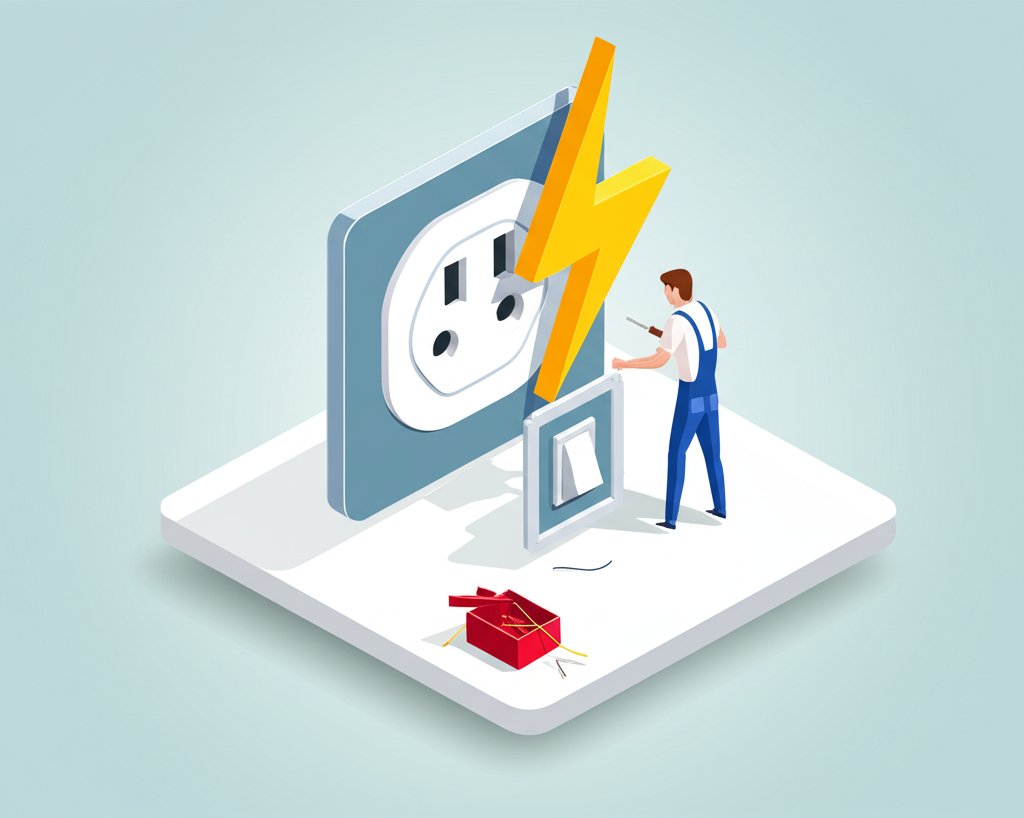
When the lights flicker, the circuit breaker trips for the third time this week, or a strange smell wafts from an outlet, it’s more than just an inconvenience—it’s a warning. Electrical issues in your home aren't just frustrating; they can be downright dangerous, posing risks of fire and shock. That's why, when you need electrical work done, you don't just need an electrician; you need the best electrician in Huntersville, a professional you can trust with your home's safety and functionality.
Finding the right expert can feel like a daunting task, but it doesn't have to be. This comprehensive guide will equip you with all the knowledge you need to make an informed decision, ensuring your Huntersville home's electrical system is in capable, licensed hands. We'll cover everything from understanding costs and common services to deciphering licenses and knowing when it's time to call in the pros.
At a Glance: Key Takeaways for Your Huntersville Electrical Needs
- Safety First: Electrical problems pose significant risks. Always prioritize professional help for anything beyond basic tasks.
- Costs Vary: Expect hourly rates between $41 and $62, with total project costs influenced by complexity, parts, and labor. Many offer free initial inspections.
- Licensing is Non-Negotiable: Ensure your electrician holds the appropriate North Carolina state and local licenses.
- Beyond Repairs: Electricians can help reduce your energy bills through upgrades and regular inspections.
- Red Flags: Don't ignore flickering lights, hot outlets, frequent tripped breakers, or strange odors—these demand immediate attention.
- Check Availability: Not all electricians offer 24/7 emergency services, so confirm this if urgent needs are a concern.
Why Your Home's Electrical System Demands Expert Attention
Think of your home's electrical system as its nervous system—a complex network that powers everything from your refrigerator to your smart home devices. When something goes awry, it disrupts daily life and can create serious hazards. A poorly executed repair or a shoddy installation isn't just a minor fix; it's a potential fire waiting to happen or a costly redo down the line.
In a vibrant community like Huntersville, where homes range from historic charmers to modern new builds, electrical systems vary widely. Each type of home presents unique challenges and requires specific expertise. Whether you're dealing with outdated wiring in an older property or integrating new smart technology, a qualified electrician understands these nuances, ensuring every job is done safely and to code.
Understanding Huntersville Electrician Costs & Services
Navigating the cost of electrical work can sometimes feel like guesswork, but with a little insight, you can set clear expectations. In Huntersville, North Carolina, the average hourly rate for a licensed electrician typically falls between $41 and $62. However, this is just one piece of the puzzle. The total cost of an electrical job isn't solely determined by hourly rates; it's a blend of several factors:
- Time & Labor: More complex or time-consuming projects naturally incur higher labor costs.
- Materials & Equipment: The cost of new wiring, outlets, panels, fixtures, or specialized equipment will be added to your bill.
- Complexity & Scope: A simple outlet repair costs less than a full panel upgrade or a complete home rewiring. Projects involving intricate troubleshooting or hazardous conditions will also increase costs.
- Team Size: Larger jobs might require a team of electricians, which impacts the overall labor expense.
Many electricians in Huntersville understand the need for clarity and often offer free inspections to evaluate your issue and provide a detailed estimate. This is an excellent opportunity to get a clear understanding of the proposed work and its associated costs before committing. When considering the cost of electrical repairs, remember that investing in quality work now can prevent more expensive and dangerous problems in the future.
Common Services Offered by Huntersville Electricians:
Huntersville electricians provide a wide array of services to keep your home safe and powered. These generally fall into a few key categories:
- Electrical Repairs: This is often the most common call. It could be anything from a dead outlet, a flickering light fixture, a broken garbage disposal, or troubleshooting why your refrigerator isn't working properly. They'll diagnose the problem and fix it efficiently.
- System Installations: Bringing new life or functionality to your home. This includes installing new lighting systems (indoor and outdoor), ceiling fans, dedicated circuits for new appliances, smart home devices, or EV charging stations.
- Electrical Upgrades: Essential for older homes or those needing more power. This covers everything from updating old, unsafe wiring, replacing outdated outlets, installing new light switches, or upgrading your electrical panel to handle modern demands.
- Surge Protection Installation: A crucial investment to safeguard your valuable electronics from power surges. Whole-home surge protectors offer superior protection compared to simple power strips.
Navigating Licensing and Certifications in North Carolina
When you're entrusting someone with your home's electrical system, their credentials are paramount. In North Carolina, electrician licensing is a rigorous process governed by both state and local authorities, ensuring a high standard of safety and competence.
- State-Level Licensing for Contractors: For any significant electrical project or contracting work, your electrician must hold a license from the North Carolina State Board of Examiners of Electrical Contractors. This license indicates they've passed comprehensive exams, demonstrated extensive experience, and meet strict regulatory standards. Always ask for their license number and verify it.
- Local Licensing for Journeymen: Cities and counties, including Huntersville, issue licenses to journeymen electricians. These individuals have completed an apprenticeship and are qualified to perform electrical work under supervision or as part of a team.
- Additional Certifications: While not always mandatory, supplementary certifications speak volumes about an electrician's dedication to their craft and ongoing education. Organizations like the National Institute for Certification in Engineering Technologies (NICET) and the International Code Council (ICC) offer certifications that demonstrate specialized expertise in areas like fire alarm systems or specific code applications. When looking for the ideal candidate, ask about their electrician certifications.
The takeaway: A licensed and insured electrician isn't just a recommendation—it's a requirement for your safety and peace of mind. Never hesitate to ask for proof of both.
When to Call an Electrician: Telltale Signs of Trouble
Ignoring electrical warning signs is like ignoring a check engine light in your car—it might work for a while, but eventually, you'll face a bigger, more expensive problem. Or worse, a dangerous one. Here are the clear indicators that it's time to call a professional:
- Rising Electricity Bills: If your utility bill keeps climbing without an increase in usage, it could signal inefficiencies or problems within your electrical system. While you might not be tracking every cost increase in other sectors, understanding your home's electrical budget is key. An electrician can inspect your system for energy leaks or faulty components.
- Flickering or Dimming Lights: Lights that dim when an appliance turns on or constantly flicker can indicate overloaded circuits, loose wiring, or an undersized electrical panel.
- Hot Outlets or Switch Plates: Outlets or switches that feel warm to the touch are a major red flag, suggesting overheating and a potential fire hazard.
- Sparks or Scorching: Any visible sparks when plugging or unplugging devices, or scorch marks around outlets, demand immediate attention.
- Frequent Tripping Circuit Breakers: Circuit breakers are designed to trip when a circuit is overloaded. If this happens frequently, especially when no new appliances have been added, it's a sign that your system is struggling.
- Strange Smells: A burning odor, often described as an acrid "fishy" smell, can indicate overheated wiring or insulation—a serious fire risk.
- Buzzing or Humming Sounds: Unusual sounds coming from outlets, switches, or your electrical panel can point to loose connections or faulty components.
What to do if you notice these signs: If any of these signs appear, especially hot outlets, sparks, or strange smells, immediately turn off the power to the affected area at your main electrical panel. Do not attempt to diagnose or fix the problem yourself. Then, contact a licensed electrician right away. While not all electricians offer 24-hour emergency electrical service, it's a crucial question to ask when selecting your primary electrical provider.
Beyond Repairs: How an Electrician Can Save You Money & Boost Efficiency
An electrician isn't just for emergencies and repairs; they're also key partners in making your Huntersville home more energy-efficient and saving you money in the long run. The average one-person household in Huntersville already spends about $1,322 per year on electricity. With the electricity rates going up in general, optimizing your home's energy use is more important than ever.
Here's how a skilled electrician can help:
- Energy-Efficient Upgrades: Upgrading to more efficient electrical systems and appliances can significantly reduce your consumption. For instance, replacing older HVAC units with modern, energy-efficient models can save the average U.S. household over $1,000 per year alone. An electrician can ensure these high-power units are correctly installed and integrated into your home's electrical system, preventing overload and maximizing efficiency.
- Lighting Upgrades: Switching to LED lighting throughout your home drastically cuts down on energy use and bulb replacement frequency. An electrician can advise on smart lighting solutions and professional installation.
- Whole-Home Surge Protection: Beyond protecting your electronics, whole-home surge protectors safeguard your entire electrical system from damaging power surges, which can extend the life of your appliances and wiring.
- Regular System Inspections: Just like your car needs a tune-up, your home's electrical system benefits from periodic checks. It's recommended to have your entire electrical system and panel inspected every 3–5 years. These inspections can identify potential issues before they become costly problems, improve efficiency, and ensure everything is up to code. An electrician can help you find tips for saving electricity tailored to your home.
Choosing the Best Electrician in Huntersville: Your Smart Checklist
With many options available, how do you pinpoint the "best" electrician for your specific needs? It comes down to asking the right questions and verifying key qualifications. Use this checklist to guide your decision:
- Verify Licensing and Insurance: As discussed, this is non-negotiable. Request their North Carolina State Board of Examiners of Electrical Contractors license number (for contractors) and local journeyman license. Confirm they carry liability insurance and workers' compensation. This protects you from financial responsibility in case of accidents or damage.
- Check Experience and Specialization: How long have they been in business? Do they have experience with your specific type of project (e.g., historic home wiring, smart home integration, panel upgrades)? Some electricians specialize, which can be a huge asset for complex jobs.
- Read Reviews and Ask for References: Online reviews on platforms like Google, Yelp, or Angi offer invaluable insights into customer experiences. Look for patterns in feedback regarding professionalism, timeliness, communication, and quality of work. Don't hesitate to ask the electrician for references from previous clients.
- Get Detailed, Written Estimates: A reputable electrician will provide a clear, itemized written estimate outlining the scope of work, labor costs, material costs, and any potential contingencies. Be wary of vague estimates or those who pressure you for an immediate decision. Remember that while free inspections are a good starting point, the detailed estimate is where the true cost transparency lies.
- Inquire About Warranties or Guarantees: A professional stands behind their work. Ask if they offer any warranty on their labor or the parts they install. This provides an extra layer of protection and peace of mind.
- Confirm Emergency Availability: If you anticipate potential urgent electrical needs, clarify whether they offer 24-hour emergency electrical service or have specific protocols for after-hours calls.
- Assess Communication and Professionalism: Pay attention to how they communicate from your first interaction. Are they punctual, polite, and clear in their explanations? Do they listen to your concerns? Good communication is key to a smooth project.
Common Electrical Questions Answered by Huntersville Pros
Even after doing your research, you might have specific questions swirling. Here are some common inquiries homeowners have, with crisp, expert answers:
Q: What's the difference between a journeyman and a master electrician?
A: A journeyman electrician has completed an apprenticeship and met state requirements for electrical work, typically under supervision. A master electrician has achieved a higher level of experience, often more than a journeyman, and has passed advanced exams, qualifying them to design, plan, and supervise electrical systems. For contracting work, you'll want a master electrician with a contractor's license.
Q: How often should I have my electrical system inspected?
A: For most homes, a comprehensive electrical inspection every 3 to 5 years is recommended. Older homes or those with significant appliance additions might benefit from more frequent checks.
Q: Can I do small electrical repairs myself to save money?
A: While changing a light bulb is fine, any work involving wiring, outlets, switches, or your electrical panel should be left to a licensed professional. Even seemingly "small" electrical tasks carry significant risks of shock, fire, and property damage if not done correctly. When you consider the potential electrical hazards at home, the cost savings aren't worth the risk.
Q: What exactly does whole-home surge protection do?
A: A whole-home surge protector is installed directly at your main electrical panel, protecting all connected appliances and electronics from damaging power surges, whether they originate from lightning strikes, utility grid fluctuations, or even powerful appliances within your own home. It’s far more effective than individual power strip protectors.
Safety First: Essential Electrical Practices for Huntersville Homeowners
While a professional electrician handles the heavy lifting, you also play a crucial role in maintaining electrical safety in your home. These simple practices can prevent common hazards:
- Install Protective Devices: As mentioned, invest in whole-home surge protection. For outlets in bathrooms, kitchens, basements, and outdoors, ensure they are Ground Fault Circuit Interrupter (GFCI) protected. These devices rapidly cut power if they detect a ground fault, preventing severe shocks.
- Avoid Overloading Outlets: Plugging too many high-power appliances into a single outlet or circuit can draw more current than the wiring can safely handle, leading to overheating, tripped breakers, and potential fires. If you need more outlets in an area, have an electrician install new ones.
- Never Use a 3-Prong Plug in a 2-Prong Outlet: This practice, often done with a "cheater plug" adapter, bypasses the critical grounding safety feature of the 3-prong plug. It eliminates the protective path for fault current, significantly increasing the risk of shock or fire. If you have older 2-prong outlets, have them upgraded to grounded 3-prong outlets by a licensed professional.
- Regularly Inspect Cords and Plugs: Check appliance cords for fraying, cracks, or damage. Replace any damaged cords immediately. Never force a plug into an outlet.
- Keep Water Away from Electricity: This is basic but critical. Never touch electrical devices or outlets with wet hands, and keep appliances away from sinks, bathtubs, and other water sources.
Making the Call: Your Next Steps to a Safer, More Efficient Home
Don't let electrical problems linger or put your family at risk. By understanding the essentials of hiring a qualified professional, recognizing warning signs, and prioritizing safety, you're well on your way to a secure and efficient home.
Take the insights from this guide, use your smart checklist, and begin reaching out to local, licensed professionals. Ask for those free inspections, compare detailed estimates, and choose an electrician who instills confidence through their expertise, professionalism, and commitment to safety. Your peace of mind—and the safety of your Huntersville home—is worth it.