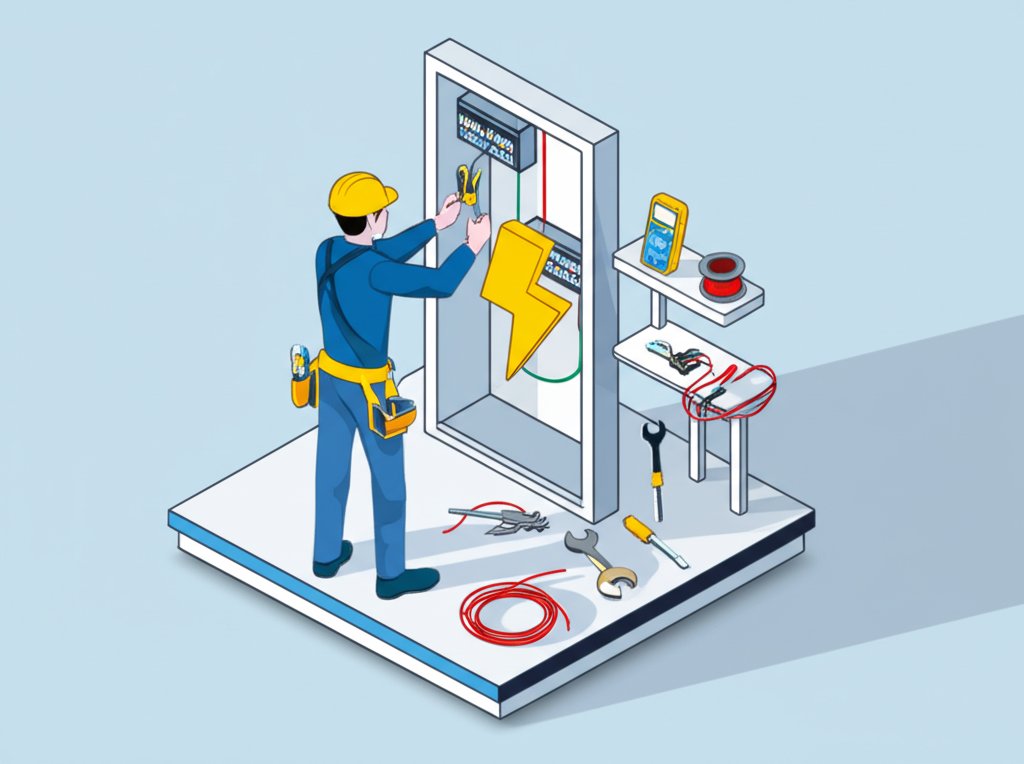
When a circuit trips or the lights flicker, you quickly realize how much you rely on a safe, functional electrical system. But finding the Best Electrician in Hopkinsville isn't just about fixing a problem; it's about investing in your home's safety, efficiency, and long-term value. From routine inspections to emergency repairs, selecting the right professional ensures peace of mind and prevents minor issues from becoming major hazards.
At a Glance: Finding Your Top Electrician in Hopkinsville
- Verify Credentials: Always check for proper licensing, insurance, and bonding in Kentucky.
- Prioritize Experience: Look for electricians with a proven track record in residential or commercial work, depending on your needs.
- Read Reviews: Online platforms like Angi and Yelp offer insights into an electrician's reputation and customer service.
- Get Multiple Quotes: Compare detailed estimates from at least three different companies.
- Ask About Warranties: A reputable electrician stands behind their work.
- Clear Communication: Choose someone who explains the problem and solution clearly, without jargon.
More Than Just Wiring: Why the Right Electrician Matters
Your electrical system is the lifeblood of your home or business, powering everything from your morning coffee to critical security systems. But it's also a complex network where mistakes can have dire consequences—think fires, electrocutions, or costly equipment damage. This isn't a DIY job, or even a task for a general handyman. It requires the specialized knowledge, tools, and adherence to strict safety codes that only a certified electrician possesses.
A top-tier electrician in Hopkinsville isn't just a repair person; they're a safety expert, a problem-solver, and a consultant who can help you make informed decisions about your property's electrical future. They understand local regulations, can diagnose hidden issues, and ensure every wire is connected, grounded, and protected according to the highest standards.
What Makes an Electrician the "Best"? Your Checklist for Quality
Not all electricians are created equal. To identify the pros from the pretenders, you need a clear set of criteria. Here’s what to prioritize when evaluating your options in Hopkinsville:
1. Licensing, Insurance, and Bonding: Non-Negotiables for Your Safety
Before anything else, confirm that any electrician you consider is properly licensed by the state of Kentucky. A license indicates they've met specific educational, experience, and examination requirements. Beyond that, verify they carry:
- General Liability Insurance: This protects you from financial responsibility if the electrician accidentally damages your property while working.
- Worker's Compensation Insurance: Crucial if the electrician has employees; it covers medical expenses and lost wages if a worker is injured on your property.
- Bonding: A bond offers a layer of financial protection, guaranteeing that if the electrician fails to complete the job or adhere to code, you have recourse.
Don't just take their word for it; ask for proof and verify policy numbers with the insurance provider.
2. Experience and Specialization: Matching Skills to Your Project
An electrician who specializes in commercial industrial wiring might not be the best fit for delicate residential smart home installations, and vice-versa.
- Residential Expertise: For most homeowners, you'll need an electrician with extensive experience in home electrical systems—troubleshooting outlets, upgrading panels, installing new lighting, or integrating smart home technology.
- Commercial Expertise: Businesses often require professionals familiar with higher voltage systems, specialized equipment wiring, and adherence to commercial building codes.
- Emergency Services: Some electricians offer 24/7 emergency call-outs, which can be invaluable when unexpected power outages or hazards strike outside business hours.
Inquire about their specific experience with projects similar to yours. A seasoned professional brings efficiency, accuracy, and foresight that newer technicians might lack.
3. Reputation and References: What Others Are Saying
Word-of-mouth and online reviews are powerful indicators of an electrician's quality and reliability.
- Online Reviews: Check platforms like Angi, Yelp, Google, and the Better Business Bureau. Look for consistent positive feedback regarding punctuality, professionalism, fair pricing, and quality of work. Be wary of companies with many generic 5-star reviews or a high number of unresolved complaints.
- Local Referrals: Ask friends, family, or neighbors in Hopkinsville if they've had positive experiences with local electricians. Personal recommendations are often the most trustworthy.
- References: A reputable electrician should be able to provide references from past clients who can speak to their experience.
4. Communication and Professionalism: A Smooth Experience
Effective communication is key to any successful project.
- Clear Explanations: Can they explain complex electrical issues in terms you understand? Do they clearly outline the scope of work, materials needed, and potential challenges?
- Responsiveness: Do they return calls promptly? Are they on time for appointments?
- Professional Demeanor: Do they present themselves professionally, respect your property, and clean up thoroughly after the job?
- Detailed Estimates: A good electrician provides a clear, written estimate that breaks down labor, materials, and any permit costs. Avoid anyone who gives only a verbal quote.
5. Warranties and Guarantees: Standing Behind Their Work
A confident electrician will offer a warranty on their labor and potentially on specific components they install. This demonstrates their faith in the quality of their work and provides you with recourse if an issue arises shortly after the service is completed. Always clarify the terms and duration of any warranties offered.
Common Electrical Services in Hopkinsville Homes
Knowing what services an electrician provides can help you articulate your needs and find the right specialist.
Troubleshooting and Repairs
These are the bread and butter of electrical work, often involving urgent fixes:
- Flickering Lights & Tripping Breakers: Diagnosing overloaded circuits, faulty wiring, or failing components.
- Outlet & Switch Repairs: Replacing non-functional outlets, installing GFCIs (Ground Fault Circuit Interrupters) in wet areas, or fixing loose connections.
- Partial or Full Power Loss: Identifying the root cause, whether it’s a problem with your utility provider, main panel, or individual circuits.
Electrical Panel Upgrades and Replacements
Your electrical panel is the heart of your home's electrical system. Modern homes demand more power than older panels can often provide.
- Increased Capacity: If you're adding major appliances (EV charger, central AC), or renovating, your current panel might not handle the increased load.
- Safety Improvements: Older fuse boxes or panels from brands like Federal Pacific Electric (FPE) often pose significant fire risks and should be replaced. Electrical breaker panels typically last 25 to 40 years, assuming proper maintenance and annual inspections. Factors like load demand and exposure to the elements can slightly reduce their lifespan, making timely upgrades essential for safety and reliability.
- Code Compliance: Upgrading ensures your system meets current electrical safety codes.
New Installations and Wiring Projects
Whether it's a small addition or a major renovation, these projects require precise planning and execution:
- Lighting Installations: Recessed lighting, under-cabinet lighting, exterior landscape lighting, or ceiling fan installation.
- Appliance Circuits: Dedicated circuits for high-demand appliances like ovens, dryers, and hot tubs.
- EV Charger Installation: Setting up the necessary 240V circuit and charging station for electric vehicles.
- Whole-Home Rewiring: Common in older homes with outdated knob-and-tube or aluminum wiring, which can be fire hazards. If your home has old outlets or metal boxes without proper grounding, an electrician can help update these, potentially adding grounding clamps, or advising on methods to ground a wire without extensive work. Each home is different, so consulting a pro is key for safe solutions.
Smart Home Integration
The convergence of technology and home comfort often requires expert electrical work:
- Smart Thermostat Wiring: Many smart thermostats require a C-wire (common wire) for continuous power. If your thermostat does not have a C-wire, a professional can check for an abandoned C-wire in the wall, install a new one, repurpose an existing G-wire, or help with a C-wire adapter kit. Some smart thermostat models don't require a C-wire, but this might limit their functionality.
- Smart Lighting & Switches: Installation and programming of smart dimmers, switches, and fixtures.
- Home Automation Systems: Ensuring all components are properly powered and integrated.
Outdoor and Specialty Electrical
From garden lighting to crucial outdoor systems:
- Landscape Lighting: Enhancing curb appeal and security with well-designed outdoor lighting.
- Pool & Hot Tub Wiring: Specific requirements for safe electrical supply in wet environments.
- Sprinkler System Wiring: Sprinkler valves typically use 16 AWG or 18 AWG wires. AWG, or American Wire Gauge, measures wire thickness (higher AWG means thinner wire). An electrician can help determine the correct gauge for replacements or new installations, often found in your system's manual.
- Generator Installation: Setting up standby or portable generator connections for emergency power.
The Hiring Process: Your Roadmap to the Right Choice
Finding the best electrician in Hopkinsville is a process, not a quick decision. Follow these steps to ensure you make an informed choice:
Step 1: Clearly Define Your Needs
Before you even start calling, know exactly what you need. Is it a flickering light, a complete panel upgrade, or installation of new outlets? The more specific you are, the better an electrician can understand the scope and provide an accurate estimate. Take photos if helpful.
Step 2: Research and Create a Shortlist
Use online resources (Angi, Yelp, Google) and local recommendations to identify 3-5 potential electricians. Look for those with good ratings and positive comments specifically mentioning their expertise in your type of project.
Step 3: Request Detailed Quotes
Contact your shortlist and request an estimate for the work. A reputable electrician will likely want to visit your home to assess the situation firsthand. When comparing quotes, don't just look at the bottom line:
- Breakdown of Costs: Does it clearly separate labor, materials, and any permit fees?
- Scope of Work: Is everything you discussed included? Are there any exclusions?
- Timeline: When can they start, and how long do they expect the job to take?
- Payment Schedule: What are the payment terms (e.g., deposit, progress payments, final payment)?
Step 4: Verify Credentials and References
Once you have quotes you're considering, perform your due diligence.
- Check Licenses: Confirm their license status with the Kentucky Department of Housing, Buildings and Construction or relevant state licensing board.
- Confirm Insurance: Ask for certificates of insurance for liability and worker's comp and call the provider to verify validity.
- Call References: If provided, speak to previous clients about their experience.
Step 5: Ask Smart Questions
Don't be afraid to ask probing questions. This shows you're an informed client and helps clarify any ambiguities.
- "What's your experience with [specific project type]?"
- "Will you pull the necessary permits for this job?" (For larger projects, permits are often legally required and ensure the work is inspected for code compliance.)
- "Who will actually be performing the work – you or an employee?"
- "What kind of warranty do you offer on parts and labor?"
- "How do you handle unexpected issues or changes during the project?"
Red Flags: When to Walk Away
While most electricians are honest and skilled, some bad apples exist. Be aware of these warning signs:
- No License or Insurance: This is a huge risk. If they're uninsured and someone gets hurt or damage occurs, you could be liable.
- Cash-Only Demands or Large Upfront Payments: While a reasonable deposit is common, be wary of anyone demanding full payment upfront, especially for larger projects.
- High-Pressure Sales Tactics: If they try to rush you into a decision or heavily disparage competitors, proceed with caution.
- Unprofessional Behavior: Poor communication, arriving late without notice, or a generally unprofessional demeanor are signs of potential issues to come.
- Vague or Evasive Answers: If they can't clearly explain the problem, the solution, or the costs, it's a sign they might not be competent or transparent.
- Door-to-Door Solicitation: Be suspicious of unsolicited offers for electrical work. Legitimate companies rarely operate this way.
- Extremely Low Bids: While saving money is good, bids significantly lower than others might indicate corner-cutting, lack of insurance, or use of substandard materials.
Your Electrical Questions, Answered by Experts
Let's address some common electrical questions directly, drawing on expert insights:
How Can You Tell if a Christmas Light Fuse is Blown?
Often, you can tell simply by looking at it. Dark staining inside the glass, resembling a burn mark, usually indicates a blown fuse. If no burn mark is evident, visually inspect the tiny filament inside. If the filament is broken or appears non-existent, the fuse is no longer usable.
How Do You Ground a Wire Without a Ground?
Updating old outlets or adding grounding clamps to a metal box are common methods. However, each home is unique. For effective and safe solutions without extensive excavation, it's best to consult an electrician for advice on the most appropriate method for your specific wiring.
What Gauge Wire for Sprinkler Valves?
Sprinkler valves typically use 16 AWG or 18 AWG wires. AWG, or American Wire Gauge, is the standard measurement for wire thickness in the U.S.; a higher AWG number means a thinner wire. You can usually find the correct gauge in your sprinkler system's user manual or on the manufacturer's website.
How Many Years Does a Breaker Panel Last?
You're in luck, as replacing a breaker panel isn't a frequent occurrence. Electrical breaker panels generally last 25 to 40 years, provided your system is properly maintained and receives annual inspections. Factors such as high load demand and exposure to the elements can slightly reduce a breaker panel’s lifespan.
What if There is No C-Wire for Your Thermostat?
If your thermostat lacks a C-wire, you have several options: hire a professional to check for an abandoned C-wire hidden in the wall, install a new C-wire, repurpose an existing G-wire to function as a C-wire, or purchase a C-wire adapter kit. Keep in mind that some smart thermostat models do not require a C-wire, but this might limit the full functionality of the smart technology.
Maintaining Your Home's Electrical System: A Proactive Approach
Once you've found a reliable electrician in Hopkinsville, building a relationship with them can be invaluable for ongoing maintenance and future projects.
- Regular Inspections: Consider having your electrical system inspected every few years, especially if your home is older or you've made significant electrical additions. These inspections can catch small issues before they become major problems.
- Don't Overload Circuits: Be mindful of how many appliances you plug into a single outlet or circuit. Overloading is a common cause of tripped breakers and can create fire hazards.
- Recognize Warning Signs: Pay attention to strange smells (burning plastic), buzzing sounds from outlets or the electrical panel, hot outlets, or frequently tripping breakers. These are all signals to call an electrician immediately.
- Know Your Limits: While changing a light bulb is fine, anything involving opening an electrical panel, running new wires, or dealing with potentially live circuits should be left to the professionals. Safety first.
Beyond the Price Tag: Understanding Cost and Value
It's natural to consider cost, but remember that electrical work is an area where "you get what you pay for" truly applies.
- Estimates vs. Final Costs: Estimates are educated guesses. While a good electrician will strive for accuracy, unforeseen issues (like discovering outdated wiring behind a wall) can sometimes lead to slight adjustments. Ensure your contract outlines how such changes are handled.
- Factors Influencing Cost:
- Scope of Work: A simple outlet repair costs less than a full panel upgrade.
- Materials: Quality, code-compliant materials are essential and factored into the price.
- Labor Rates: Varies based on experience, licensing, and overhead.
- Urgency: Emergency services typically command a higher rate.
- Permits: For larger projects, permit fees are a legal requirement and ensure inspections for safety and code adherence.
- Value of Quality Work: The "best" electrician might not always be the cheapest, but their value comes from peace of mind, adherence to safety codes, durable installations, and avoiding costly re-dos caused by shoddy workmanship. Investing in a qualified professional is an investment in your property's safety and longevity.
Making the Smart Choice for Your Hopkinsville Home
Finding the Best Electrician in Hopkinsville isn't about luck; it's about diligence, informed decision-making, and prioritizing safety and quality. By following this guide, you're empowered to ask the right questions, recognize the hallmarks of professionalism, and choose a partner who will ensure your home's electrical system is not just functional, but also safe, efficient, and up to code for years to come. Don't settle for less when it comes to something as vital as your home's electricity. Start your search with confidence, and secure the expert electrical work your property deserves.