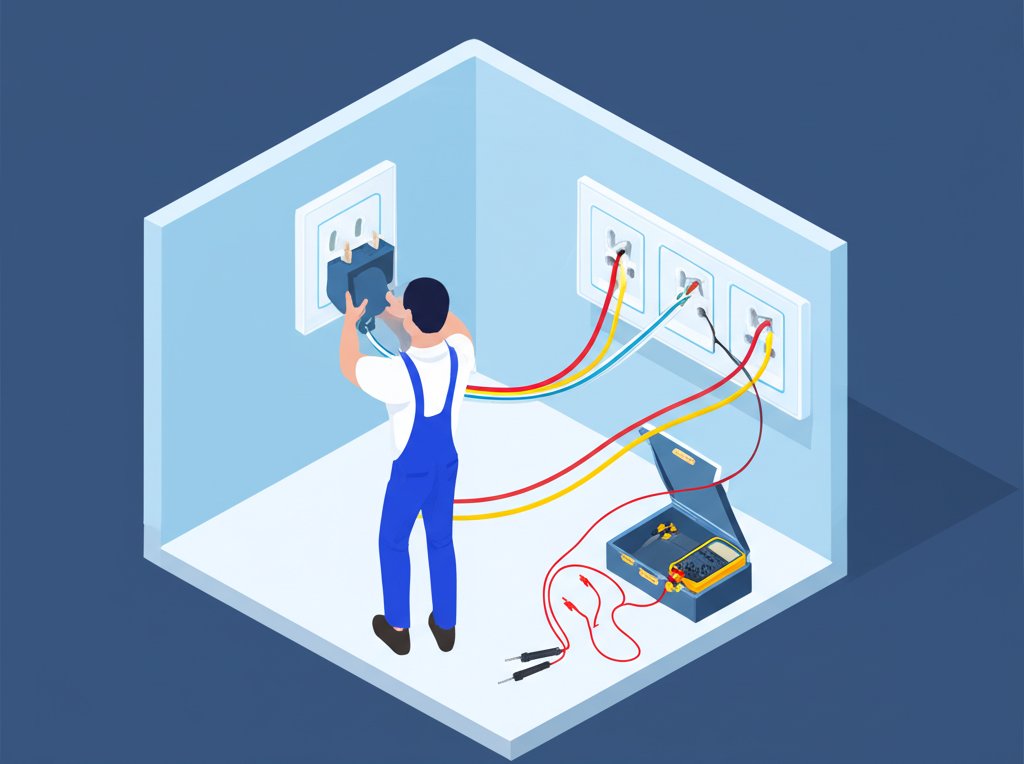
The flickering lights in your Holiday home aren't just annoying; they're a signal. They're a whisper from your electrical system, hinting at issues that range from minor inconveniences to serious safety hazards. Finding the Best Electrician in Holiday isn't just about getting a repair done; it's about investing in the safety, efficiency, and long-term value of your home. It’s about peace of mind, knowing that the wires behind your walls are handled by someone who understands their intricate dance.
This guide isn't about selling you on a specific contractor. It’s about equipping you with the knowledge to make an informed decision, understand what an electrician does, recognize when you truly need one, and ensure your home's electrical heart beats strong and safe for years to come.
At a Glance: Your Holiday Electrical Checklist
- Safety First: Immediate action needed for flickering lights, burning smells, hot outlets, or sparks. Cut power and call a pro.
- Proactive Maintenance: Get your home's electrical system and panel checked every 3–5 years.
- Smart Upgrades: Tankless water heaters can save $100+ annually; smart switches are a $20+ investment for convenience.
- Code Compliance: GFCI outlets are required in basements (finished or unfinished) and per circuit in fully finished ones. Local codes may add more.
- Licensing is Key: In Florida, Journeymen and Master electricians must be licensed by the DBPR for each city they operate in.
- Cost Expectation: Electricians in Holiday typically charge $30–$45 per hour, with total project costs varying by complexity and materials.
- DIY Limits: While you can identify hot (black) and neutral (white) wires with a non-contact tester, major work like panel upgrades is strictly for professionals.
Why a Great Electrician Matters in Holiday (More Than You Think)
Your home's electrical system is its nervous system, a complex network that powers everything from your morning coffee to your evening AC. In Holiday, where older homes meet modern demands, and extreme weather can test even the most robust systems, a reliable electrician isn't a luxury—it's a necessity.
Think beyond just fixing a broken switch. A skilled electrician safeguards your family from fire hazards, optimizes your energy consumption to save money, and ensures your home is ready for the smart technology of today and tomorrow. They’re the unsung heroes who keep your lights on, your devices charged, and your home running smoothly.
Decoding Electrical Lingo: What Your Holiday Electrician Does (And What It Means for You)
When you call an electrician, you're not just getting a handyman; you're getting a specialist whose work encompasses a wide range of services. Understanding these services helps you articulate your needs and appreciate the expertise involved.
Tackling Those Troublesome Electrical Gremlins: Repairs & Troubleshooting
This is often the most common reason people call an electrician. You might be dealing with outlets that mysteriously stop working, light fixtures that flicker like a haunted house, or circuit breakers that trip more often than a clumsy tourist.
A professional will diagnose the root cause, whether it's an overloaded circuit, a loose connection, or faulty wiring. They’ll ensure your system is repaired safely and up to code, preventing small issues from escalating into major problems. If you're noticing signs of deeper electrical problems like persistent flickering or strange odors, don't delay in calling for assistance. For urgent situations, many electricians also provide emergency electrical repairs to address immediate safety concerns.
Modernizing Your Home: Upgrades & New Installations
The electrical demands of a modern Holiday home are far greater than those of decades past. An electrician helps your home keep pace.
Panel Upgrades: Powering Your Modern Life
Perhaps the most significant upgrade is your electrical panel. If your home still relies on an outdated 100-amp panel, you might experience frequent breaker trips when running multiple appliances. Upgrading from a 100-amp to a 200-amp panel isn't a simple swap of a circuit breaker; it typically requires replacing the entire circuit box and updating the main electrical service coming into your home. This is a substantial job that absolutely requires a licensed electrician to ensure safe installation and compliance with the National Electric Code. Understanding the cost of an electrical panel upgrade is crucial for budgeting this essential modernization.
Embracing Smart Home Technology
The convenience and efficiency of smart home electrical solutions are undeniable. Basic smart light switches, for example, start around $20 and offer a worthwhile investment in comfort and security. While some homeowners with electrical knowledge might attempt self-installation, an electrician can ensure proper setup, integration, and that all wiring is up to current standards. They can help you plan and implement a truly connected home, from smart lighting to automated blinds.
Tankless Water Heaters: Endless Hot Water, Smarter Bills
Considering a tankless water heater installation? You're in good company. These energy-efficient units heat water on demand, meaning they don't constantly draw power to keep a tank full. Far from increasing your electricity bill, their efficiency can actually save you money. The Department of Energy estimates potential savings of $100 or more annually, a welcome relief for any homeowner in Holiday.
Crucial Safety Upgrades: GFCI, AFCI, and Surge Protection
Modern electrical codes are designed with safety in mind. An electrician can install or update essential safety devices:
- GFCI (Ground-Fault Circuit Interrupter) Outlets: These outlets detect ground faults and quickly shut off power to prevent electric shock. The National Electric Code mandates at least one GFCI outlet in every section of a basement, whether finished or unfinished. In fully finished basements, at least one GFCI outlet is required per circuit. Local Holiday ordinances might even have additional requirements, so your electrician will ensure full compliance.
- AFCI (Arc-Fault Circuit Interrupter) Circuit Breakers: AFCIs protect against arc faults, which can cause electrical fires. They’re designed to detect dangerous electrical arcs that traditional circuit breakers might miss.
- Whole-Home Surge Protectors: While individual power strips offer some protection, a whole-home surge protection system installed at your electrical panel offers comprehensive defense against power surges caused by lightning, utility fluctuations, or large appliance cycling. This protects all your sensitive electronics and major appliances, a wise investment in Florida's storm-prone environment. Understanding the benefits of both GFCI and AFCI outlets can significantly enhance your home's safety.
Powering Your Future: Appliance & EV Charger Installations
Adding a new electric appliance, setting up specialized lighting, or installing an electric vehicle (EV) charging station? These often require dedicated circuits and professional wiring to ensure they operate safely and efficiently without overloading your existing system. An electrician can assess your current setup and make the necessary modifications.
Signs You Need to Call an Electrician in Holiday ASAP
Ignoring electrical warning signs is akin to ignoring a smoke detector—it’s simply not worth the risk. Prompt action can prevent property damage, injuries, or even fatalities.
Urgent Safety Concerns: Don't Wait, Act Now!
- Flickering Lights: While sometimes a minor issue, widespread or persistent flickering can indicate overloaded circuits, loose wiring, or even issues with your main electrical service.
- Burning Smell or Scorched Outlets: This is a serious red flag. It indicates overheating wires or components, which could lead to a fire.
- Hot Outlets or Switch Plates: If you touch an outlet or switch and it feels warm or hot, it’s a clear sign of excessive current or a faulty connection.
- Sparks or Arcs: Any sparks coming from an outlet, switch, or appliance are a direct indicator of an immediate electrical hazard.
If you observe any of these urgent signs, immediately cut power to the affected area via your circuit breaker and contact an electrician without delay.
Performance & Efficiency Issues: When Your Home Is Underperforming
- Frequent Circuit Breaker Trips: If a specific breaker trips often, it usually means that circuit is overloaded, or there’s a fault somewhere in the wiring.
- Rising Electricity Bills: While many factors influence your bill, a sudden or consistent increase without a change in usage could point to inefficiencies in your electrical system. For a single-person household in Holiday, the average annual electricity bill is around $1,775. An electrician can identify energy vampires or outdated systems contributing to high costs.
- Outlets That Don't Work: Beyond a tripped breaker, a dead outlet might signify a deeper wiring problem.
- Old or Exposed Wiring: Visible frayed wires, old knob-and-tube wiring, or ungrounded two-prong outlets are all strong indicators that your system needs professional attention.
Proactive Maintenance: The Best Defense
Even without obvious problems, regular check-ups are vital. It's recommended to have your home’s electrical system and panel inspected by an electrician every 3–5 years. This proactive approach can catch potential issues before they become emergencies, saving you money and stress in the long run.
Understanding Costs: What to Expect from Holiday Electricians
When you seek an electrician in Holiday, you'll find that service costs are typically calculated based on a combination of hourly rates and the cost of materials.
Hourly Rates and Project Pricing
In Holiday, Florida, the general hourly rate for electrician services ranges from $30 to $45 per hour. However, don't just multiply that by the estimated time. Many larger projects, like a panel upgrade or a major rewiring job, are often quoted as a total project price, which includes both labor and the necessary equipment. This gives you a clear upfront cost rather than an open-ended hourly bill.
Factors Influencing the Price Tag
The total cost of your electrical project will depend on several key factors:
- Scope of Work: A simple outlet repair will cost significantly less than a complete home rewiring.
- Complexity: Difficult access, troubleshooting elusive problems, or intricate installations will naturally increase labor time.
- Materials: High-quality components, specialized wiring, or advanced smart devices will add to the material costs.
- Emergency Services: After-hours or emergency calls typically incur higher rates.
- Permits: Some electrical work requires permits from the city of Holiday, adding a fee to the overall project. Your electrician should handle this for you.
Getting Transparent Quotes
Always obtain detailed, written quotes from at least two or three different electricians. Ensure these quotes clearly itemize labor, materials, and any permit fees. Be wary of estimates that seem too low, as they might indicate cut corners or hidden charges later on. A reputable electrician will be transparent about their pricing and explain exactly what you're paying for.
The Mark of a True Professional: Licensing & Certifications in Florida
When you're trusting someone with the very pulse of your home, verification isn't just smart—it's essential. In Florida, the electrical trade is regulated to ensure competency and safety.
State & Local Licensing: Your Peace of Mind
For electricians operating at the Journeyman or Master level in Florida, specific licensing is required and registered for each city or county they work in. This licensing is typically overseen by the Florida Department of Business and Professional Regulation (DBPR).
A license signifies that the electrician has met specific educational, experience, and examination requirements, demonstrating a foundational understanding of electrical theory, safety protocols, and the National Electric Code. Before you even consider hiring a qualified electrician, always ask for proof of their current, valid license and verify it through the DBPR's online portal. This due diligence ensures your electrician is legally qualified to perform the work in Holiday. Familiarizing yourself with Florida electrician licensing requirements is a critical step in your hiring process.
Beyond the Basics: Additional Certifications
Some electricians go above and beyond the basic licensing requirements, earning additional certifications from organizations like the National Fire Protection Association (NFPA). These certifications often indicate specialized training in areas like fire alarm systems, electrical safety, or specific code applications. While not always mandatory, such certifications demonstrate an electrician's commitment to ongoing education and adherence to the highest industry standards.
Smart Electrical Upgrades for Your Holiday Home (Save Money & Live Better)
Beyond fixing immediate problems, an electrician can be a valuable partner in making your Holiday home more energy-efficient and comfortable. In a state known for its heat, minimizing energy waste translates directly into significant savings.
Targeting Energy Hogs: HVAC and Beyond
Did you know that heating and cooling account for over half of the average U.S. household's annual energy expenditure? In Florida, where AC runs almost year-round, that percentage can be even higher. An electrician can assess your system and recommend upgrades that improve efficiency. This might include:
- Smart Thermostats: Professionally installed, these can optimize your HVAC usage, learning your habits and adjusting temperatures to save energy when you're away.
- Energy-Efficient Lighting: Swapping old incandescent bulbs for LED lighting can drastically reduce your lighting energy consumption.
- Optimized Wiring: Sometimes, outdated wiring itself can lead to energy loss. A modern electrical system is inherently more efficient.
Investing in these types of upgrades can put a significant dent in your average $1,775 annual electricity bill, helping you with saving on your energy bills year after year.
The Long-Term Value of Modern Electrical Systems
Energy efficiency isn't just about saving money month-to-month; it's also about increasing your home's appeal and value. A home with a modern, safe, and efficient electrical system is a more attractive prospect to potential buyers, offering a higher return on your investment when it's time to sell.
DIY vs. Professional: Knowing Your Limits with Home Electrical Work
While a true "do-it-yourselfer" might be tempted to tackle every home project, electrical work is one area where caution and professional expertise are paramount. There's a fine line between a simple fix and a dangerous mistake.
What You Can Do (Safely)
- Basic Troubleshooting: You can (and should) check if a circuit breaker has tripped before calling an electrician for a dead outlet.
- Identifying Wires (with caution): Knowing your basic wire colors can be helpful. The "hot" wire (carrying current) is typically black, while the "neutral" wire is usually white. However, never assume. Always use a non-contact voltage tester to confirm that power is off before touching any wires. These testers are inexpensive and can save your life.
- Changing Light Bulbs or Covers: Simple cosmetic changes that don't involve wiring are generally safe.
When to Absolutely Call a Professional
There are many tasks that should always be handled by a licensed electrician. For example, upgrading an electrical panel from 100 amps to 200 amps cannot be achieved by simply replacing a circuit breaker. This upgrade typically requires the replacement of the entire circuit box and an update to the main electrical service line entering your home. This type of work is complex and carries significant risks if not performed correctly.
Other tasks that demand a pro include:
- Any work involving the main electrical panel.
- Installing new circuits or extending existing ones.
- Wiring for major appliances, smart home systems, or EV chargers.
- Diagnosing persistent problems like flickering lights, frequent trips, or burning smells.
- Complying with specific electrical codes, such as the GFCI requirements in basements.
Avoiding Common Pitfalls
To minimize the risk of electrical surges and fires, always follow these guidelines:
- Install Protective Devices: Ensure you have whole-home surge protection, AFCI circuit breakers, and GFCI outlets (especially in wet areas and basements).
- Don't Overload Outlets: Avoid using multiple power strips or plugging too many devices into a single outlet.
- Never Use 3-Prong to 2-Prong Adapters: These adapters defeat the purpose of grounding and can create a shock hazard.
- Watch for Warning Signs: If you notice flickering lights, a burning odor, outlets that are hot to the touch, or sparks, immediately turn off the power to that area at the circuit breaker and call an electrician.
The rule of thumb is simple: If you're unsure, or if the task involves anything beyond a basic swap, it’s always safer and ultimately wiser to call a licensed electrician. Your family's safety and your home's integrity are worth it.
How to Choose the Best Electrician in Holiday
Selecting the right professional isn't just about finding someone available; it's about choosing an electrician who is competent, reliable, and trustworthy.
- Verify Licensing and Insurance: As discussed, ensure they are licensed by the Florida DBPR for work in Holiday. Also, confirm they carry adequate liability insurance and workers' compensation. This protects you from financial responsibility if an accident occurs on your property.
- Check for Experience and Specializations: Ask about their experience with the specific type of work you need done. Do they specialize in residential work? Have they performed similar panel upgrades or smart home installations before?
- Read Reviews and Ask for References: Online reviews on platforms like Google, Yelp, or Angie's List can provide valuable insights into an electrician's reliability, professionalism, and quality of work. Ask for local references you can contact directly.
- Get Multiple Detailed Quotes: Always solicit at least three written, itemized quotes. A detailed quote should break down labor, materials, and any permit fees. This allows for fair comparison and helps you avoid hidden costs.
- Assess Communication and Professionalism: How quickly do they respond to your inquiries? Are they clear and patient in explaining the work involved? Good communication is a hallmark of a professional business.
- Inquire About Warranties: Ask if they offer a warranty on their labor and the installed parts. A reputable electrician stands behind their work.
By following these steps, you significantly increase your chances of finding an electrician in Holiday who will deliver quality, safe, and efficient service.
Your Next Steps: Keeping Your Holiday Home Electrically Sound
Your home's electrical system is a critical asset, deserving of attention and professional care. Whether you're dealing with an urgent repair, planning a smart home upgrade, or simply seeking peace of mind, finding the Best Electrician in Holiday starts with being an informed homeowner.
Don't wait for problems to escalate. Be proactive with regular inspections every 3–5 years. Address any warning signs immediately. Invest in modern safety measures like whole-home surge protection, AFCI, and GFCI outlets. And when the time comes for professional help, choose wisely, prioritizing licensed, insured, and reputable contractors. Your home, and everyone in it, will be safer and more comfortable for it.