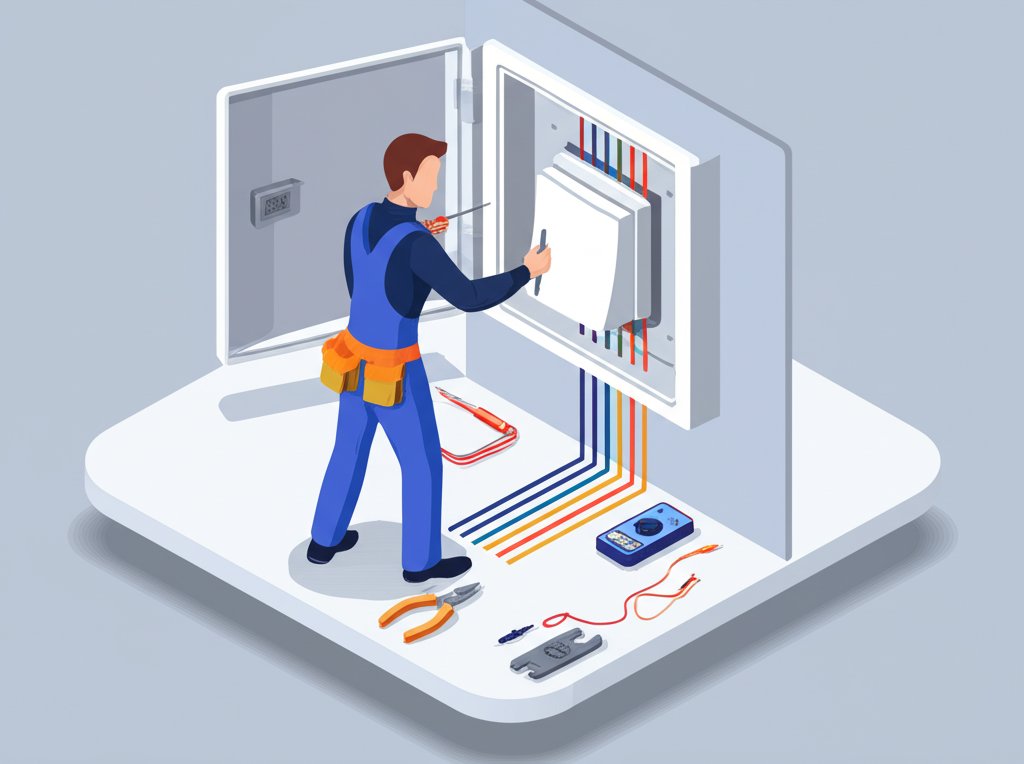
Your Guide to Finding the Best Electrician in Harrison for Safe and Reliable Home Electrical Work
Imagine the peace of mind knowing your home’s electrical system is not just working, but working safely and efficiently. In Harrison, NJ, finding an electrician who inspires that kind of confidence isn't just about fixing a flickering light; it's about safeguarding your family, your property, and your investments. From intricate wiring challenges to essential safety upgrades, the right professional makes all the difference. This comprehensive guide will walk you through everything you need to know to identify the best electrician in Harrison, ensuring your home's power flows smoothly and securely.
At a Glance: Key Takeaways for Hiring an Electrician in Harrison
- Safety First: Electrical work is inherently dangerous; never attempt complex jobs yourself.
- Verify Credentials: Always choose licensed and insured electricians.
- Check Reviews: Local reputation matters—look at platforms like Yelp or Angi.
- Get Multiple Quotes: Compare services, timelines, and costs from at least three different pros.
- Understand Your Needs: Know whether you need emergency repair, an upgrade, or an inspection.
- Don't DIY Commercial: For businesses, licensed professionals are legally required for compliance.
- Beware of Red Flags: Avoid pros who demand full upfront payment or pressure quick decisions.
Why Your Home Deserves a Top-Tier Electrician
Electrical systems are the unsung heroes of modern living, powering everything from your morning coffee to your evening entertainment. But with great power comes great responsibility—and significant risk if not handled correctly. Faulty wiring, outdated panels, or improper installations aren't just inconveniences; they’re potential fire hazards and sources of dangerous electrical shocks.
This isn't a task for a YouTube tutorial or a well-meaning amateur. When it comes to your home's electricity, precision, expertise, and adherence to strict safety codes are paramount. A certified, experienced electrician in Harrison understands these nuances. They don't just fix problems; they diagnose root causes, anticipate future issues, and ensure every wire, switch, and outlet meets the highest standards for safety and longevity. Investing in quality electrical work is investing in your home’s future and your family’s well-being.
When to Call in the Pros: Identifying Your Electrical Needs
While replacing a lightbulb is perfectly fine for a DIY enthusiast, many electrical tasks demand professional attention. Knowing when to pick up the phone can save you headaches, hazards, and costly repairs down the line.
You absolutely need a licensed electrician if you're dealing with:
- Flickering Lights or Frequent Breaker Trips: These are often signs of an overloaded circuit or a deeper wiring issue that needs immediate investigation.
- Burning Smells or Scorched Outlets: This indicates overheating and a serious fire risk. Turn off power immediately and call an emergency electrician.
- New Appliance Installations: High-demand appliances often require dedicated circuits or panel upgrades to operate safely.
- Home Renovations: Any structural changes often necessitate moving or adding electrical components, which must comply with local codes.
- Outdated Wiring (e.g., Aluminum Wiring): As Angi experts highlight, if your home has aluminum wiring, you may be required to disclose this during a sale, and updating it often benefits the sale and significantly improves safety. Older homes, especially those built before the 1980s, might still have aluminum wiring, which can corrode and become a fire hazard.
- Panel Upgrades: Older electrical panels may not handle modern power demands, leading to inefficiencies or safety concerns.
- Generator Installation or Transfer Switches: Installing a backup generator and its associated transfer switch is a complex task. Angi experts recommend keeping 60 to 70 feet between the generator and the transfer switch to reduce noise, increase efficiency by preventing voltage drop, and, crucially, prevent carbon monoxide poisoning (keep at least 15 feet between your generator and an open window).
- Adding New Outlets or Switches: Whether for convenience or a home renovation project (like mounting a TV), installing new coaxial outlets or standard power outlets should be done by a professional. As Angi notes, most new homes have coax outlets in every room, and you might need anywhere from one to five based on your needs. Adding new outlets avoids splitters or long cables that can slow down speeds.
- Smart Home Integrations: While some smart devices are plug-and-play, integrating smart panels, specialized lighting, or whole-home automation often requires professional wiring and setup.
- Routine Electrical Inspections: Especially for older homes or before buying/selling, an inspection can uncover hidden dangers or code violations.
What About Commercial Settings?
For businesses in Harrison, the line is even clearer: DIY is not recommended for commercial settings due to stringent safety regulations. Always hire licensed professionals to ensure compliance and avoid costly penalties or hazardous situations.
The Hallmarks of the Best Electrician in Harrison: What to Look For
Choosing the right electrician isn't a shot in the dark. It involves diligent research and asking the right questions. Here’s a checklist of qualities that define the best in the business:
1. Licensing and Insurance: Non-Negotiables
- Licensing: Every legitimate electrician in New Jersey must be licensed by the state. This license confirms they have met specific education, experience, and examination requirements. A licensed professional is held accountable for their work and adheres to the National Electrical Code (NEC) and local Harrison building codes. Always ask for their license number and verify it with the New Jersey Division of Consumer Affairs.
- Insurance: A reputable electrician carries both liability insurance and worker's compensation insurance. Liability insurance protects you financially if the electrician accidentally damages your property during their work. Worker’s compensation covers their employees in case of an on-the-job injury, preventing you from being held liable. Never let an uninsured electrician work in your home.
2. Experience and Specialization: Matching Skills to Your Needs
Different electrical jobs require different expertise. While a general electrician can handle most common tasks, some projects might benefit from a specialist.
- Breadth of Experience: Look for an electrician with a proven track record across a variety of residential projects. This indicates versatility and problem-solving skills.
- Specific Expertise: If you're planning a major renovation, installing a smart home system, or dealing with an older home with specific challenges (like knob-and-tube wiring), ask if they have specific experience in those areas.
- Years in Business: While not the only factor, a company that has served the Harrison community for several years often signals stability, reliability, and a commitment to customer satisfaction.
3. Reputation and Reviews: What Others Are Saying
Word-of-mouth and online reviews are invaluable. They offer insights into a company's professionalism, quality of work, and customer service.
- Online Platforms: Check out platforms like Yelp, Angi, Google Reviews, and the Better Business Bureau. Pay attention to both the overall star rating and the content of the reviews. Look for recurring themes regarding timeliness, communication, and the quality of the repair.
- Local References: Don't hesitate to ask the electrician for local references. Speaking directly with past clients can provide a deeper understanding of their experience.
- Community Presence: A strong local presence suggests they are invested in the Harrison community and value their reputation.
4. Communication and Transparency: Clarity from Start to Finish
The best electricians are excellent communicators. They explain the problem, the proposed solution, and the costs in clear, understandable language, avoiding industry jargon.
- Clear Explanations: They should be able to articulate what needs to be done and why, ensuring you understand the scope of work.
- Written Estimates: Always insist on a detailed, written estimate before any work begins. This document should outline the cost of parts, labor, and any potential contingencies. Avoid electricians who provide vague quotes or pressure you to start work without a clear understanding of the costs.
- Timelines and Expectations: A good electrician will provide realistic timelines for project completion and communicate any delays promptly.
5. Safety Protocols: Beyond the Obvious
Safety isn't just about finishing the job without incident; it's about following rigorous protocols to prevent future problems.
- Code Compliance: They should be intimately familiar with the National Electrical Code (NEC) and all local Harrison building codes.
- Proper Tools and Equipment: A professional will use appropriate, well-maintained tools for every job.
- Cleanliness and Respect: They should leave your home as clean as they found it, cleaning up any debris or dust.
Common Electrical Projects in Harrison & What to Expect
Understanding typical electrical jobs can help you communicate your needs more effectively and assess the professionalism of your chosen electrician.
Outlet Upgrades and Replacements
Why it matters: Over time, outlets wear out, become loose, or even damaged, leading to sparks, flickering lights, or even electrical fires, as noted by Angi experts. Old, two-prong outlets aren't grounded, which can be dangerous for modern electronics.
What to expect: An electrician can replace old or non-functional outlets with modern, grounded (three-prong) outlets, GFCI (Ground Fault Circuit Interrupter) outlets for wet areas (kitchens, bathrooms, outdoors), or AFCI (Arc Fault Circuit Interrupter) outlets for bedrooms and living spaces to prevent arc faults. This is often a quick, cost-effective upgrade that significantly enhances safety.
Addressing Aluminum Wiring
Why it matters: Homes built between the mid-1960s and mid-1970s may have aluminum branch circuit wiring, which is known to be less safe than copper wiring. It corrodes more easily, expands and contracts more than copper, and can lead to loose connections and fire hazards.
What to expect: As Angi suggests, selling a house with aluminum wiring usually requires disclosure, and some areas might even ban sales without updates. An electrician might recommend "pig-tailing" (splicing copper wires onto the aluminum ones at connection points), using special CO/ALR connectors, or, ideally, completely rewiring with copper. The latter is a more extensive project but offers the highest level of safety.
Generator Installation and Transfer Switches
Why it matters: With occasional power outages, a reliable backup generator can be a lifesaver. However, improper installation of a generator and its transfer switch can be incredibly dangerous, leading to backfeeding the grid (harming utility workers) or carbon monoxide poisoning.
What to expect: A qualified electrician will help you size the right generator for your home, install a dedicated outdoor pad, and most importantly, install an automatic or manual transfer switch. This switch safely isolates your home from the utility grid when the generator is running, preventing backfeeding. They'll also advise on optimal placement, adhering to the 60-70 foot separation from the transfer switch and at least 15 feet from any open windows to mitigate noise, ensure efficiency, and prevent CO hazards.
Installing New Coaxial Outlets for Modern Connectivity
Why it matters: In today's digital age, reliable internet and cable access are essential. While most new homes have coax outlets in every room, older Harrison properties might be lacking. Adding new outlets avoids unsightly long cables, signal degradation from splitters, and helps ensure a clean, efficient setup for mounted TVs or dedicated internet connections.
What to expect: An electrician can run new coaxial cables through walls and ceilings, installing professional-grade outlets exactly where you need them. This is particularly useful during home renovations, allowing you to seamlessly integrate entertainment systems or home offices.
Electrical Panel Upgrades
Why it matters: Your electrical panel is the heart of your home's power system. Older panels might be undersized for modern electricity demands, use outdated fuse boxes, or be showing signs of wear. An inadequate panel can lead to tripped breakers, flickering lights, or even a fire.
What to expect: An electrician will assess your current panel and power needs. An upgrade typically involves replacing the old panel with a new, higher-amperage model that can safely handle your home's electrical load. This ensures your system is up to code, can support new appliances, and provides capacity for future additions.
Troubleshooting and Repairs
Why it matters: When something goes wrong – a circuit constantly trips, an outlet stops working, or you smell something burning – immediate and accurate troubleshooting is crucial.
What to expect: A skilled electrician uses diagnostic tools to pinpoint the exact source of the problem, whether it's a faulty wire, a worn-out component, or an overloaded circuit. They'll then repair the issue, ensuring the fix is permanent and safe.
Asking the Right Questions Before You Hire
Before committing to any electrician, arm yourself with these questions:
- Are you licensed and insured in New Jersey? Can I see proof? (Always verify!)
- How long have you been in business, and how much experience do you have with residential projects specifically?
- Do you provide free, written estimates? What does it include (labor, parts, permit fees)?
- What is your hourly rate, and what are your payment terms? Do you require an upfront deposit? (Be wary of anyone asking for full payment upfront.)
- What is your availability for this job, and what is your estimated timeline for completion?
- Do you offer a warranty or guarantee on your work? For how long?
- Who will be performing the work? Are they employees or subcontractors?
- What is your process for handling unexpected issues or additional work that arises?
- Can you provide references from recent Harrison clients?
- Are you familiar with local Harrison electrical codes and permit requirements?
Red Flags to Watch Out For
Steer clear of any electrician who exhibits these warning signs:
- No License or Insurance: This is an immediate deal-breaker.
- Vague or Verbal-Only Estimates: Get everything in writing.
- Demanding Full Upfront Payment: A reasonable deposit is acceptable, but full payment before work begins is a major red flag.
- Pressuring for Immediate Decisions: Reputable professionals give you time to consider their proposal.
- Unsolicited Door-to-Door Offers: Be cautious of anyone showing up unannounced offering deals that seem too good to be true.
- Lack of References or Online Presence: A good business should have a traceable history.
- Refusing to Pull Permits: For significant electrical work, permits are often required to ensure code compliance and safety inspections. If an electrician balks at pulling one, find someone else.
Maintaining Your Home's Electrical System
Once you've found a reliable electrician, consider them a partner in maintaining your home's safety. Regular maintenance can prevent major problems down the road.
- Annual Check-ups: An annual electrical inspection, especially for older homes, can catch potential issues before they become emergencies.
- Be Mindful of Overloading: Avoid plugging too many devices into a single outlet or extension cord.
- Test GFCI Outlets: Regularly press the "test" button on your GFCI outlets to ensure they are functioning correctly.
- Report Issues Promptly: Don't ignore flickering lights, strange smells, or recurring breaker trips. Call your electrician right away.
- Keep Up-to-Date: As Angi experts point out, replacing and updating outlets is a great idea, especially if they stop working. New outlets work well with modern appliances and devices, and old, worn, or damaged outlets can cause serious problems.
Taking the Next Step: Finding Your Best Electrician in Harrison
Finding the best electrician in Harrison doesn't have to be a daunting task. Start by compiling a list of licensed professionals (online directories like Yelp and Angi are great starting points). Cross-reference their licenses and insurance. Read their reviews thoroughly, looking for patterns of reliability and customer satisfaction.
Then, reach out to 2-3 top candidates for consultations and written estimates. Ask all the questions outlined above, pay attention to their communication style, and trust your gut feeling. A truly great electrician won't just offer a service; they'll offer peace of mind, knowing your home's electrical heart is in expert hands. Choose wisely, and enjoy the safety and convenience of a perfectly powered home.