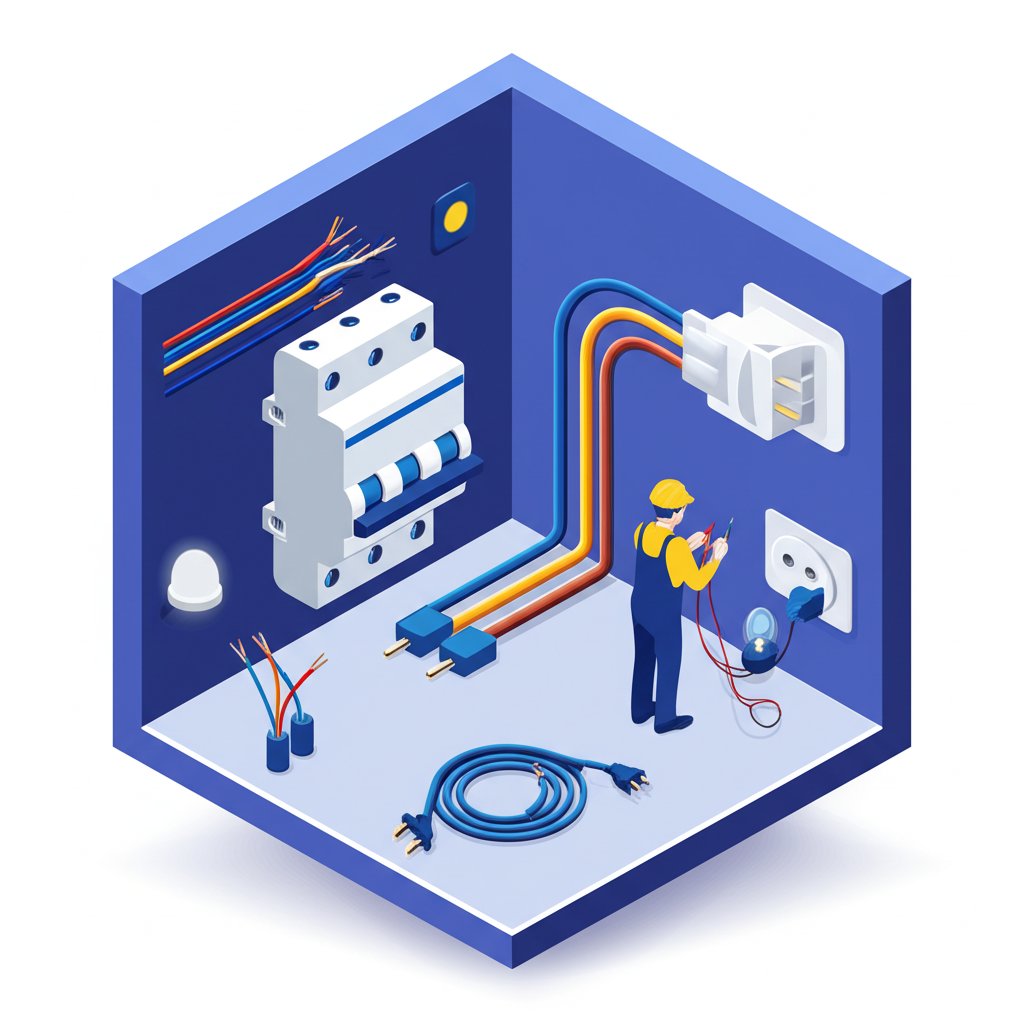
Electrical issues are rarely just an inconvenience; they're often a flashing red light signaling potential danger to your Dix Hills home and family. From flickering lights to a mysterious burning smell, these aren't just quirks to ignore – they're calls to action. Finding the Best Electrician in Dix Hills isn't about luxury; it's about securing peace of mind and ensuring the safety of your most important asset.
This isn't your average service directory. As a seasoned journalist with a focus on home safety, I've delved deep into what makes an electrician truly exceptional, especially when it comes to the unique needs of Dix Hills homeowners. We'll explore the critical signs that demand immediate attention, decode the complexities of electrical systems, and equip you with the knowledge to make an informed choice for your home’s electrical health.
At a Glance: What You'll Learn About Dix Hills Electricians
- Urgent Signs: How to spot critical electrical issues like hot outlets, flickering lights, or burning smells that signal danger.
- Knob-and-Tube Wiring: Understanding this older system's safety and when it requires professional inspection (every 1-2 years).
- Common Outlet Problems: What causes dead outlets and how to differentiate between a simple fix and a professional repair.
- Cost Expectations: The average hourly rate for electricians in Dix Hills, and what factors influence the total cost of a job.
- Licensing & Permits: Why local regulations matter more than state laws in New York, and how to verify credentials.
- Energy Savings: How an electrician can help you reduce your average annual electricity bill (around $1,525 for a single-person household).
- Preventive Care: The importance of regular electrical system inspections (every 3-5 years) and simple safety habits.
- Avoiding Risks: Steps to prevent electrical fires and surges, including proper outlet usage and surge protector installation.
Your Home's Hidden Network: Why Electrical Safety Matters Most
Think of your home's electrical system as its circulatory system. Wires are the veins and arteries, outlets are the vital organs, and your electrical panel is the heart, pumping power to every corner. When this intricate network functions flawlessly, you rarely think about it. But when there's a blockage, a malfunction, or a hidden danger, the consequences can range from frustrating to catastrophic.
In Dix Hills, where homes vary from historic charmers to modern builds, the electrical infrastructure can be equally diverse. Understanding its nuances is the first step in protecting your property. Electrical issues aren't just about inconvenient power outages; they're about preventing potential hazards like fires, electrocution, and damage to expensive appliances. It's a silent guardian that, if neglected, can turn into a silent threat.
When to Call an Electrician: Spotting the Warning Signs Early
Many homeowners fall into the trap of ignoring subtle electrical quirks until they escalate into major problems. Don't be one of them. Knowing what to look for can save you headaches, significant repair costs, and even your home.
Flickering Lights and Hot Outlets: Beyond Annoyance
Are your lights doing a strange dance, dimming and brightening without reason? Do you ever touch an outlet cover and find it surprisingly warm, or even hot? These aren't just minor irritations; they're distress signals from your electrical system.
A hot outlet, for instance, can indicate wiring problems, an overloaded circuit, or a faulty receptacle that's struggling to handle the current. Similarly, persistent flickering lights might point to loose wiring, a failing circuit breaker, or an overburdened system struggling to meet demand. If you ever notice sparks when plugging or unplugging an appliance, smell something burning (even faintly), or hear buzzing sounds coming from outlets or switches, immediately shut off the power to that area at your main breaker panel and call for emergency electrical services. Electrical fires can occur even if nothing is plugged into an outlet, often due to damaged wiring or faulty components hidden within the walls. Swift action is crucial.
Outlets Gone Quiet: Troubleshooting Common Issues
Picture this: you plug in your phone charger, and... nothing. The outlet is dead. The causes for a non-functional outlet are varied, ranging from simple fixes to complex wiring problems requiring professional intervention.
Sometimes, the issue is with the appliance itself, so try plugging it into another working outlet to rule that out. If it's not the appliance, check your circuit breaker. A tripped breaker is a common culprit for dead outlets, especially if it’s on an overloaded circuit. Simply reset the breaker, and if it trips again, you have a deeper issue. Other common reasons for dead outlets include the age of the outlet itself, loose wires within the receptacle or wall, or a fault with the outlet's ground-fault circuit interrupter (GFCI) protection. While a quick breaker reset is a DIY possibility, any recurring problems or suspected wiring issues warrant a call to a licensed electrician. They can accurately diagnose the root cause and ensure the repair adheres to the latest electrical codes for safety.
The Case of Knob-and-Tube Wiring: A Historical Dilemma
Many older Dix Hills homes might still feature knob-and-tube (K&T) wiring, a system common from the 1880s to the 1940s. Its distinctive ceramic knobs and tubes were once cutting-edge technology. Today, it raises questions for new homeowners. Can it be safe?
The good news is that K&T wiring can be safe, provided it's functional, in good condition, and hasn't been improperly altered. A qualified inspector needs to deem it safe. Crucially, the system should be rated for at least 60 amps. However, K&T wiring often struggles to support the demands of modern appliances and electronics, which draw significantly more power than homes did a century ago. Over time, insulation can degrade, and its lack of a ground wire can be a safety concern for today's electronics. It’s highly recommended to have your K&T wiring inspected by a licensed electrician every one to two years to ensure its continued integrity and safety. If you're considering major renovations or notice any issues, an upgrade to modern home wiring is often the safest and most practical path forward.
Beyond Repairs: Upgrading for Efficiency and Future-Proofing
An electrician's role extends far beyond merely fixing what's broken. They are also your partners in making your Dix Hills home safer, more efficient, and ready for tomorrow's technology.
Lowering Your Bills: Smart Electrical Upgrades
The average single-person household in Dix Hills spends approximately $1,525 per year on electricity. That's a significant chunk of your budget that, with the right upgrades, could be substantially reduced. An electrician can be instrumental in identifying opportunities to make your home more energy-efficient.
This could involve upgrading outdated wiring that might be inefficient, installing energy-saving lighting solutions like LEDs, or even advising on the optimal placement and connection of energy-conscious appliances. Installing a whole-home surge protector, for instance, not only protects your valuable electronics but can also contribute to a more stable electrical system. While technologies like smart glass (which adds only about $1-2 per year to electricity bills while saving much more energy) or smart tint (which requires no electricity) are innovative ways to manage energy, an electrician focuses on the foundational electrical system. They can assess your current setup and recommend energy-efficient electrical upgrades that align with your budget and lifestyle, helping you reclaim some of that annual expenditure.
Protecting Your Investment: Surge Protection and Panel Upgrades
Your home is a significant investment, and protecting it means safeguarding its essential systems. Electrical surges, whether from lightning strikes, power outages, or even the cycling of large appliances, can damage delicate electronics and even pose fire risks.
Installing whole-home surge protectors is a proactive measure that diverts excess voltage away from your sensitive devices, acting as a critical buffer. Beyond this, your electrical panel is the central nervous system of your home's power. It distributes electricity and houses the circuit breakers that prevent overloads. Over time, panels can age, become overloaded, or simply not be equipped to handle the demands of a modern household. Signs you might need an upgrade include frequently tripping breakers, flickering lights, or relying heavily on extension cords. It's recommended that electrical systems and panels be inspected by a professional every three to five years to ensure they are functioning optimally and safely. This regular check-up can identify potential issues before they become costly emergencies and allow you to proactively address electrical panel upgrade costs if an upgrade is necessary.
Navigating the Search: How to Choose the Best Electrician in Dix Hills
Finding an electrician isn't like picking a restaurant. You need a trusted professional who puts safety first. Here’s what Dix Hills homeowners need to consider.
Licensing & Permits: What Dix Hills Residents Need to Know
This is perhaps the most critical factor. In New York, electrician licensing isn't regulated at the state level; instead, it's handled by counties and cities. This means the specific requirements for an electrician to operate legally can vary even within close proximity. For Dix Hills residents, this means you need to contact your local government – specifically, the Town of Huntington's building department – to understand the exact licensing requirements for electricians working in your area.
Always ask to see an electrician's current license and verify it with the issuing authority. A legitimate electrician will be transparent and proud of their credentials. Similarly, the need for permits for electrical work also depends on local municipal regulations. Most significant electrical jobs, like panel upgrades, new circuit installations, or extensive rewiring, will require a permit. This isn't just bureaucracy; permits ensure that the work is inspected and meets safety codes, protecting you as the homeowner. A reputable electrician will know when a permit is required and will handle the application process for you. Don't let anyone convince you to skip this vital step; it's a non-negotiable part of safe and compliant electrical work. Understanding electrical permits is essential for your protection.
Understanding Costs: What to Expect from Dix Hills Electricians
Transparency in pricing is a hallmark of a trustworthy professional. The average hourly rate for an electrician in Dix Hills, NY, typically ranges between $36 and $54. However, this is just a starting point. The total cost of any electrical job will factor in several elements:
- Time: The complexity and duration of the work will directly impact labor costs.
- Materials: New wiring, outlets, breakers, panels, or specialized equipment all add to the total.
- Scope of Work: Simple repairs (like fixing a single dead outlet) will be less expensive than major upgrades (like a complete home rewiring).
- Emergency vs. Scheduled: Emergency calls, especially outside of regular business hours, often come with a premium rate.
When contacting electricians, always ask for a detailed estimate that breaks down labor and material costs. Be wary of quotes that seem too low, as they might indicate corner-cutting or hidden fees later on. A good electrician will be able to explain the scope of work clearly and provide an accurate, itemized quote. Don't hesitate to get multiple quotes to compare, but remember that the lowest price isn't always the best value when it comes to the safety of your home. Focus on finding a qualified, experienced, and fairly priced professional. To assist you in this crucial decision, consider our guide on choosing a licensed electrician.
Beyond the Quote: Red Flags and Green Lights
Once you've confirmed licensing and have a clear understanding of costs, it's time to evaluate the human element. Choosing an electrician is also about trusting someone with access to your home and your family's safety.
Green Lights (Trust Signals):
- Positive Reviews and Referrals: Check online reviews (Google, Yelp, local community forums) and ask friends or neighbors in Dix Hills for recommendations.
- Clear Communication: They should answer your questions thoroughly, explain the problem and solution in layman's terms, and keep you updated throughout the process.
- Professionalism: They arrive on time, in a marked vehicle, wearing a uniform, and respect your property.
- Insurance: Ask to see proof of liability insurance and worker's compensation. This protects you if there's an accident on your property.
- Warranty: Reputable electricians stand behind their work and offer warranties on parts and labor.
Red Flags (Warning Signs): - No License or Insurance: This is a deal-breaker. Never hire an unlicensed or uninsured electrician.
- Cash-Only Demands: While some may offer a small discount for cash, demanding cash only is often a sign of an unregistered or untraceable business.
- Unsolicited Door-to-Door Offers: Be wary of contractors who show up unannounced and offer inspections or repairs.
- Vague Quotes: If they can't provide a detailed, itemized estimate, it's a sign of potential trouble.
- High-Pressure Tactics: Anyone pushing for immediate decisions or trying to scare you into unnecessary work should be avoided.
Your comfort level with the electrician and their team is paramount. You're hiring an expert to ensure your home’s safety, so don't compromise on trust or professionalism.
Preventive Maintenance: Keeping Your Electrical System Healthy
Just like your car or your own health, your home's electrical system benefits immensely from regular check-ups. Prevention is always better (and often cheaper) than emergency repairs.
Regular Check-ups: A Small Investment for Big Peace of Mind
Think of a routine electrical inspection as a health check-up for your home. As noted earlier, having your electrical system and main panel inspected every three to five years is a highly recommended practice. During these inspections, a licensed electrician will:
- Examine Wiring: Check for frayed wires, loose connections, or signs of overheating.
- Inspect the Panel: Ensure breakers are functioning correctly and that the panel itself is in good condition, free from rust or damage.
- Test Outlets and Switches: Verify proper operation and look for any faulty components.
- Assess Grounding: Ensure your system is adequately grounded to prevent shocks.
- Check for Code Compliance: Confirm your electrical system meets current safety standards.
These proactive checks can uncover potential problems before they become critical, giving you the opportunity to address them on your schedule and budget. It’s an investment that pays off in enhanced safety, reduced risk of expensive repairs, and increased energy efficiency. A comprehensive electrical inspection checklist can guide you on what to expect during these crucial visits.
Simple Habits to Prevent Electrical Problems
While professional inspections are essential, you can also play a significant role in maintaining your home's electrical health through simple, everyday habits. Adopting these practices can prevent common issues and safeguard your family:
- Avoid Overloading Outlets: Never plug too many devices into a single outlet using multi-plug adapters. If you need more outlets in an area, have an electrician install new ones. Overloaded outlets are a primary cause of tripped breakers and electrical fires.
- Use Proper Plugs: Never force a three-prong plug into a two-prong outlet. This bypasses the critical grounding safety feature and increases the risk of shock or fire. Use appropriate adapters only when necessary and consider upgrading your outlets to modern, grounded versions.
- Inspect Cords Regularly: Check power cords for damage (fraying, cracks, exposed wires). Replace damaged cords immediately. Avoid running cords under carpets or rugs, where they can overheat or become damaged unnoticed.
- Install GFCI Outlets in Wet Areas: Ensure outlets in bathrooms, kitchens, laundry rooms, and outdoors are equipped with Ground Fault Circuit Interrupters (GFCIs). These devices detect imbalances in current and quickly shut off power, preventing severe shocks.
- Keep Flammables Away: Never store flammable materials near electrical panels, outlets, or appliances that generate heat.
- Teach Kids Electrical Safety: Educate children about the dangers of electricity, never touching outlets, and avoiding damaged cords.
By integrating these essential electrical safety tips into your daily routine, you create a safer environment and reduce the strain on your electrical system, extending its lifespan and efficiency.
Your Next Step: Securing the Best Electrician in Dix Hills
Your home’s electrical system is too important to leave to chance. From understanding the tell-tale signs of trouble to proactively upgrading for efficiency, empowering yourself with knowledge is the first line of defense. Now that you're equipped with insights into warning signs, cost expectations, and the critical importance of licensing and permits specific to Dix Hills, you're ready to make an informed decision.
Don't wait for a flickering light to turn into a blackout, or a warm outlet to become a fire hazard. Take the proactive step today. Begin by compiling a list of potential electricians, checking their licenses with the Town of Huntington's building department, and gathering detailed quotes. Prioritize experience, transparency, and a solid reputation over merely the lowest price. The peace of mind that comes from knowing your home’s electrical system is handled by a trusted, professional Best Electrician in Dix Hills is truly priceless.