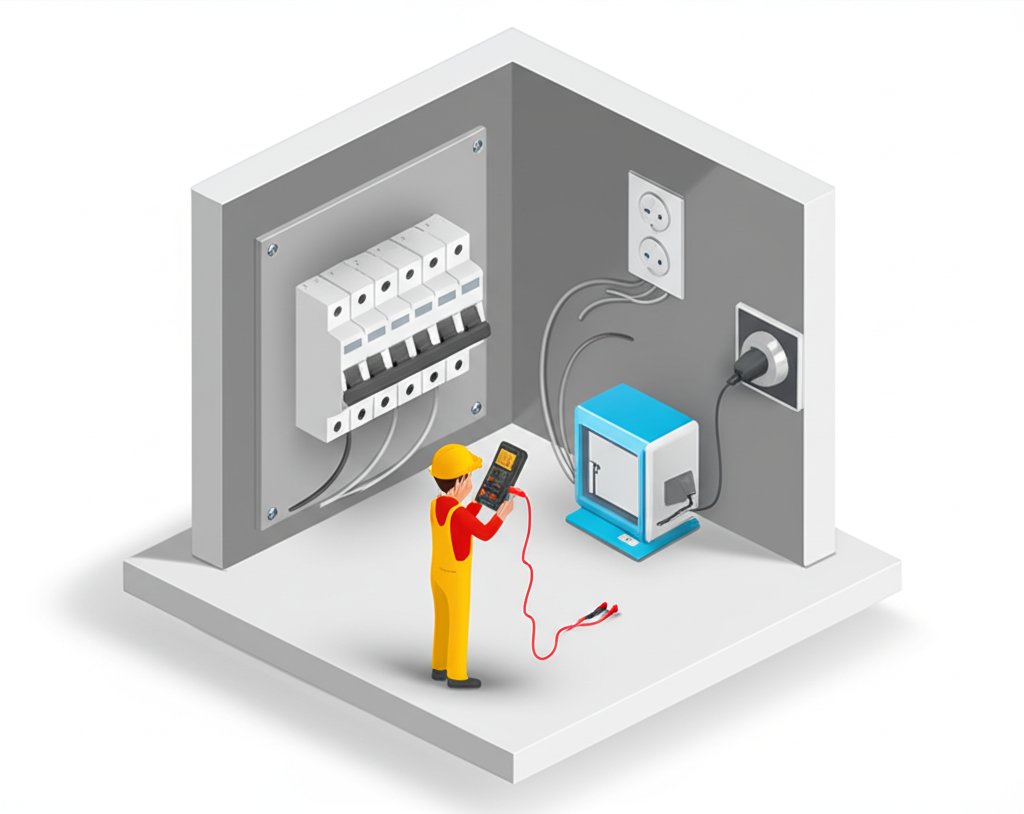
When a light flickers or an outlet mysteriously dies, your mind likely jumps to one thing: finding the best electrician in Chantilly. It's not just about getting the lights back on; it's about the safety and efficiency of your home's entire electrical nervous system. Choosing the right professional means entrusting someone with your most valuable asset, ensuring every wire, switch, and circuit is handled with expert care.
At a Glance: Your Quick Guide to Chantilly Electricians
- Licensing is Non-Negotiable: Virginia mandates licenses for electricians. Always verify.
- Costs Vary: Expect to pay $44-$66 per hour for services, with specific jobs like grounding an outlet ranging from $75-$480.
- Beyond Repairs: Electricians offer installations, upgrades, and critical safety enhancements like surge protection.
- Regular Check-ups: Get a whole-house electrical inspection every 3-5 years.
- Safety First: Learn the signs of electrical trouble (flickering lights, warm switches) and know when to call a pro immediately.
- Energy Savings: A good electrician can help lower your utility bills through efficiency upgrades.
Why You Can't Skimp on Electrical Expertise
Your home's electrical system isn't just a collection of wires; it's a complex network that delivers the power you rely on daily. From charging your phone to heating your water, electricity plays a central role. But when things go wrong, the stakes are incredibly high. Improper wiring, outdated panels, or ignored warning signs can lead to anything from inconvenient power outages to dangerous electrical fires.
This is precisely why you need more than just a handyman—you need a skilled, licensed electrician. They bring specialized knowledge, tools, and an understanding of local codes to every job, ensuring everything is up to snuff. Think of them as the doctors for your home's electrical heart. Understanding [peran teknisi listrik untuk rumah Anda] goes a long way in appreciating the value they bring.
The Non-Negotiable: Licensing and Credentials
Before anyone lays a hand on your electrical system, their credentials must be impeccable. In Virginia, electricians are required to be licensed. This isn't just a formality; it signifies that they have met specific educational, experience, and examination requirements set by the state. A licensed electrician is accountable for their work, ensuring they adhere to safety standards and building codes.
Always ask for proof of licensure and check their standing with the Virginia Department of Professional and Occupational Regulation (DPOR). This due diligence protects you from shoddy work and potential liabilities. It's often underestimated, but grasping [pentingnya lisensi teknisi listrik] is the first step in protecting your home and family.
Beyond licensure, consider:
- Insurance: They should carry liability insurance to cover any damages that might occur during the job.
- Bonding: Some electricians are bonded, providing an extra layer of financial protection for consumers.
- Certifications: Look for certifications like OSHA safety training or specialized skills in areas like smart home integration.
What Services Do Electricians in Chantilly Offer?
Electricians are versatile professionals, capable of handling a wide array of tasks for your home. Their services generally fall into a few key categories:
1. Essential Repairs and Troubleshooting
These are the calls often made in an emergency:
- Inspections and Diagnostics: If you're experiencing intermittent power, frequent breaker trips, or outlets not working, an electrician can pinpoint the exact problem.
- Outlet and Switch Repair: Fixing or replacing faulty outlets, dimmer switches, or wall switches.
- Wiring Repairs: Addressing frayed, damaged, or improperly installed wiring, which can be a significant fire hazard.
- Lighting Fixes: Repairing non-functional light fixtures, recessed lighting, or ceiling fans.
2. New System Installations
Building an addition, renovating, or just adding a new appliance? An electrician ensures it's powered correctly:
- Appliance Circuits: Installing dedicated circuits for large appliances like ovens, washing machines, or HVAC units.
- Lighting Installation: Adding new indoor lighting, security lighting, landscape lighting, or under-cabinet lights.
- EV Charger Installation: Setting up charging stations for electric vehicles.
- Smart Home Devices: Integrating smart thermostats, smart switches, and other home automation systems.
3. Critical Electrical Upgrades
Older homes often have outdated electrical systems that simply can't handle modern power demands. Upgrades are crucial for safety and efficiency:
- Panel Upgrades: Replacing old, undersized, or hazardous electrical panels (e.g., upgrading from 100-amp to 200-amp service, which is often necessary when adding significant new loads). For older homes, understanding [memahami kapasitas panel listrik rumah] is key to preventing overloads.
- Rewiring: Replacing old, ungrounded, or knob-and-tube wiring with modern, safer alternatives.
- Outlet and Switch Upgrades: Updating old two-prong outlets to grounded three-prong ones, or installing GFCI/AFCI outlets where needed.
- Electrical Code Compliance: Bringing older homes up to current electrical codes.
4. Safety and Efficiency Enhancements
Proactive measures that protect your home and wallet:
- Whole-House Surge Protection: Installing devices that protect all your electronic appliances from power surges, which can be surprisingly common and destructive.
- GFCI and AFCI Outlet Installation: Installing Ground Fault Circuit Interrupter (GFCI) outlets in wet areas (kitchens, bathrooms, outdoors) to prevent electrocution, and Arc Fault Circuit Interrupter (AFCI) breakers in living areas to prevent electrical fires. Knowing [pentingnya grounding dan stopkontak GFCI] is crucial for home safety.
- Energy Audits & Efficiency Improvements: Identifying areas where your home is losing energy and recommending upgrades like LED lighting conversions or smart controls to reduce your electricity bills. An electrician can significantly help with [cara menghemat tagihan listrik di rumah].
Understanding the Cost of Electrical Services in Chantilly
One of the first questions homeowners ask is, "How much will this cost?" While specific project quotes will vary, understanding the general pricing structure for electrical services in Chantilly, VA, can help you budget.
According to recent data, the hourly rate for electrical services in Chantilly typically ranges from $44 to $66 per hour. However, many specific jobs are quoted as flat fees due to their commonality and predictable nature. For example, grounding a single outlet can cost anywhere from $75 to $480, depending on the complexity and accessibility.
Here's a breakdown of factors influencing cost:
- Type of Job: Simple repairs (e.g., replacing a switch) are less expensive than complex installations (e.g., rewiring a room or installing a new electrical panel).
- Time & Labor: More extensive jobs naturally require more labor hours.
- Materials: The cost of wires, outlets, circuit breakers, and other components directly impacts the total.
- Permits: Major electrical work often requires permits from Fairfax County, adding to the overall cost. Your electrician should handle this.
- Emergency Service: After-hours or emergency calls typically come with a higher premium.
It's helpful to compare [harga layanan kelistrikan di Chantilly, VA] from a few different providers to ensure you're getting a fair rate. Always get a written estimate before work begins.
When to Call an Electrician: Signs Your Home Needs Help
Ignoring electrical warning signs is like ignoring a check engine light in your car—it often leads to bigger, more expensive problems down the road, and sometimes, immediate danger. Here are clear indicators that it's time to call a professional electrician:
- Frequent Breaker Trips: If a circuit breaker trips regularly, it's often a sign of an overloaded circuit or a short circuit. Don't just reset it repeatedly; investigate the cause.
- Flickering or Dimming Lights: Lights that constantly flicker, dim when an appliance turns on, or burn out quickly can indicate unstable voltage or loose wiring.
- Warm Switches or Outlets: Electrical components should never feel warm to the touch. Heat is a sign of resistance, often due to overloaded circuits or faulty wiring, posing a fire risk.
- Burning Smell: A burning odor, especially near outlets or your electrical panel, is a dire warning sign of overheating wires or components.
- Sparks or Arcs: Any sparks, flashes, or buzzing sounds coming from outlets or your electrical panel are immediate cause for concern. Turn off the power to that area immediately.
- Outlets Not Working: If outlets stop working, especially in a specific area, it could be a tripped GFCI, a loose wire, or a circuit issue.
- Discolored Outlets or Switches: Brown or black discoloration around an outlet or switch often indicates overheating.
- Increased Energy Bills: A sudden, unexplained spike in your electricity bill could signal an inefficient electrical system or a hidden electrical problem drawing excessive power.
- Old or Outdated Wiring: Homes built several decades ago might still have knob-and-tube wiring or aluminum wiring, which are not suitable for modern power demands and can be hazardous.
If you observe any of these symptoms, your immediate action should be to turn off the power to the affected area at your circuit breaker and then promptly contact an electrician. Understanding [kapan saatnya memanggil teknisi listrik] can literally save your home.
Keeping Your Home Powered Safely: Electrical Maintenance
Prevention is always better than cure, especially when it comes to electrical systems. Regular maintenance by a qualified electrician can prevent serious issues and extend the life of your system.
- Whole-House Electrical Inspections: It's recommended to have a professional electrician inspect your entire electrical system every 3–5 years. This allows them to identify potential hazards, wear and tear, and areas needing upgrades before they become critical problems.
- Electrical Panel Maintenance: Your main electrical panel is the heart of your home's system. Ensure it's not overloaded, keep it clear of obstructions, and periodically have an electrician check the connections and breakers. Overloaded circuits are a common cause of tripped breakers and potential fire hazards.
- Wiring Updates: As homes age, wiring can deteriorate or become inadequate for increased electrical loads. An electrician can advise when wiring updates are necessary.
- GFCI/AFCI Testing: Regularly test your GFCI outlets (usually monthly) by pressing the "Test" and then "Reset" buttons. This ensures they're functioning correctly to protect against shocks.
Enhancing Safety: Protecting Against Surges and Fire
Your electrician plays a vital role in implementing robust safety measures that guard against the most common electrical dangers.
Surge Protection
Power surges, whether from lightning strikes or fluctuations in the grid, can instantly fry expensive electronics.
- Whole-House Surge Protectors: These devices are installed directly into your electrical panel, providing comprehensive protection for all appliances and electronics connected to your home's system.
- Point-of-Use Surge Protectors: While not as comprehensive, individual surge protector strips offer localized protection for specific devices, especially when combined with a whole-house solution.
Fire Prevention
Electrical fires are a devastating risk that can largely be mitigated with proper installation and modern safety devices. For a deeper dive into preventing electrical hazards, consider reading about [bahaya listrik dan pencegahannya].
- AFCI Circuit Breakers: Arc Fault Circuit Interrupters (AFCIs) are designed to detect dangerous electrical arcs that can lead to fires. They trip the circuit before an arc can escalate, providing crucial protection in living areas.
- GFCI Outlets: Ground Fault Circuit Interrupters (GFCIs) protect against electric shock by monitoring the current flow. If an imbalance is detected (indicating current flowing through an unintended path, like a human body), the GFCI quickly cuts power. They are essential in areas near water sources like kitchens, bathrooms, laundry rooms, and outdoors.
- Note on GFCI Installation: GFCI outlets are not necessary on circuits where the circuit breaker itself already provides GFCI protection. However, if your circuit breaker is non-GFCI, installing GFCI outlets near water sources is paramount.
- Proper Outlet Use: Never overload an outlet with too many devices, and avoid using three-prong plugs in two-prong outlets without a proper adapter that connects to ground.
Smart Planning: Outlet Placement and System Capacity
Good electrical design isn't just about functionality; it's about anticipating needs and ensuring compliance.
- Outlet Placement Rules: General guidelines suggest an electrical outlet every 6 feet in large rooms, ensuring no wall space is left without easy access to power. Additionally, hallways longer than 10 feet should have at least one outlet. This prevents the unsafe use of extension cords.
- Service Capacity for Older Homes: Many older homes were built with 100-amp electrical service, which was sufficient for their time. However, with the proliferation of modern appliances, HVAC systems, and electronic devices, a 100-amp panel can quickly become overloaded. If you're planning significant additions or upgrades, you'll likely need to upgrade your service to 200-amp capacity. This is a common requirement for homes adding electric vehicle chargers, modern kitchens, or central air conditioning.
- Dedicated Circuits for High-Draw Appliances: Appliances that consume a lot of power, like electric ovens, electric dryers, central air conditioners, and even pellet stoves, require their own dedicated circuit. A pellet stove, for example, typically needs a 110V outlet and a dedicated circuit breaker to prevent overloading and fire hazards. This ensures the appliance has a consistent power supply without tripping breakers or straining other circuits.
Choosing Your Chantilly Electrician: A Step-by-Step Guide
Finding the "best" electrician isn't about picking the cheapest or the first one you call. It's about finding the right fit for your needs—someone trustworthy, competent, and reliable. Here's a practical framework:
- Ask for Recommendations: Start with friends, family, neighbors, or local community groups (online or offline) in Chantilly. Personal referrals often lead to reliable professionals.
- Verify Licensing and Insurance: As discussed, this is non-negotiable. Check with the Virginia DPOR and ask for proof of insurance.
- Read Online Reviews: Check Google, Yelp, Angie's List, and other local service directories. Look for consistent positive feedback about professionalism, punctuality, quality of work, and fair pricing. Pay attention to how they respond to negative reviews, too.
- Get Multiple Quotes: For any significant job, obtain at least three written estimates. This helps you compare pricing, proposed solutions, and timelines. Be wary of estimates that are significantly lower or higher than others. Don't be afraid to ask for [tips memilih jasa listrik profesional].
- Look for Experience and Specialization: Does the electrician have experience with the specific type of work you need (e.g., old home rewiring, smart home integration, EV charger installation)?
- Communication is Key: Choose an electrician who communicates clearly and promptly. Do they answer your questions thoroughly? Are they transparent about pricing and timelines?
- Check Warranties: Ask about warranties on their work and the parts they install. A reputable electrician stands behind their service.
- Understand the Process: A good electrician will explain the work they plan to do, why it's necessary, and what to expect during the project. They should also handle any necessary permits.
Your Next Step: Powering Forward with Confidence
Finding the best electrician in Chantilly isn't a task to take lightly. It's an investment in your home's safety, efficiency, and long-term value. By prioritizing licensing, clear communication, comprehensive services, and a thorough vetting process, you can confidently select a professional who will keep your home powered safely and reliably for years to come. Don't wait for a crisis to find your trusted electrical partner; be proactive and make an informed choice today.